The Unsettling Silence: What Roswell Encina’s DC Metro Encounter Reveals About Our Times
In a world striving for progress, moments of stark regression can be chillingly potent. One such moment, captured in a viral photograph and recounted with raw emotion, speaks volumes about the enduring challenges faced by marginalized communities. We’re delving into the terrifying DC Metro encounter of Roswell Encina, a gay Filipino American civic leader, who found himself surrounded by masked white nationalists on a Fourth of July weekend. His experience, one of profound fear and isolation, serves as a poignant reminder that while many celebrate freedom, others are still fighting for the basic right to feel safe in their own communities.
This incident transcends a single frightening train ride; it’s a window into the intersection of identity, vulnerability, and the persistent specter of hate. As a community, particularly within the LGBTQ+ sphere, we understand all too well the subtle and overt ways in which fear can infiltrate our lives, shaping our interactions, our choices, and even our digital footprints. Let’s unpack the layers of this story, exploring its broader implications for safety, solidarity, and the ongoing quest for true equality.
A Chilling Commute: Roswell Encina’s Ordeal
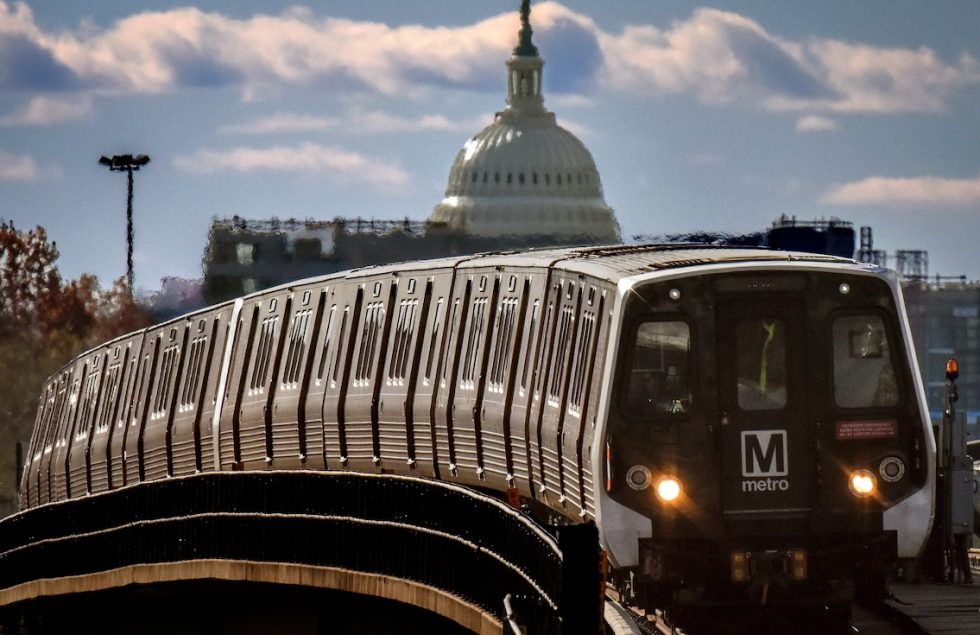
Imagine the scene: it’s the Fourth of July weekend, a time typically associated with barbecues, fireworks, and the celebration of American independence. Roswell Encina, the president and CEO of the US Capitol Historical Society, was simply making his way to a holiday party in Maryland. What should have been a routine commute quickly transformed into a nightmare. As his Washington DC Metro train pulled into a station, it filled not with typical commuters, but with a large group of masked individuals, later identified as white nationalists.
Encina, a gay Filipino American, found himself alone, surrounded by men whose very presence and regalia communicated a message of intimidation and hate. He recounted feeling “terrified,” an emotion that resonates deeply with anyone who has ever felt targeted or vulnerable due to their identity. In that moment, the public space of a Metro train became a private crucible of fear, highlighting the stark reality that safety is not a given for everyone, everywhere.
The viral photograph, a stark tableau of a lone man amidst a sea of masked faces, quickly became a symbol. It wasn’t just a picture of an incident; it was a snapshot of an ongoing ideological battle, playing out in the mundane spaces of daily life. For many in the LGBTQ+ community, especially those who are also people of color, this image was instantly recognizable. It echoed countless personal experiences of feeling ‘othered,’ of navigating spaces where one’s identity makes them a potential target. It underscored the insidious power of visual intimidation, where silence and numbers can speak louder than any overt threat.
The Intersections of Identity and Vulnerability
Roswell Encina’s experience is particularly potent because of his intersecting identities: he is a gay man, and he is Filipino American. White nationalism, by its very definition, targets anyone who falls outside its narrow, exclusionary vision of America – which inherently includes racial minorities and the LGBTQ+ community. For Encina, this means he was vulnerable on multiple fronts.
- Racial Identity: As a Filipino American, he is a person of color, directly at odds with white supremacist ideologies. His ethnicity alone could make him a target for verbal or physical harassment from such groups.
- Sexual Orientation: As a gay man, he belongs to a community often demonized and attacked by conservative, fundamentalist, and white nationalist groups who view LGBTQ+ identities as ‘unnatural’ or ‘degenerate.’
This intersectionality meant Encina was facing not just general hostility, but a multi-layered threat aimed at the very core of who he is. It’s a chilling reminder that hate is rarely singular; it often casts a wide net, ensnaring individuals based on a multitude of perceived differences. For many LGBTQ+ people of color, this is not just an abstract concept but a lived reality, necessitating a constant vigilance and an acute awareness of one’s surroundings. The public transit system, a space meant for universal access, was thus transformed into a hostile environment, stripping away his sense of belonging and safety.
The Broader Context: White Nationalism in Public Spaces
This incident is not an isolated anomaly but a symptom of a larger, concerning trend: the increased visibility and emboldenment of white nationalist and extremist groups. While these groups have always existed, there has been a noticeable shift in their willingness to display their affiliations openly in public spaces, moving from the fringes to more mainstream visibility. This public display serves several purposes for them:
- Intimidation: Their presence is meant to strike fear into those they deem ‘outsiders’ or enemies.
- Recruitment: It’s a show of force, an attempt to normalize their ideologies and attract new members.
- Normalization: The more they appear in public without immediate repercussions, the more their presence is subtly integrated into the public consciousness, making their hateful messages seem less extreme to some.
The Fourth of July, a day meant to symbolize unity and freedom, becomes a perverse backdrop for such displays. It underscores a profound irony: those who claim to be the most patriotic often seek to strip away the freedoms and rights of others, defining ‘American’ in the narrowest, most exclusive terms. For the LGBTQ+ community and other minority groups, this trend means an ongoing reassessment of safety in everyday life, from going to the grocery store to commuting to work.
The Digital Echo Chamber and Online Safety
In the wake of such incidents, the role of online communities and digital spaces becomes even more critical. While the physical encounter was terrifying, the subsequent sharing of the photo and story online transformed a personal ordeal into a collective conversation. This is where the intersection with online chat and dating culture truly comes into play.
Community and Solidarity in the Digital Age:
When real-world spaces become unsafe, digital platforms often become havens. LGBTQ+ individuals frequently rely on online forums, social media groups, and even dating apps to:
- Share Experiences: Platforms allow people to share their encounters with hate, validate others’ fears, and collectively process trauma. Encina’s story went viral precisely because it resonated with so many.
- Build Solidarity: Online communities can quickly mobilize to offer support, disseminate information, and stand in solidarity with those targeted. This collective voice can be a powerful counter to the isolating effects of hate.
- Information & Awareness: Digital channels are crucial for spreading awareness about hate group activities, potential threats, and safety tips.
Navigating Online Dating & Socializing with Heightened Awareness:
The reality of incidents like the DC Metro encounter inevitably spills over into how LGBTQ+ individuals approach online dating and socializing. A climate of fear can lead to:
- Increased Caution: Individuals might become more guarded when vetting potential dates or friends met online, paying closer attention to red flags, shared values, and safety precautions before meeting in person.
- Seeking Affirming Spaces: There’s often a stronger preference for meeting in explicitly LGBTQ+-friendly venues or communities, even when connecting digitally first.
- Digital Scrutiny: Users might perform more background checks, look for social proofs, and engage in longer online conversations to build trust before a physical meet-up, acutely aware that offline spaces can harbor hostility.
- Discussing Safety: Conversations about personal safety, experiences with discrimination, and preferred safe spaces might become more common in initial online interactions.
While online spaces offer connection, they are not immune to the same societal hatred. Hate speech, harassment, and even targeted attacks can occur digitally. Therefore, digital literacy, the ability to identify misinformation, and the courage to report online abuse become as vital as real-world vigilance. The very tools we use for connection can also be weaponized, underscoring the constant need for digital hygiene and community moderation.
Reclaiming Public Spaces and Demanding Accountability
Roswell Encina’s experience reminds us that the fight for equality is not just about laws and policies; it’s about the right to exist freely and safely in public spaces. When a Metro train, a symbol of urban connectivity, becomes a site of terror, it signals a breakdown in the social contract.
So, what can we do?
- Speak Up: Witnessing hate requires intervention, if safe to do so. If not, documenting and reporting is crucial. Silence can be interpreted as complicity.
- Support Organizations: Organizations working to combat hate groups and advocate for civil rights (like the Anti-Defamation League, Southern Poverty Law Center, or local LGBTQ+ centers) need our support.
- Educate Ourselves and Others: Understanding the ideologies behind hate groups and the history of their movements is essential for dismantling them.
- Demand Accountability: Pressure local authorities and transit agencies to have clear policies and swift responses to incidents of harassment and hate in public transport. Ensure hate crimes are investigated and prosecuted.
- Foster Inclusive Communities: Actively work to create welcoming spaces, both online and offline, where diversity is celebrated, and all individuals feel a sense of belonging. This involves challenging microaggressions and prejudice in our daily lives.
The resilience of the LGBTQ+ community, alongside allies, is a powerful force against hate. We have a long history of turning fear into resolve, and isolation into collective strength. This incident, while deeply unsettling, serves as a catalyst for renewed commitment to vigilance, advocacy, and unwavering solidarity.
Moving Forward: A Call for Vigilance and Empathy
Roswell Encina’s terrifying experience on the DC Metro is a stark, uncomfortable mirror reflecting the persistent challenges of our time. It forces us to confront the reality that for many, the simple act of commuting can be fraught with the risk of encountering hostility and hate. It highlights the urgent need for a society where all individuals, regardless of their sexual orientation, gender identity, race, or background, can navigate public spaces without fear for their safety or dignity.
As we continue to build and nurture our communities, both online and offline, let us remember the lessons learned from Encina’s ordeal. Let it reinforce our commitment to standing up against hate, supporting those who are targeted, and actively working towards a more inclusive and empathetic world. Our safety, our freedom, and our collective well-being depend on it. The unsettling silence of that Metro car must not be the final word; instead, let it be a rallying cry for louder, more powerful voices for justice and equality.