Beyond the Rainbow Caps: Unpacking the SF Giants Pride Night Fallout and the Heart of Inclusivity
The intersection of sports, corporate responsibility, and LGBTQ+ advocacy is a complex and often emotional landscape. Few recent events have highlighted this more acutely than the recent Giants Pride Night fallout, which saw a celebrated figure, Roscoe Mapps, caught in a challenging vortex. As an openly gay executive within the San Francisco Giants organization, Mapps once heralded a new era of visibility and inclusion, epitomized by the iconic rainbow caps. Now, he finds himself navigating the choppy waters of public controversy, reminding us that the journey toward true acceptance is rarely linear and often demands unwavering resilience.
This deep dive explores the layers of the controversy, the significance of figures like Mapps, and what these moments teach us about the ongoing fight for equality, both on the field and in our communities. It’s a story not just about baseball, but about belonging, the power of representation, and the delicate balance organizations must strike when championing diversity.
Roscoe Mapps: A Pioneer in the Dugout and Beyond
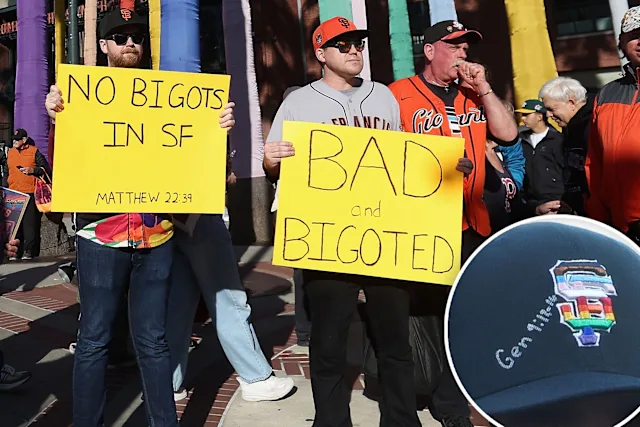
To understand the depth of the recent controversy, one must first appreciate the pioneering spirit of Roscoe Mapps. His journey within the San Francisco Giants organization has been one of quiet revolution. As a senior executive, Mapps wasn’t just a corporate face; he was a bridge-builder, a champion for diversity from within. His involvement in the launch of the Giants’ rainbow caps wasn’t merely a marketing initiative; it was a deeply personal and professional milestone. These caps, worn with pride by players and fans alike, became a potent symbol of the Giants’ commitment to the LGBTQ+ community, signaling that the ballpark was a space for everyone.
Mapps’s presence and advocacy underscored a critical message: representation matters. When an openly gay executive is at the forefront of such initiatives, it sends a powerful signal to LGBTQ+ youth, fans, and employees that their identities are not just tolerated, but celebrated and integrated into the fabric of mainstream institutions. He was a testament to how internal champions can drive meaningful change, fostering an environment where inclusion isn’t just a buzzword, but a lived reality.
The Evolution of Pride Nights in Professional Sports
Pride Nights, once a rarity, have become a staple across professional sports leagues. What began as grassroots efforts by fan groups has evolved into official team-sanctioned events, complete with special merchandise, community partnerships, and on-field celebrations. This evolution marks a significant cultural shift, reflecting broader societal acceptance of LGBTQ+ identities.
For many, Pride Nights are more than just a game; they are a safe space, a moment of collective joy, and a visible affirmation that they belong in spaces traditionally dominated by heteronormative narratives. They provide an opportunity for LGBTQ+ individuals and their allies to come together, celebrate diversity, and remind the world that the queer community is vibrant, diverse, and a fundamental part of the fan base. These nights also serve as vital fundraisers for LGBTQ+ charities and educational initiatives, extending their impact far beyond the stadium lights.
However, the journey hasn’t been without its bumps. As Pride events become more mainstream, they also become targets for backlash. From external protests to internal dissent, teams and leagues often find themselves navigating a delicate balance between authentic inclusivity and avoiding controversy. The recent Giants Pride Night incident is a stark reminder of these ongoing tensions.
Unpacking the `Giants Pride Night` Controversy
The controversy surrounding the most recent Giants Pride Night was a painful moment for many, especially those who had championed the team’s progressive stance for years. While specific details of the initial decision-making process that led to the fallout are complex and multifaceted, the core of the issue revolved around the selection of an honoree for the event and subsequent community reactions. This decision, intended perhaps to bridge different community segments, instead ignited a firestorm, creating a sense of betrayal among some LGBTQ+ advocates and allies.
For Roscoe Mapps, who had invested years in building trust and fostering inclusion, being caught in the middle of this controversy must have been profoundly challenging. It highlights the unenviable position of LGBTQ+ individuals within large organizations who are tasked with leading diversity efforts. When a well-intentioned initiative goes awry, these individuals often bear the brunt of the criticism, facing pressure from both their internal corporate structures and the community they represent.
The incident sparked crucial conversations about what true allyship means. Is it enough to simply host a Pride Night, or must organizations demonstrate an unwavering commitment to the values of inclusivity, even when faced with discomfort or differing opinions? The fallout underscored the need for careful consideration, authentic engagement, and clear communication when partnering with diverse communities. It also brought to the fore the internal dynamics of corporate decision-making, revealing the complexities of navigating various stakeholder interests.
Navigating Backlash and Building Bridges: Lessons for the Future
The challenges faced by the Giants, and by extension, Roscoe Mapps, are not isolated incidents. They are part of a broader pattern of backlash against LGBTQ+ visibility that we are seeing across various sectors. From legislative attacks on trans rights to protests against drag story hours, the fight for equality is facing renewed opposition. In this climate, the role of corporate allies becomes even more critical.
For organizations, the lessons are clear: authenticity, consistency, and a deep understanding of the communities they aim to support are paramount. Token gestures are no longer sufficient; sustained, meaningful engagement is required. This means not only celebrating Pride, but also advocating for LGBTQ+ rights, creating inclusive workplaces, and standing firm in the face of pressure.
For individuals like Mapps, navigating such storms requires immense courage and a steadfast belief in the mission. It’s about finding the strength to continue advocating, even when it’s difficult, and to work towards mending divisions. It’s a reminder that progress is often incremental and fraught with setbacks, but that the commitment to a more inclusive world must endure.
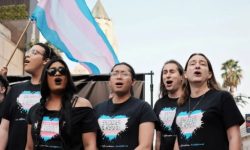
In moments of controversy, the LGBTQ+ community often turns to itself for strength and solace. We find power in shared experiences, in collective action, and in movements that transcend individual events. The spirit of solidarity is potent, as exemplified by events such as the Trans Mission Wembley Concert 2026, which championed trans rights and visibility through music and community gathering. Such initiatives remind us that while individual battles may be challenging, the broader movement for equality continues to surge forward, powered by an unbreakable spirit of unity.
The Digital Echoes: Finding Connection and Support Online
In an age where news travels at lightning speed, controversies like the `Giants Pride Night` fallout inevitably play out across digital platforms. Social media becomes a battleground for opinions, a forum for outrage, and crucially, a space for community building. For many in the LGBTQ+ community, online spaces offer a vital lifeline for connection, information, and support.
When real-world events feel alienating or frustrating, the digital realm can provide a refuge. It’s where shared experiences are validated, where allies can mobilize, and where voices that might otherwise be unheard can find a platform. These online interactions are more than just casual chats; they form the bedrock of digital solidarity, allowing individuals to process complex emotions and strategize collective responses.
However, the internet also comes with its own challenges, including the need for safety and privacy. Engaging in discussions about sensitive topics requires careful navigation. Understanding how to protect oneself online, maintain anonymity when desired, and engage in constructive dialogue is paramount. Resources like a secure gay chat guide become invaluable tools for those seeking to connect authentically and safely in the digital sphere, ensuring that online engagement remains a positive and empowering experience.
Beyond the Headlines: The Future of Corporate Pride
The `Giants Pride Night` controversy serves as a critical juncture for corporate Pride initiatives. It forces a re-evaluation of how companies engage with the LGBTQ+ community and what their commitment truly entails. The future of corporate Pride must move beyond mere symbolism and toward deeper, more impactful engagement.
- Authenticity and Education: Companies must invest in understanding the diverse needs and concerns of the LGBTQ+ community, fostering genuine partnerships rather than transactional ones. This includes internal education for all staff, ensuring that inclusivity is understood and practiced at every level.
- Unwavering Support: In an increasingly polarized world, true allies must be prepared to stand firm in their support, even when it attracts criticism. This means having clear policies, robust internal support systems, and a willingness to speak out against discrimination.
- Intersectionality: Recognizing that the LGBTQ+ community is not a monolith is crucial. Pride initiatives must consider the intersection of various identities—race, gender, disability, socioeconomic status—to ensure truly inclusive and equitable outcomes.
- Long-Term Commitment: Pride is not just one month a year. Organizations must demonstrate year-round commitment through ongoing support for LGBTQ+ causes, inclusive hiring practices, and creating safe, affirming environments for their LGBTQ+ employees and customers.
Conclusion: The Ongoing Journey Towards a More Inclusive Field
The story of Roscoe Mapps and the `Giants Pride Night` fallout is a poignant reminder that the fight for LGBTQ+ equality is an ongoing journey, replete with triumphs and tribulations. It underscores the vital role of pioneers like Mapps, who bravely carve out spaces for queer visibility within mainstream institutions. It also highlights the complexities organizations face as they strive to balance inclusivity with various stakeholder interests.
Yet, amidst the challenges, there is an enduring message of hope and resilience. The LGBTQ+ community and its allies continue to push forward, advocating for a world where everyone can live authentically and without fear. Whether it’s through the powerful symbolism of a rainbow cap, the collective voice amplified in online chats, or the unwavering solidarity at community events, the pursuit of a more inclusive and equitable society remains steadfast. The goal is clear: to ensure that every field, every stadium, and every corner of our world truly welcomes and celebrates all.