The Unfolding Equality Battle: US Supreme Court to Hear Pivotal LGBTQ+ Rights Case
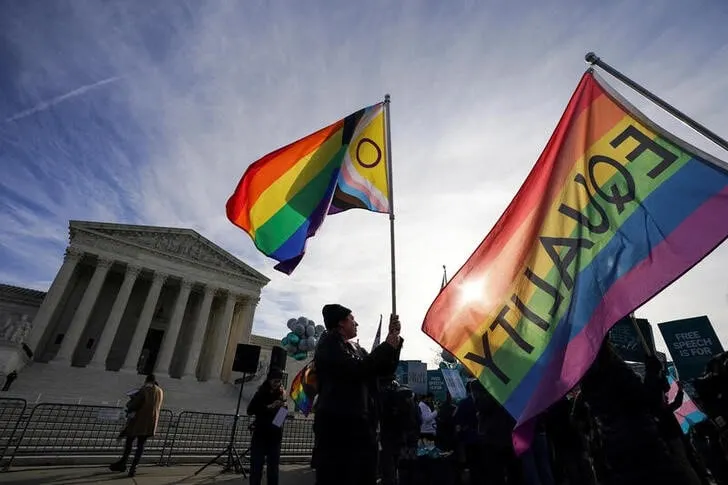
In a world striving for greater inclusion, news that the US Supreme Court is set to hear a landmark case involving a Catholic school’s LGBTQ+ ban and state funding cuts sends a ripple of concern and determination through our community. This isn’t just another legal proceeding; it’s a critical front in the ongoing Equality Battle, poised to significantly impact the lives of LGBTQ+ individuals, particularly within educational settings and beyond. At its heart, this case pits the First Amendment’s Free Exercise Clause against fundamental anti-discrimination principles, and the outcome will reverberate across every corner of our society, from public policy to the very fabric of our community life, both online and offline.
The core of the dispute revolves around a Catholic school that was denied state funding due to its policy banning LGBTQ+ students and staff. The school argues that this denial infringes upon its religious freedom, as protected by the Free Exercise Clause. However, for many, this isn’t simply about religious institutions exercising their beliefs; it’s about whether public funds, derived from all taxpayers, should be used to support entities that openly discriminate against a protected class. As we delve deeper, it becomes clear that this isn’t just a legalistic debate; it’s a deeply personal one for countless families, educators, and young people navigating their identities in a world that often feels conditional.
Religious Freedom vs. Anti-Discrimination: A Long-Standing Tension
The tension between religious freedom and anti-discrimination laws is not new in American jurisprudence. For decades, courts have grappled with how to balance these two crucial tenets of a pluralistic society. On one hand, the Free Exercise Clause guarantees individuals and organizations the right to practice their religion without undue government interference. This is a bedrock principle of liberty. On the other hand, the compelling state interest in preventing discrimination based on sex, race, religion, national origin, and increasingly, sexual orientation and gender identity, has led to robust civil rights protections.
Past Supreme Court cases, such as Masterpiece Cakeshop v. Colorado Civil Rights Commission and Fulton v. City of Philadelphia, have explored similar intersections, often yielding nuanced and sometimes fractured decisions. These cases, while not directly identical to the current one, illustrate the complexity and deeply held beliefs on both sides. The present case, however, introduces a direct question about state funding: Can a state legitimately withhold funds from a private entity, even a religious one, if that entity engages in discrimination that the state itself would be prohibited from undertaking? This is where the lines become particularly blurry and the potential for far-reaching implications becomes apparent.
For the LGBTQ+ community, the concept of ‘religious freedom’ being used as a shield for discrimination is a familiar and painful narrative. It often translates into real-world harm, denying access to essential services, employment, housing, and now, education. The fight isn’t against religion itself, but against the weaponization of religious doctrine to justify inequality and exclusion.
The Profound Impact on LGBTQ+ Lives and Education
The implications of this Supreme Court case for LGBTQ+ individuals, especially youth, cannot be overstated. Education is a fundamental right and a pathway to opportunity. When educational institutions, even private ones, receive public funding yet operate with discriminatory policies, it sends a chilling message to queer students, teachers, and their families.
-
Educational Access and Safety
If schools are allowed to receive public funds while banning LGBTQ+ individuals, it creates a tiered system where some students are inherently less welcome or even outright excluded. This not only limits educational choice for LGBTQ+ families but also fosters environments that can be hostile and unsafe. For young people still discovering themselves, attending a school that officially disapproves of their identity can have devastating effects on their mental health and academic performance. It can lead to feelings of isolation, shame, and a sense of being ‘less than’ their peers.
-
Public Funds, Public Values
The use of public funds is a critical aspect of this case. Taxpayer money, gathered from all citizens regardless of their identity, is intended to serve the public good. Allowing these funds to flow to institutions that actively discriminate raises fundamental questions about governmental endorsement of such practices. It suggests that discrimination against LGBTQ+ individuals can be permissible, even facilitated, by public resources, thereby undermining the very concept of equality under the law.
-
Employment and Professional Pathways
Beyond students, this case also impacts LGBTQ+ educators and staff. If religious schools can use public funds while maintaining discriminatory hiring practices, it narrows professional opportunities for queer teachers, counselors, and administrators. This not only limits their career paths but also deprives students of diverse role models and perspectives, essential for a well-rounded educational experience.
Community Resilience and the Power of Solidarity
In the face of such legal challenges, the LGBTQ+ community has consistently demonstrated remarkable resilience and an unwavering commitment to solidarity. These moments of legal uncertainty often galvanize activism, bringing people together to advocate for their rights and support one another. Whether through organized protests, awareness campaigns, or simply creating spaces for shared experience, the community finds strength in unity.
Online platforms play an increasingly crucial role in fostering this solidarity. They provide spaces for information sharing, organizing, and emotional support, especially for those in isolated areas where local communities may be smaller or less visible. From national advocacy groups coordinating legal responses to local forums discussing the personal impact of such rulings, the digital realm acts as a vital connective tissue. In these times, knowing where to find truly secure and anonymous support can be a lifeline. Resources like this secure gay chat guide become invaluable tools for individuals seeking connection, advice, and a safe haven from external pressures, ensuring that no one has to face these challenges alone.
The spirit of solidarity extends beyond legal battles. It manifests in cultural movements, artistic expressions, and collective celebrations of identity. Events like the ‘Trans-Mission’ concert at Wembley, for instance, are powerful testaments to the community’s collective spirit and its ability to gather, celebrate, and advocate for change. The sheer joy and unity witnessed at events such as the Trans-Mission Wembley Concert 2026 underscore the importance of communal gathering, not just for entertainment, but as a form of powerful, visible resistance and affirmation in the face of adversity. These cultural touchstones remind us that our fight for equality is multifaceted, encompassing legal, social, and cultural dimensions.
Broader Implications for Civil Rights and the ‘Slippery Slope’
The potential ruling in this Supreme Court case extends far beyond the immediate context of Catholic schools and state funding. It carries significant implications for the broader landscape of civil rights in America. Advocates warn of a ‘slippery slope’ scenario: if religious freedom can be broadly interpreted to permit discrimination against LGBTQ+ individuals in publicly funded institutions, what prevents similar arguments from being made against other protected groups? Could religious exemptions be extended to discriminate based on race, gender, or other characteristics under the guise of deeply held beliefs?
This case, therefore, is not merely about LGBTQ+ rights; it’s about the very definition of civil rights and the limits of religious exemptions in a diverse society. It forces us to confront fundamental questions about how we define equality, what constitutes discrimination, and the role of government in ensuring fair and equitable treatment for all its citizens. The outcome could set a precedent that either strengthens anti-discrimination protections or carves out significant exceptions that erode the gains made over decades of civil rights advocacy.
The fight for full equality is an ongoing journey. Every legal challenge, every legislative debate, and every social movement contributes to the evolving understanding of justice and inclusion. This current Supreme Court case is a stark reminder that even seemingly settled rights can be challenged, requiring constant vigilance and advocacy from allies and the community alike.
Navigating the Digital Landscape: A Lifeline for the LGBTQ+ Community
In these challenging times, the digital landscape has become an indispensable lifeline for the LGBTQ+ community. From online news sources keeping us informed about critical legal developments to social media platforms enabling rapid mobilization and discussion, the internet is a powerful tool for advocacy and connection. It allows individuals to share their stories, find support groups, and access resources that might not be available in their local physical communities.
However, the digital world also presents its own set of challenges, including issues of privacy, misinformation, and online harassment. This underscores the critical need for digital literacy and the proactive creation of safe, inclusive online spaces. The rise of anonymous chat platforms and dating apps has transformed how many in the LGBTQ+ community connect, build relationships, and find support. While offering incredible benefits, these platforms also require users to be aware of best practices for online safety and privacy. Ensuring that these digital interactions are secure and respectful is paramount, especially when discussing sensitive topics or navigating personal relationships during periods of heightened societal tension.
Looking Ahead: Vigilance and Hope
As the US Supreme Court prepares to hear this pivotal case, the LGBTQ+ community and its allies will watch with bated breath. The decision will undoubtedly shape the legal and social landscape for years to come. Regardless of the outcome, one thing remains clear: the fight for equality and acceptance will continue.
This case serves as a powerful reminder of how intertwined our legal battles are with our daily lives and our collective well-being. It highlights the importance of staying informed, engaging in advocacy, and nurturing our communities – both online and offline. Every voice, every story, and every act of solidarity contributes to the momentum for change. We must continue to push for a society where religious freedom is honored without being used as an excuse for discrimination, where public funds serve all citizens equitably, and where every LGBTQ+ individual can live authentically and without fear.
The path to full equality is often long and arduous, marked by both victories and setbacks. But the unwavering spirit of the LGBTQ+ community, coupled with the growing support of allies, ensures that the pursuit of justice and dignity for all will never cease. This Equality Battle is far from over, and our collective strength is our greatest asset in the journey forward.