The Unseen Scars: Why Media Accountability Matters for LGBTQ+ Lives
In an era brimming with information, the platforms that shape our narratives hold immense power. They can be conduits for understanding, empathy, and connection, or they can become stages for division, misinformation, and hate. The recent uproar surrounding GB News, following the broadcast of a speaker making dangerous and baseless remarks linking the LGBTQ+ community to “paedophiles” and “unhealthy kinks,” has brought the critical issue of Media Accountability into sharp, uncomfortable focus. This isn’t just a fleeting news cycle; it’s a stark reminder of the profound impact media has on the safety, dignity, and mental well-being of the LGBTQ+ community, both online and in the physical world.
The Broadcast That Sparked Outrage: A Breach of Trust
The incident at GB News, where an anti-Pride speaker was given a platform to disseminate vile rhetoric, sent shockwaves through the LGBTQ+ community and beyond. The speaker’s comments, which invoked age-old, harmful stereotypes to demonize an entire community, were not just offensive; they were dangerous. By drawing a false and malicious connection between LGBTQ+ identities and predatory behavior, the broadcast fueled baseless fears and prejudice. This kind of sensationalist content does more than just generate clicks or controversy; it normalizes hate, validates bigotry, and creates an environment where discrimination and even violence against LGBTQ+ individuals can fester.
The immediate and widespread public outcry, culminating in numerous complaints to Ofcom, the UK’s communications regulator, underscores a fundamental expectation: media platforms have a responsibility to uphold journalistic ethics, verify information, and, critically, protect vulnerable communities from targeted hate speech. When a platform fails in this duty, it not only loses public trust but actively contributes to the erosion of societal cohesion and safety for marginalized groups.
The Insidious Nature of Hate Speech: Beyond Words
To dismiss such remarks as mere “opinion” or “free speech” is to fundamentally misunderstand the nature and impact of hate speech. Language has power. When a speaker on a national news channel links the LGBTQ+ community to “paedophiles” and “bizarre and unhealthy kinks and quirks,” they are not just expressing a viewpoint; they are engaging in a historically entrenched form of dehumanization that has led to countless acts of violence, discrimination, and systemic oppression. This particular slur – the ‘groomer’ trope – is an especially insidious tactic, designed to strip LGBTQ+ individuals of their humanity, delegitimize their relationships, and justify hostility towards them.
The consequences of broadcasting such harmful narratives are far-reaching:
- Increased Discrimination: It emboldens those with pre-existing biases, leading to overt discrimination in employment, housing, healthcare, and public spaces.
- Mental Health Crisis: Constant exposure to hate speech contributes to heightened levels of anxiety, depression, PTSD, and suicidal ideation within the LGBTQ+ community.
- Physical Danger: Historically, rhetoric linking LGBTQ+ people to pedophilia has been a precursor to violence, including hate crimes.
- Erosion of Rights: It creates a hostile political climate, making it harder to advocate for and protect LGBTQ+ rights.
- Isolation and Fear: It makes individuals feel unsafe, unwelcome, and isolated, forcing some back into the closet for fear of reprisal.
The harm isn’t abstract; it manifests in the daily lives of millions, impacting everything from self-esteem to the ability to live openly and authentically.
Media’s Sacred Duty: Platform or Protector?
Journalism and media broadcasting carry a unique responsibility. They are meant to inform, educate, and facilitate public discourse. However, this duty comes with ethical boundaries, especially when it concerns the propagation of content that incites hatred or prejudice against protected characteristics. Providing a platform for views that are not just controversial but demonstrably false and deeply harmful transforms a news outlet from a source of information into a purveyor of bigotry.
The debate around “free speech” often gets weaponized to justify the amplification of hate. True free speech does not protect speech that incites violence, defamation, or discrimination against marginalized groups. Instead, responsible media outlets understand that freedom of expression comes with a profound responsibility to not cause harm, to verify facts, and to apply editorial judgment that prioritizes public safety and ethical reporting over sensationalism. When media abdicates this responsibility, it contributes to a dangerous normalization of prejudice that has long-term, detrimental effects on society.
Ofcom: The Watchdog and Public Voice
In the UK, Ofcom serves as the independent regulator and competition authority for the UK communications industries, with powers to investigate and sanction broadcasters for breaches of broadcasting codes. The complaints lodged against GB News highlight the public’s understanding of Ofcom’s role in upholding broadcasting standards. These standards exist to ensure that content is not offensive, harmful, or promotes discrimination. The sheer volume of complaints sends a clear message: the public expects broadcasters to adhere to ethical guidelines and to be held accountable when they fail.
Ofcom investigations are crucial because they serve multiple purposes:
- Validation of Harm: They officially acknowledge that harm has been caused, giving voice to those impacted.
- Setting Precedents: Rulings create precedents that guide future broadcasting decisions.
- Deterrence: Sanctions act as a deterrent against similar future breaches.
- Public Trust: They reassure the public that there are mechanisms for accountability and redress.
While an Ofcom ruling won’t erase the harm already done, it is a vital step in reinforcing the principles of responsible broadcasting and ensuring that platforms understand the gravity of their decisions.
The Ripple Effect: Impact on LGBTQ+ Lives, Online and Off
When such hateful rhetoric is amplified on national television, its effects ripple through society, making everyday life more challenging for LGBTQ+ individuals. It fuels an atmosphere of suspicion and hostility, impacting everything from casual interactions to more structured environments like workplaces and schools.
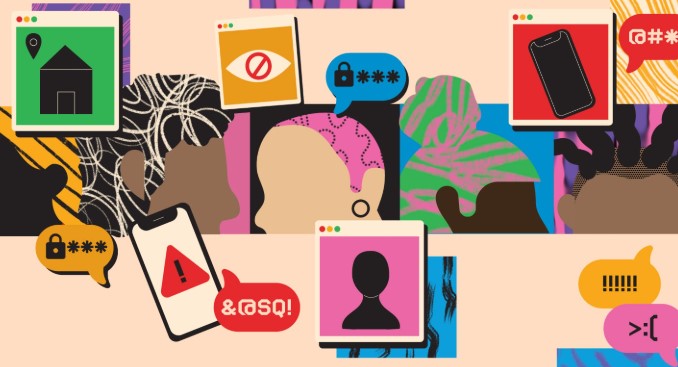
Crucially, this hostility extends to our digital lives. For many in the LGBTQ+ community, online spaces – including chat rooms, forums, and dating apps – are vital for connection, support, and finding community. They offer a sanctuary, a place to be authentically oneself, and a means to navigate a world that can often feel isolating. However, when mainstream media platforms legitimize hate speech, it inevitably seeps into these digital environments, making them less safe. Trolls feel emboldened, harassment intensifies, and the psychological burden on users increases. In a world where such rhetoric is amplified, the importance of secure, respectful online spaces cannot be overstated. For many, platforms dedicated to LGBTQ+ connection are vital. It’s crucial to know how to navigate these spaces safely and protect one’s privacy, a topic expertly covered in our ultimate manual for secure gay chat, which provides essential guidance on maintaining anonymity and security in an increasingly volatile online landscape.
Building Bridges, Not Walls: Community Resilience and Solidarity
Despite the challenges, the LGBTQ+ community consistently demonstrates immense resilience, creativity, and a powerful spirit of solidarity. Every act of hate speech is met with a stronger collective voice advocating for love, acceptance, and equality. This incident, while disheartening, has galvanized many to speak out, report abuses, and reinforce their commitment to creating a more inclusive world. Allies, too, play a crucial role in amplifying these voices and standing in unwavering support.
In response to rising intolerance, our community consistently demonstrates immense resilience and a powerful spirit of solidarity. Whether through direct action, educational initiatives, or cultural events, we continue to build and strengthen our bonds. Events like the upcoming Trans-Mission Wembley concert serve as beacons of hope and collective strength, bringing together voices in celebration and defiance against hate. These gatherings remind us of the power of unity and the vibrant spirit that thrives even in the face of adversity, proving that our community’s spirit cannot be extinguished.
Beyond the Headlines: A Call for Lasting Change
The GB News incident is a critical moment for reflection on the state of media ethics and societal responsibility. It’s a call for:
- Stronger Editorial Oversight: Broadcasters must implement stricter internal guidelines to prevent the spread of misinformation and hate.
- Media Literacy: Empowering audiences to critically evaluate news sources and recognize biased or harmful content.
- Active Advocacy: Continuing to report incidents of hate speech to regulatory bodies and supporting organizations that fight for LGBTQ+ rights.
- Inclusive Representation: Promoting diverse voices and narratives in media to counter harmful stereotypes and foster understanding.
The fight for equality and acceptance is ongoing, and responsible media plays an indispensable role in advancing this cause. We must collectively demand more from our news sources, holding them accountable not just for what they say, but for the impact their words have on the lives of real people.
Conclusion: A Future Built on Respect and Responsibility
The recent controversy surrounding GB News and its amplification of anti-LGBTQ+ rhetoric serves as a stark reminder that the battle for dignity and safety is far from over. It underscores the vital importance of Media Accountability – not just as a legal requirement, but as a moral imperative. As members and allies of the LGBTQ+ community, we must remain vigilant, continue to speak out against hate, and demand that media platforms uphold their responsibility to foster an informed, respectful, and inclusive society.
Our stories, our identities, and our right to exist free from prejudice are not up for debate. By holding powerful institutions accountable, we pave the way for a future where all individuals are celebrated, protected, and empowered to thrive, both online and in every facet of life. Let this incident be a catalyst for renewed commitment to truth, empathy, and unwavering solidarity.