Rediscovering ‘Gypsy 83’: A Journey with a Forgotten Queer Gem and Its Timeless Resonance
In the vast, ever-expanding tapestry of queer cinema, some threads are vibrant, universally celebrated, and woven into the very fabric of our collective memory. Others, however, are delicate, beautiful, and perhaps a little ahead of their time, only to be tucked away, waiting for the right moment to be unearthed and admired anew. Such is the story of ‘Gypsy 83’, a film that premiered in 2001 and, for many, remained a forgotten queer gem. Now, with a new extended Director’s Cut on the horizon, this road trip starring a gay goth teen and his bestie is finally poised to receive the love, analysis, and recognition it has long deserved. Join us as we deep dive into why this film matters, then and now, and what its re-emergence signifies for the LGBTQ+ community and our evolving culture of storytelling.
The Turn of the Millennium: Queer Cinema’s Landscape in 2001
To truly appreciate ‘Gypsy 83’, we must first understand the cinematic landscape for LGBTQ+ stories at the turn of the millennium. The early 2000s were a transitional period. While the New Queer Cinema movement of the 90s had pushed boundaries, many mainstream queer narratives still leaned heavily into coming-out struggles, tragic endings, or gritty realism. Happy, hopeful, or simply slice-of-life stories, especially those centered on platonic friendships or alternative subcultures, were harder to come by.
- Limited Visibility: Queer characters were often relegated to sidekicks or villains, and lead roles were rare.
- Niche Distribution: Independent queer films often struggled to find wide distribution, primarily reaching film festivals and art house cinemas.
- Narrative Tropes: Themes often revolved around AIDS, homophobia, or the painful process of self-acceptance, leaving less room for joyful or complex explorations of identity beyond these challenges.
It was against this backdrop that ‘Gypsy 83’ emerged – a film that dared to be different. Directed by Todd Stephens (who would later give us ‘Another Gay Movie’), it offered a distinctly quirky, heartfelt, and ultimately optimistic take on queer youth, friendship, and the pursuit of dreams.
‘Gypsy 83’: A Unique & Underrated Vision
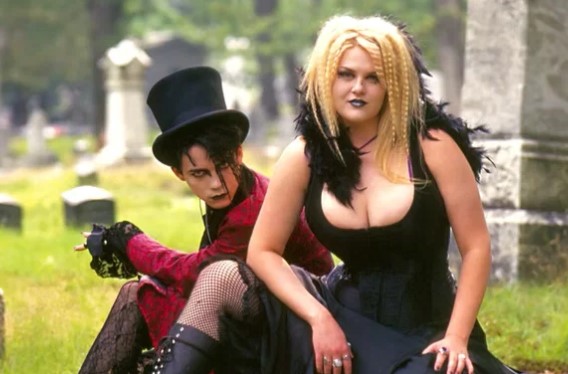
The film follows Gypsy Vale (Sara Rue), a goth girl obsessed with Stevie Nicks, and her best friend Clive (Kett Turton), a shy gay goth teen, as they leave their stifling small town in Ohio for New York City. Their mission? For Gypsy to compete in a national Stevie Nicks look-alike contest. But like all great road trips, the journey itself becomes the destination, a crucible for self-discovery, unexpected encounters, and the strengthening of an unbreakable bond.
Key Elements That Made ‘Gypsy 83’ Stand Out:
- Authentic Friendship: At its heart, ‘Gypsy 83’ is a love letter to platonic friendship. Gypsy and Clive’s bond is the emotional anchor, showcasing how vital chosen family is for queer individuals, especially during formative years. It’s a relationship built on mutual understanding, acceptance, and shared dreams, transcending traditional romantic arcs.
- Goth Subculture as Refuge: The film’s embrace of the goth aesthetic wasn’t just visual flair; it was integral to the characters’ identities. For many LGBTQ+ youth, alternative subcultures offer a vital space for self-expression, a haven from mainstream expectations, and a community where being different is celebrated. Gypsy and Clive’s dark clothing, makeup, and love for specific music genres are not just costumes but declarations of identity.
- Queerness Beyond Coming Out: While Clive is gay, the film doesn’t focus on a dramatic coming-out narrative. His sexuality is a facet of his character, explored through his hesitations, attractions, and dreams, but it doesn’t define his entire journey. This nuanced portrayal was, and still is, refreshing – allowing queer characters to exist and evolve beyond a single narrative arc.
- The Road Trip Metaphor: The physical journey from Ohio to NYC mirrors the characters’ internal journeys. It’s a quest for identity, freedom, and belonging, filled with unexpected detours, quirky strangers, and moments of profound introspection. The open road becomes a symbol of possibility and escape from provincial constraints.
The Director’s Cut: Why Now, and What Does It Promise?
The announcement of an extended Director’s Cut nearly a quarter-century after its initial release is not just a treat for cinephiles; it’s a statement. It signals a renewed interest in, and perhaps a more mature understanding of, stories that were once overlooked. Why is this happening now?
- Nostalgia and Reassessment: There’s a growing trend of re-evaluating earlier works through a contemporary lens. Audiences are increasingly looking back at films that didn’t get their due, appreciating them for their foresight or unique perspectives.
- Streaming Accessibility: In the age of streaming, niche films can find massive new audiences. A Director’s Cut allows for a broader re-introduction to a film that was once difficult to access.
- Evolution of Queer Storytelling: Our collective understanding of queer identity and representation has deepened significantly. What might have been considered subtle or niche in 2001 can now be seen as groundbreaking or deeply resonant. The ‘Director’s Cut’ often means more depth, restored scenes, and the filmmaker’s uncompromised vision, which could further enrich the film’s existing themes.
This extended version promises to offer a deeper dive into Gypsy and Clive’s lives, perhaps providing more context, richer character development, or even expanding on their individual journeys and the people they meet. It’s an opportunity to truly see the film as Todd Stephens intended, letting its full potential unfurl.
From ‘Gypsy 83’ to ‘Bridgerton’: The Evolution of Queer Romance & Representation
The journey from ‘Gypsy 83’s understated queer narrative to the vibrant, diverse portrayals we see today is remarkable. In 2001, a gay character in a leading role, even in an indie film, felt like a quiet triumph. Fast forward to today, and we’re celebrating complex, passionate queer romances in mainstream blockbusters and beloved TV series. The upcoming Bridgerton Season 5, with its highly anticipated queer romance between Francesca and Michaela, exemplifies this monumental shift. It’s a testament to how far we’ve come: from needing to seek out hidden gems like ‘Gypsy 83’ to witnessing queer love stories front and center in global phenomena. This evolution isn’t just about visibility; it’s about normalization, diversity, and the sheer joy of seeing oneself reflected in stories across all genres and eras.
The Enduring Search for Community and Connection
The longing for belonging is a universal human experience, but for many in the LGBTQ+ community, it carries an added weight. Gypsy and Clive’s road trip is, at its core, a search for a place where they feel understood and accepted. They seek their tribe, whether that’s in the vibrant, alternative scene of New York City or in the kindred spirits they meet along the way.
This search for community has evolved significantly with the advent of the internet. While Gypsy and Clive had to physically travel to find their people, today, connections are often forged online. For those living in rural areas or places where in-person queer communities are scarce, digital spaces offer invaluable lifelines. Platforms for anonymous chat and online communities provide opportunities to explore identity, share experiences, and find support without the immediate pressures of face-to-face interaction. However, navigating these digital landscapes requires careful consideration of safety and privacy. For anyone looking to connect in these spaces, understanding how to protect oneself is paramount. A secure gay chat guide, offering an ultimate manual for digital privacy, becomes an essential resource for ensuring these online interactions are not only fulfilling but also safe.
A Timeless Message: Embrace Your Weird
‘Gypsy 83’ resonates today because its core message is timeless: embrace who you are, find your people, and chase your dreams, no matter how unconventional they may seem. Gypsy’s unwavering devotion to Stevie Nicks and Clive’s quiet yearning for connection speak to the universal queer experience of often feeling like an outsider, yet possessing an inner world rich with passion and resilience.
The film, even in its initial release, offered a blueprint for a kind of queer storytelling that wasn’t solely defined by trauma but by aspiration, friendship, and the messy, beautiful process of becoming. It celebrated the ‘weird’ – the goth kids, the dreamers, the ones who didn’t fit in – and showed them that their individuality was their greatest strength.
The Legacy and Impact of Re-Discovery
Re-discovering a film like ‘Gypsy 83’ does more than just fill a gap in our viewing history; it enriches our understanding of queer cultural evolution. It allows us to:
- Trace Cinematic Lineages: See how current narratives have roots in earlier, lesser-known works.
- Celebrate Diverse Voices: Bring forgotten artists and stories back into the spotlight.
- Inspire New Generations: Show younger audiences the breadth and depth of queer cinema, encouraging them to seek out films beyond the current mainstream.
- Foster Dialogue: Spark conversations about how representation has changed, what challenges remain, and what stories still need to be told.
The renewed attention on ‘Gypsy 83’ is a powerful reminder that not all classics are instantly recognized. Some stories, like seeds, need time to germinate and bloom. The Director’s Cut offers an exciting opportunity for both original fans and a whole new generation to fall in love with Gypsy and Clive, to join them on their unforgettable road trip, and to celebrate a truly special piece of queer cinema.
Conclusion: Embracing Our Past to Inform Our Future
‘Gypsy 83’ is more than just a film about a goth teen and his best friend on a road trip; it’s a testament to the enduring power of friendship, self-discovery, and the vital role that alternative cultures play in shaping LGBTQ+ identities. Its re-emergence as an extended Director’s Cut is a cause for celebration, inviting us to revisit a significant, albeit forgotten queer gem, and to appreciate its unique contribution to queer storytelling.
As we continue to push for even broader, more inclusive representation in media, remembering and re-evaluating films like ‘Gypsy 83’ helps us understand where we’ve come from and inspires us to continue championing authentic, diverse narratives. So, buckle up, put on your favorite goth anthem, and get ready to rediscover a film that proves some journeys are truly timeless.