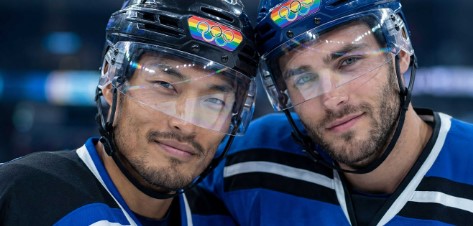
Beyond the ‘Only One’: The Triumphant Shift in Gay Athletes Visibility
In a world often fixated on firsts and trailblazers, a profound statement from college basketball player Joe Morrell is sparking a necessary and welcome evolution in the conversation around LGBTQ+ representation in sports. Morrell, a proud gay athlete, recently shared, “I want to shift the conversation away from being the one gay basketball kid. I am not the only one, I am one of many.” This simple yet powerful declaration marks a pivotal moment, signaling a desire to move beyond exceptionalism towards collective recognition. It underscores a crucial development in gay athletes visibility, emphasizing that true progress isn’t just about individual breakthroughs, but about fostering an environment where authenticity is normalized and celebrated across the board.
Morrell’s words resonate deeply within the LGBTQ+ community, particularly as we navigate increasingly complex public and private spaces. For too long, the narrative around out queer athletes has focused on their uniqueness, inadvertently placing a heavy burden on individuals to represent an entire community. While trailblazers are vital and their courage undeniable, Morrell’s statement champions a new era: one where queer identities in sports are seen as commonplace, diverse, and inherently part of the fabric of athletics. This isn’t just about coming out; it’s about living out loud, authentically, and without the pressure of carrying the weight of an entire movement on one’s shoulders. It’s about creating a future where every queer athlete feels they belong, not as an anomaly, but as a valued member of the team, the league, and the broader sports community.
The Burden of Being ‘The Only One’: A Historical Perspective
Throughout history, LGBTQ+ athletes have often faced immense pressure, either to remain closeted to protect their careers or, upon coming out, to become instant symbols. From Billie Jean King to Jason Collins, these pioneers broke down barriers, enduring scrutiny and often sacrificing personal privacy for the greater good of visibility. Their bravery paved the way, demonstrating that talent, dedication, and character transcend sexual orientation or gender identity.
From Silence to Breaking the Ice
- The Era of Silence: For decades, being openly gay or lesbian in sports was virtually impossible. Careers were ended, reputations ruined, and the fear of ostracization loomed large. Athletes lived dual lives, a public persona of heteronormativity masking their true selves.
- The Trailblazers: The late 20th and early 21st centuries saw a few courageous individuals step forward. Martina Navratilova, Glenn Burke, and others bravely came out, often facing significant backlash but opening crucial doors. Their stories were often singular, focused on their unique journey and the challenges they overcame.
- The Modern Pioneers: Athletes like Jason Collins in the NBA, Michael Sam in the NFL, and Megan Rapinoe in soccer further pushed boundaries. While celebrated, the media narratives often highlighted their status as ‘the first’ or ‘the only,’ inadvertently placing them on a pedestal that could feel isolating.
Joe Morrell’s desire to shift this narrative is a sign of progress. It reflects a maturing conversation within both the LGBTQ+ community and mainstream society. It acknowledges the vital work of those who came before but insists on a future where individual identity isn’t a headline, but a given.
The Power of ‘One of Many’: Normalizing Authenticity
Morrell’s statement isn’t about diminishing the accomplishments of pioneers; it’s about building on them. It’s about moving from tolerance to acceptance, and ultimately, to celebration of diversity as a fundamental strength. When an athlete says, “I am one of many,” it sends a powerful message:
Creating a Tapestry of Representation
- Reduced Pressure: No single individual should bear the entire weight of community representation. When there are many, the pressure on any one person lessens, allowing them to focus on their sport and their personal journey.
- Broader Understanding: Seeing multiple gay athletes with diverse personalities, backgrounds, and positions helps dismantle stereotypes. It illustrates that there’s no single ‘gay experience,’ just as there’s no single ‘straight experience.’
- Role Models for the Next Generation: For young LGBTQ+ athletes, seeing a multitude of out players across different sports, levels, and identities is incredibly affirming. It provides diverse role models and concrete proof that they can pursue their passions without compromising who they are.
- Fostering Inclusive Environments: When queer athletes are recognized as ‘one of many,’ it indicates a shift in the culture of sports teams, leagues, and fan bases. It suggests that spaces are becoming more welcoming, where differences are embraced rather than just tolerated.
Beyond the Locker Room: Ripple Effects in Culture and Community
The impact of increased gay athletes visibility extends far beyond the confines of the sports arena. It seeps into wider culture, influencing public perception, community building, and even personal development for LGBTQ+ individuals everywhere.
Impact on Youth and Aspiring Athletes
For a young queer person dreaming of playing college basketball, knowing that there are many like Joe Morrell can be life-changing. It validates their aspirations, combating the insidious feeling that they might not belong or that their identity is an obstacle. This sense of belonging is crucial for mental health, self-esteem, and overall well-being, both on and off the court. It creates a pathway for a new generation to thrive authentically from the start, rather than having to overcome the hurdle of self-acceptance in isolation.
Connecting Through Digital Spaces and Solidarity
In an increasingly digital world, online platforms play a vital role in fostering connections and community for LGBTQ+ individuals, especially those who might feel isolated in their local environments. For athletes navigating unique pressures, these digital safe havens can be invaluable. Discussing shared experiences, finding support, and exploring identity in a secure space are critical for mental and emotional health. Tools and resources dedicated to ensuring privacy and safety in these online interactions are more important than ever. For those seeking to connect with others and navigate their identities in a supportive online environment, a resource like the Secure Gay Chat Guide 2026 offers an ultimate manual for anonymous chat and digital privacy, empowering users to engage safely and authentically.
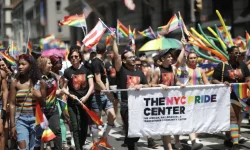
Furthermore, the spirit of ‘one of many’ underscores the power of collective action and solidarity. When individuals stand together, their combined voices amplify messages of acceptance and equality. This collective strength is visible not just in sports but across various aspects of queer culture, from advocacy groups to artistic expressions. Moments that celebrate this unity, such as large-scale events that bring the community together, are vital touchstones. The excitement and shared purpose felt at events like the Trans Mission Wembley Concert 2026, are powerful examples of how solidarity and music can create unforgettable experiences, strengthening bonds and fostering a sense of shared belonging within the broader LGBTQ+ community. These events, much like Joe Morrell’s statement, reinforce that we are not alone; we are part of a vibrant, diverse, and powerful community.
Challenges Remain: The Ongoing Fight for True Inclusion
While Joe Morrell’s vision for ‘one of many’ is inspiring, it’s crucial to acknowledge that the journey towards full inclusion in sports is far from over. Anti-LGBTQ+ sentiment, particularly targeting trans athletes, continues to plague various levels of sports. Homophobia, biphobia, and transphobia, whether overt or subtle, still exist in locker rooms, on social media, and among some fan bases.
Areas for Continued Focus:
- Transgender Inclusion: The fight for trans athletes to participate authentically and safely in sports is one of the most pressing issues. Policies and attitudes must evolve to ensure that all athletes, regardless of gender identity, have equal opportunities.
- Intersectionality: The experiences of LGBTQ+ athletes of color, disabled LGBTQ+ athletes, and those with other marginalized identities often face compounded discrimination. True visibility means acknowledging and uplifting these diverse voices.
- Allyship and Education: Coaches, teammates, administrators, and fans must be educated and encouraged to be active allies. This means challenging homophobic language, advocating for inclusive policies, and creating truly safe spaces.
- Mental Health Support: Even in more accepting environments, the unique pressures faced by LGBTQ+ athletes necessitate robust mental health resources and support systems.
The Future of Gay Athletes Visibility: A Collective Endeavor
Joe Morrell’s statement is more than just a personal reflection; it’s a blueprint for the future. It’s a call to action for all of us – athletes, coaches, fans, media, and community members – to work towards a world where an athlete’s identity is simply another facet of their rich, complex humanity, not a groundbreaking announcement. When we cultivate environments where being ‘one of many’ is the norm, we unlock a richer, more authentic, and ultimately more successful sports landscape.
This shift isn’t about erasing the past or forgetting the sacrifices of those who came before. It’s about honoring their legacy by continuing their work in a new, more expansive way. It’s about building a collective strength, a powerful chorus of voices where no one feels isolated, and everyone feels seen. By embracing Joe Morrell’s vision, we move closer to a world where gay athletes visibility isn’t just about individual acts of courage, but about a thriving, inclusive community that empowers everyone to shine.
Let us champion this shift, celebrating every athlete for their skill, their spirit, and their authentic self. Let us build a future where the question isn’t ‘Are you the only one?’ but ‘Welcome to the team; tell us how you want to play.’