Navigating the Political Landscape for HIV Prevention: A Community Deep Dive
In the ever-shifting landscape of American politics, alliances are made and broken with dizzying speed, often with unforeseen consequences for public policy. Recently, the LGBTQ+ community, and indeed the broader public health sector, found itself watching an intriguing development: a conservative Republican Senator, John Cornyn of Texas, pledged to block presidential nominees. His motive? To secure federal funding for HIV prevention initiatives. This unexpected turn of events, rooted in a personal political vendetta against a former president who endorsed his primary opponent, highlights the complex and often circuitous paths through which crucial health funding can be impacted. For our community, which has historically borne the brunt of the HIV/AIDS epidemic, this moment is a stark reminder of the critical importance of sustained advocacy, even when victories come from the most unlikely of political maneuvers.
This deep dive will explore the nuances of this political standoff, unpack its implications for HIV prevention efforts, and underscore why, regardless of the motivations, securing this funding remains an absolute priority for the health and well-being of the LGBTQ+ community. We’ll delve into the history of our fight for health equity, the double-edged sword of political leverage, and the enduring power of community in shaping a healthier future.
Understanding the Political Chessboard: Sen. Cornyn’s Unexpected Stance
The news broke with a particular kind of political irony: Senator John Cornyn, a long-serving Republican from Texas, a state not typically at the forefront of progressive health policies, decided to use his senatorial power to champion HIV prevention funding. The backstory is classic Washington: former President Trump endorsed one of Cornyn’s political opponents. In response, Cornyn has become vocally opposed to Trump’s agenda, signaling his intent to obstruct presidential nominations until his demands for HIV prevention funding are met.
For many, this immediately raised eyebrows. Why this issue, and why now? The answer, as is often the case in politics, is less about altruism and more about strategic leverage. Cornyn is using a high-profile, deeply important public health issue as a bargaining chip in a personal political skirmish. While the optics might be unusual, the potential outcome—increased funding for HIV prevention—is unequivocally positive for millions, especially within the LGBTQ+ community. It’s a testament to the unpredictable nature of politics, where even rivalries can inadvertently serve the greater good.
The Crucial Importance of HIV Prevention for Our Community
For the LGBTQ+ community, the phrase “HIV prevention” is not merely a public health term; it is a profound testament to decades of struggle, loss, resilience, and progress. The AIDS crisis of the 1980s and 90s decimated a generation of gay men, and its shadow continues to impact countless lives within our community, including transgender individuals, people of color, and other marginalized groups who face disproportionately higher rates of new infections.
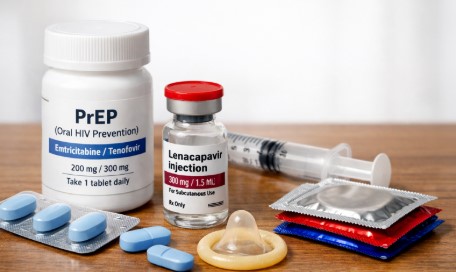
Today, `HIV prevention` encompasses a range of life-saving strategies and services: from accessible testing and counseling to groundbreaking pharmaceutical interventions like PrEP (Pre-Exposure Prophylaxis) and PEP (Post-Exposure Prophylaxis). PrEP, in particular, has been a game-changer, offering a highly effective way for HIV-negative individuals to prevent infection. However, the effectiveness of these tools hinges entirely on their accessibility, affordability, and widespread awareness, all of which require robust federal funding.
- Testing and Awareness: Regular HIV testing is the first line of defense, allowing individuals to know their status and access treatment or prevention tools. Funding supports community-based testing sites, outreach programs, and public awareness campaigns.
- PrEP and PEP Access: These medications are revolutionary, but their cost can be prohibitive for many. Federal funding helps subsidize these drugs, ensuring they reach those who need them most, especially in underserved communities.
- Education and Support Services: Beyond medication, effective prevention requires comprehensive sex education, harm reduction strategies, and support services for people living with HIV, reducing stigma and promoting holistic well-being.
- Research and Development: Continued investment in research is vital for improving existing treatments, developing new prevention methods, and ultimately, finding a cure.
Without sustained funding, these critical programs falter, leading to increased rates of infection, greater health disparities, and unnecessary suffering. Therefore, any legislative action that bolsters funding for HIV prevention is a victory for public health and a step towards justice for our community.
A History of Advocacy: Fighting for Our Health
The LGBTQ+ community’s journey with HIV/AIDS has been defined by fierce advocacy. When the crisis first emerged, met with governmental indifference and societal prejudice, it was activists and community organizers who took to the streets, demanding action, resources, and respect. Groups like ACT UP (AIDS Coalition to Unleash Power) brought visibility to the epidemic, pressured pharmaceutical companies for faster drug development, and pushed politicians to acknowledge and address the crisis.
This legacy of activism continues today, informing how we engage with political processes and fight for health equity. From lobbying for non-discrimination laws to advocating for comprehensive sexual health education, our community has learned that silence often equals death, and sustained, vocal advocacy is paramount. The current political maneuvering, while not initiated by direct community pressure, nevertheless opens a window of opportunity that seasoned advocates are ready to seize, pushing for robust, long-term commitments to `HIV prevention`.
The Nuances of Political Leverage: A Double-Edged Sword?
While the prospect of increased HIV prevention funding is cause for cautious optimism, it’s essential to analyze the circumstances with a critical eye. When crucial public health initiatives become pawns in political games, it raises important questions:
- Stability of Funding: Funding secured through political leverage rather than a bipartisan consensus on public health priorities can be vulnerable. What happens if the political calculus shifts, or if the senator’s personal dispute is resolved? Will the funding commitment remain?
- Ethical Considerations: Is it ethical for politicians to hold vital health funding hostage to achieve unrelated political goals? While the outcome may be beneficial, the process itself underscores a problematic aspect of political negotiation.
- Focus on Policy, Not Politics: Ideally, funding for life-saving programs like HIV prevention should be based on public health need and expert recommendations, not on individual politicians’ grievances.
Despite these caveats, pragmatism dictates that opportunities for progress must be seized. The LGBTQ+ community and its allies have long understood that political battles are rarely fought on purely moral grounds. Sometimes, progress comes from unexpected places and through unconventional means. The current situation presents a chance to secure funding that might otherwise be overlooked or deprioritized. It’s a strategic moment to reinforce the undeniable need for `HIV prevention` resources and ensure they are allocated effectively.
What This Means for the LGBTQ+ Community: Opportunities and Challenges
This political development offers both significant opportunities and persistent challenges for our community.
Opportunities:
- Increased Resources: The most direct benefit would be a surge in funding for HIV prevention programs, leading to wider access to PrEP/PEP, testing, and educational initiatives. This could translate directly into fewer new infections and improved health outcomes.
- Heightened Awareness: The very act of a Republican senator making this a condition for political action brings a degree of mainstream attention to `HIV prevention` that might not otherwise exist, potentially sparking broader public discourse and reducing stigma.
- Cross-Party Dialogue: While the motivation is specific, the outcome could potentially open doors for more bipartisan conversations about public health issues affecting the LGBTQ+ community, demonstrating that certain health priorities can transcend traditional political divides.
Challenges:
- Maintaining Momentum: The challenge lies in converting this moment of political leverage into sustained, long-term commitment. One-off funding is not enough; comprehensive, consistent investment is required to truly address the epidemic.
- Equitable Distribution: Ensuring that any new funding reaches the most vulnerable populations—including people of color, transgender individuals, and those in rural areas—remains a critical task. Funding must be distributed equitably, not just broadly.
- Distraction from Root Causes: While securing funding is vital, the community must also continue to address the systemic issues that contribute to HIV disparities, such as poverty, discrimination, lack of healthcare access, and stigma.
Beyond the Headlines: Sustained Advocacy and Community Empowerment
While we welcome any positive development, the LGBTQ+ community knows that the fight for health equity is an ongoing marathon, not a sprint driven by fleeting political headlines. This situation underscores the enduring importance of sustained advocacy.
Our work doesn’t stop with a single funding allocation. It involves:
- Voter Engagement: Electing officials at all levels of government who are committed to LGBTQ+ health and rights.
- Direct Lobbying: Continuously educating policymakers about the needs of our community and the impact of their decisions.
- Community Organizing: Building strong, resilient community networks that can mobilize rapidly in response to threats and opportunities. Just as events like the upcoming Trans-Mission Wembley concert unite us in solidarity and celebration, collective action is a powerful force for change, amplifying our voices and ensuring our needs are heard.
- Data and Research: Advocating for data collection that accurately reflects the health disparities within our diverse community, providing the evidence needed to make informed policy decisions.
The Role of Digital Spaces and Community Support
In today’s interconnected world, digital spaces play an invaluable role in informing, mobilizing, and supporting the LGBTQ+ community. Online platforms, forums, and chat groups provide safe havens for individuals to discuss sensitive health topics, share resources, and connect with others who understand their experiences. They are crucial for disseminating information about `HIV prevention`, connecting people to testing sites, and facilitating access to PrEP/PEP providers. These platforms also enable rapid response to political developments, allowing community members to organize and advocate effectively.
In a world where digital connections are paramount, understanding how to navigate these spaces safely is crucial. For those seeking secure environments to connect, learn, and discuss vital topics, exploring resources like the Secure Gay Chat Guide 2026: Ultimate Manual can be incredibly valuable, offering essential insights into digital privacy and safety, which are fundamental to fostering trust and openness within online communities dedicated to health and well-being. These digital avenues empower individuals to share personal stories, advocate for policy changes, and collectively push for a future where `HIV prevention` is universally accessible.
Conclusion: A Vigilant Path Forward
The situation with Senator Cornyn and HIV prevention funding is a complex tapestry of personal politics, public health imperatives, and the enduring struggle for LGBTQ+ equity. While the motivations behind the senator’s stance may be rooted in political retribution, the potential outcome—increased funding for life-saving `HIV prevention` programs—is a win that our community must embrace while remaining vigilant.
This episode is a powerful reminder that progress can come from unexpected places, but it is never guaranteed. It reinforces the need for our community to remain engaged, informed, and organized, continually pushing for policies that prioritize health, dignity, and equality for all. Let us use this moment not just to secure funding, but to re-energize our commitment to ending the HIV/AIDS epidemic, ensuring that every individual has the knowledge, resources, and support they need to live a full, healthy, and authentic life. Our collective strength and unwavering advocacy will continue to light the path forward.