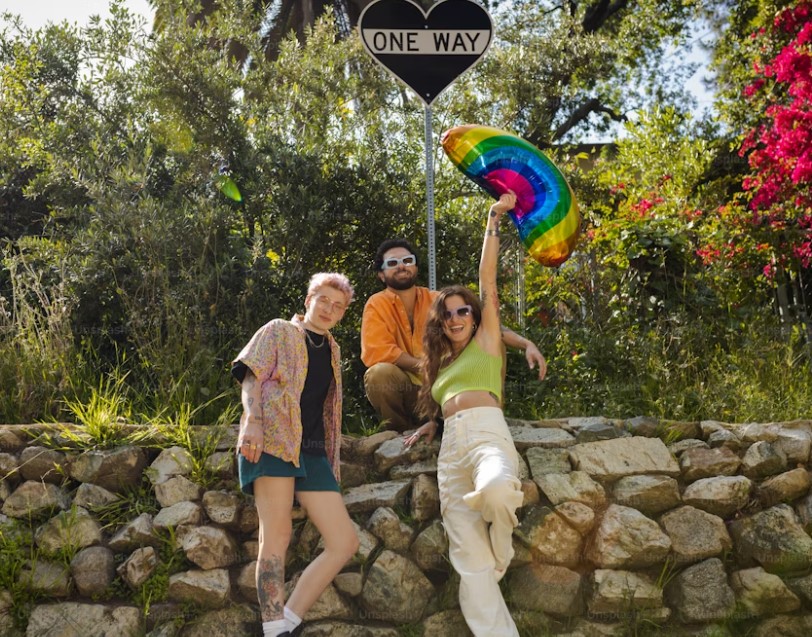
The Renaissance of Live Gay Chat Rooms: Why We’re Deleting the Apps in 2026
If the period from 2020 to 2024 was defined by the “infinite swipe” and the gamification of dating, 2026 is officially being recognized as the year of the “live conversation.” After nearly a decade of dominating our social lives, algorithm-driven dating apps are facing a massive backlash. The collective burnout from curated profiles, ghosting, and transactional matching has led to a powerful and undeniable resurgence of live gay chat rooms 2026. People are no longer looking for a “match”; they are looking for something that an app algorithm simply can’t provide: spontaneity, real-time collective energy, and a genuine sense of human presence.
The Deepening Problem with the Algorithm
By late 2025, a widespread realization took hold: dating apps were never designed to help you find a community or a partner; they were designed to keep you on the app, viewing ads and paying for subscriptions. The increasing user frustration with being “shadowbanned,” hidden behind expensive paywalls, or manipulated by engagement-baiting notifications has pushed a massive wave of users back toward independent, web-based platforms.
In a traditional gay chat site, the dynamic is fundamentally different. There are no secret algorithms deciding who you are allowed to see or talk to based on an unseen desirability score. You enter a room based on a shared interest or identity, you see who is currently active, and you have the agency to start a conversation with anyone. This simplicity, transparency, and user autonomy have become the ultimate luxury in the digital landscape of 2026.
Why Real-Time Connection Matters for Mental Health
Digital loneliness and social isolation reached all-time highs in the years leading up to 2026. Many sociologists and mental health experts point to the prevalence of “asynchronous communication”—sending a message and then waiting hours or even days for a reply,often agonizing over read receipts—as a major contributor to anxiety and feelings of disconnection.
Live gay chat rooms 2026 offer a powerful antidote: an immediate, real-time feedback loop. When you tell a joke in a busy chat room, you see people laughing instantly through text and emojis. When you share a personal struggle, someone offers words of support in real-time, right when you need to hear them. This immediacy mimics the natural rhythm of physical human interaction, which is vital for our mental and emotional well-being. This is especially critical for LGBTQ+ individuals living in rural or isolated areas where the nearest physical community center or “gay bar” might be hours away. The chat room becomes their primary, living connection to the community.
The Appeal of Anonymity and Authenticity
Another major driver of the 2026 renaissance is the collective desire to return to gay chat anonymous options. In an age where our every move, purchase, and preference is tracked, analyzed, and monetized by social media giants, the ability to have a deep, meaningful conversation without linking it to your LinkedIn profile, Facebook history, or Instagram feed is incredibly liberating.
This anonymity doesn’t just protect privacy; it fosters a deeper level of authenticity. When people aren’t performing for a “personal brand” or worrying about how a comment might affect their job prospects, they are freer to be their truest, messiest, and most honest selves. The conversations that result are often richer, more vulnerable, and more engaging than anything found on a curated profile.
Whether you’re looking for a spirited debate on the latest queer cinema, seeking advice on coming out to your family, or just want to find someone to share a laugh with at 3 AM, the “old school” chat room has been modernized and revitalized for the needs of 2026. It’s no longer just a place to meet; it has reclaimed its role as a vital digital town square—a place to belong.