From Olympic Heights to Gay Games Star: Portia Modise’s Groundbreaking Legacy
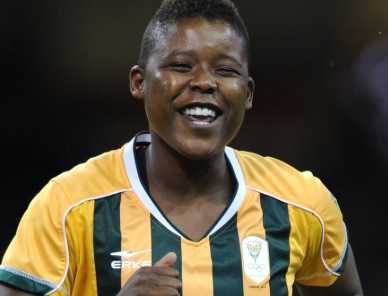
In the vibrant tapestry of global sports, where narratives of triumph, resilience, and identity intertwine, a new chapter is set to unfold that promises to captivate hearts and inspire millions. South African soccer legend Portia Modise, a formidable force who graced the pitches of the Olympics, is now poised to etch her name into another historic competition: the Gay Games. Her participation marks an extraordinary moment, not just for the tournament, but for the entire LGBTQ+ community, as an undeniable Gay Games Star steps onto the world stage, bringing with her a legacy of excellence and an inspiring beacon of visibility.
Modise’s journey from the dusty fields of Soweto to international stadiums is a testament to her unparalleled talent and unwavering determination. Nicknamed “Nthabeleng,” meaning ‘bring joy,’ she has done exactly that throughout her illustrious career, consistently breaking barriers and challenging perceptions. Her decision to join a history-making team at the Gay Games in Valencia isn’t just about athletic competition; it’s a powerful statement of solidarity, pride, and the enduring spirit of queer athletes worldwide. This isn’t merely a sporting event; it’s a cultural phenomenon, a celebration of diversity, and a profound affirmation of identity.
Who Is Portia Modise? A Legend Forged in Fire
To understand the magnitude of Modise’s involvement, one must first appreciate her colossal stature in the world of soccer. Portia Modise is not just a former Olympian; she is a true pioneer for women’s football in South Africa and across the African continent. Born in Soweto, she honed her skills on the streets, overcoming immense societal and economic challenges to become a professional athlete. Her career is decorated with milestones: she was the first African player, male or female, to score 100 international goals, a feat that firmly places her among the sport’s all-time greats. She represented South Africa at the 2012 London Olympics and captained the national team, Banyana Banyana, leading them with fierce passion and strategic brilliance.
Beyond her on-field prowess, Modise has always been unapologetically herself. She has openly identified as a lesbian, navigating a sporting landscape that, particularly in some parts of the world, can be hostile towards LGBTQ+ individuals. Her public identity has made her a quiet but powerful advocate, a role model whose existence alone sends a profound message of acceptance and possibility. Her journey embodies the struggles and triumphs of many queer athletes, making her transition to the Gay Games stage not just natural, but profoundly resonant.
The Gay Games: A Sanctuary of Sport and Solidarity
The Gay Games, often referred to as the “Olympics of the LGBTQ+ community,” is a quadrennial international multi-sport and cultural event open to all, regardless of sexual orientation, gender identity, race, religion, nationality, ethnic origin, political persuasion, athletic ability, or physical challenge. Founded in 1982 by Dr. Tom Waddell, an Olympic decathlete, the Games were born out of a desire to create an inclusive sporting event where LGBTQ+ individuals and their allies could compete without fear of discrimination, celebrating diversity and fostering self-esteem.
More than just a competition, the Gay Games are a vibrant festival of culture, community, and human spirit. They embody the principles of Participation, Inclusion, and Personal Best – a philosophy that encourages everyone to take part, celebrate their identity, and strive for their own personal excellence, rather than focusing solely on winning. From track and field to swimming, volleyball to dance, the Games offer a vast array of events, culminating in a week-long celebration that transcends sport, fostering global friendships and building a stronger, more visible LGBTQ+ community.
The Unfolding Impact of a Gay Games Star
Portia Modise’s participation elevates the Gay Games to an unprecedented level of visibility and prestige. Her star power will undoubtedly attract broader media attention, shining a brighter spotlight on the event and its profound mission. For aspiring queer athletes, especially those from marginalized communities, seeing an Olympic-level athlete like Modise openly compete and celebrate her identity at the Gay Games sends an electrifying message: You belong here. You can achieve greatness. Your identity is a source of strength, not a barrier.
This increased visibility has far-reaching implications. It challenges lingering stereotypes about LGBTQ+ people in sports, demonstrating that talent, dedication, and athletic prowess know no sexual orientation or gender identity. It helps to normalize queer participation in mainstream sports discourse and provides a powerful counter-narrative to the discrimination and homophobia that still plague many sporting environments globally. Modise’s presence transforms the Gay Games into an even more potent platform for advocacy, encouraging dialogue and pushing for greater inclusivity across all levels of sport.
Intersectionality: A Deeper Dive into Modise’s Significance
Modise’s impact is further amplified by her intersectional identity as a Black, queer woman from South Africa. In many parts of Africa, LGBTQ+ rights are severely restricted, and homophobia remains rampant, often fueled by cultural and religious conservatism. For a prominent figure like Modise to openly embrace her identity and compete on such a platform is an act of profound courage and defiance. She becomes a symbol of hope for countless individuals living in similar circumstances, demonstrating that it is possible to be both celebrated and authentic.
Her story highlights the unique challenges faced by LGBTQ+ athletes of color, who often contend with layers of discrimination based on race, gender, and sexual orientation. By stepping into the limelight as a Gay Games Star, Modise not only champions LGBTQ+ equality but also racial justice and gender equity within the sporting world. Her participation underscores the fact that the fight for equality is multifaceted and that true liberation requires addressing all forms of oppression simultaneously.
Building Bridges: From Digital Spaces to Global Stages
The Gay Games, much like online communities, offers a vital space for connection and belonging. In a world that can often feel isolating, particularly for those who are marginalized, finding safe and affirming environments is crucial. The spirit of the Gay Games mirrors the foundational need for digital platforms that facilitate genuine connection and support within the LGBTQ+ community. Just as athletes travel from across the globe to find camaraderie and competition in Valencia, many individuals seek out online spaces for understanding and shared experience.
For those navigating their identity or seeking connection, the internet provides invaluable resources. Finding safe and reliable platforms is paramount. For anyone looking to engage with fellow community members in a secure and private environment, understanding how to protect personal information and foster authentic dialogue is key. This is where resources like a secure gay chat guide become indispensable, offering practical advice on navigating online interactions safely and effectively, ensuring that digital spaces are as welcoming and protective as the Gay Games itself.
The synergy between physical gatherings like the Gay Games and robust online communities demonstrates the multifaceted ways in which the LGBTQ+ community builds strength, fosters solidarity, and expands its reach globally. Both serve as essential infrastructure for connection, education, and mutual support, reinforcing the idea that no one has to face their journey alone.
Solidarity in Sport and Beyond: A Cultural Phenomenon
The Gay Games are not just about who wins the medals; they are about fostering a sense of collective identity and shared purpose. This spirit of solidarity extends beyond the playing fields, permeating cultural events and artistic expressions that accompany the Games. It’s a powerful demonstration of how diverse talents and voices come together to create something truly magnificent, much like the broader cultural movements that celebrate LGBTQ+ identity.
Think of it as a grand, global affirmation, a living testament to the power of unity. This collective energy is mirrored in other landmark events that bring the community together, from pride parades to cultural celebrations. For example, the spirit of solidarity and vibrant self-expression seen at the Gay Games resonates deeply with initiatives that amplify queer voices through art and performance, such as the Trans-Mission Wembley Concert 2026. These events, whether on a sports field or a concert stage, serve as crucial platforms for visibility, activism, and the celebration of LGBTQ+ lives in all their glorious forms.
Such gatherings reinforce the message that the LGBTQ+ community is a powerful, diverse force, capable of creating its own spaces for joy, competition, and cultural exchange. They highlight the ongoing evolution of queer culture, demonstrating how it continues to flourish and break new ground, inspiring individuals and challenging societal norms.
A Legacy That Transcends the Field
Portia Modise’s decision to compete at the Gay Games is more than just a personal endeavor; it is a profound contribution to the legacy of LGBTQ+ inclusion in sports. Her presence will inspire countless individuals to embrace their true selves, pursue their athletic dreams, and seek out communities where they feel accepted and celebrated. It reinforces the idea that true heroism lies not just in winning, but in living authentically and advocating for a more equitable world.
The Gay Games continue to grow in scope and influence, and with icons like Portia Modise lending their formidable presence, their impact will only continue to amplify. These Games are a powerful reminder that sport has the unique ability to unite, empower, and transform, serving as a microcosm of the larger movement for social justice and human rights.
Conclusion: Celebrating a New Chapter of Visibility and Victory
As Portia Modise prepares to take the field at the Gay Games in Valencia, the world watches, not just for the athletic spectacle, but for the profound statement her presence makes. She arrives as more than just an Olympian; she comes as a trailblazer, a role model, and a living embodiment of courage and pride. Her participation as a Gay Games Star will undoubtedly leave an indelible mark, inspiring a new generation to live authentically, compete fiercely, and celebrate the rich diversity that makes our global community so vibrant.
The Gay Games stand as a testament to the enduring power of sport to foster connection, challenge prejudice, and celebrate the human spirit in all its forms. With Modise’s leadership and the collective energy of thousands of athletes and supporters, the 2026 Gay Games are set to be an unforgettable chapter in the ongoing narrative of equality, visibility, and victory for the LGBTQ+ community.