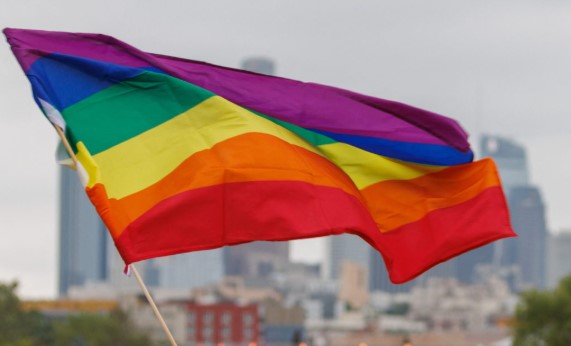
The Evolving Landscape of Queer Community Spaces: Why Pasadena’s Silence Speaks Volumes
The recent query in the L.A. Times Concierge, “I moved to Pasadena. Where are all the queer bars?” isn’t just a local question; it’s a profound echo of a sentiment felt across countless communities, sparking a deep dive into the evolving nature of Queer Community Spaces. For many, a new city means searching for their tribe, their chosen family, and the vibrant pulse of queer life. When that search yields little in the way of physical, dedicated spaces, it raises questions about where our community gathers, connects, and thrives in an increasingly digitized world.
Pasadena’s Queer Desert: A Microcosm of a Larger Trend?
Pasadena, a city known for its historic architecture, cultural institutions, and Rose Parade, seemingly lacks a visible, dedicated LGBTQ+ bar scene. This isn’t unique to Pasadena. Across North America and beyond, traditional queer bars and nightlife venues have been closing at an alarming rate for the past two decades. The reasons are multifaceted, complex, and reveal much about the shifting sands beneath our community’s feet.
- Gentrification and Rising Rents: Urban redevelopment often pushes out independent, community-focused businesses in favor of more lucrative ventures. Queer establishments, often operating on thinner margins, are particularly vulnerable.
- Assimilation and Mainstreaming: As LGBTQ+ individuals gain more rights and acceptance in mainstream society, the perceived need for exclusively queer spaces has, for some, diminished. While a positive step forward in terms of equality, it has inadvertently impacted the patronage of traditional venues.
- The Rise of Online Connection: Dating apps, social media, and dedicated chat platforms have fundamentally altered how queer people meet, socialize, and form relationships. The digital realm offers a convenience and accessibility that physical spaces sometimes struggle to match.
- Changing Demographics and Preferences: Younger generations may seek different forms of social interaction, moving beyond the traditional bar scene towards diverse sober events, community centers, or interest-based groups.
The Historical Significance of Queer Bars: More Than Just Drinks
To understand the gravity of their disappearance, we must first appreciate the historical role of queer bars. For decades, they were not merely places to grab a drink; they were sanctuaries. In a world that often criminalized, ostracized, or ignored LGBTQ+ individuals, bars were often the only places where one could openly be oneself, find solidarity, and experience a sense of belonging.
- Safe Havens: Before widespread legal protections, queer bars were critical safe spaces from police harassment and societal prejudice. They offered refuge and a sense of shared experience.
- Community Hubs: These venues served as de facto community centers, fostering friendships, romances, and chosen families. They were places where identities could be explored and affirmed.
- Political Incubators: Many pivotal moments in LGBTQ+ activism, including the Stonewall Uprising, were born out of the resistance and community forged within these very bars. They were fertile ground for organizing and advocacy.
- Cultural Touchstones: From drag shows to dance nights, queer bars were vibrant epicenters of queer culture, shaping aesthetics, music, and performance art that eventually influenced mainstream culture.
The absence of these spaces leaves a void, particularly for those new to a city or coming out later in life, who might miss the spontaneous encounters and organic community building that physical spaces facilitate.
The Digital Shift: New Frontiers for Connection
In the wake of declining physical spaces, the internet has stepped in to fill some of the gaps, fundamentally reshaping how we connect. Dating apps like Grindr and Scruff, social media groups, and dedicated online chat platforms now serve as primary meeting grounds for many. This shift offers both incredible opportunities and unique challenges.
Pros of Online Queer Spaces:
- Accessibility: For those in rural areas or cities with limited physical queer spaces (like Pasadena), online platforms provide an immediate, accessible way to connect with others.
- Anonymity and Safety: Online interactions can offer a layer of anonymity that might feel safer for those not yet ready to be out in their everyday lives, or for those facing significant threats in their physical environment. It’s crucial, however, to prioritize digital safety. For those navigating these new frontiers, a robust understanding of how to protect oneself online is paramount. A secure gay chat guide, such as one anticipating the needs of 2026, can provide essential tools and knowledge for ensuring privacy and well-being in digital interactions.
- Niche Connections: Online platforms can help individuals find others with very specific interests, identities, or kinks, fostering more tailored communities.
- Global Reach: The internet transcends geographical boundaries, allowing for international friendships and a broader understanding of global queer experiences.
Cons of Online Queer Spaces:
- Screen Fatigue and Superficiality: Constant digital interaction can lead to burnout. The curated nature of online profiles can also sometimes lead to superficial connections rather than deep, authentic relationships.
- Safety and Privacy Concerns: Despite their potential for anonymity, online spaces come with their own set of risks, from catfishing to doxing. The importance of vigilance and digital literacy cannot be overstated.
- Loss of Serendipity: The magic of an unexpected encounter in a bustling bar, a shared glance across a dance floor, or an impromptu conversation with a stranger is difficult to replicate online.
- Digital Divide: Not everyone has equal access to technology or reliable internet, leaving some members of the community potentially isolated.
Beyond the Bar: Diversifying Queer Community Spaces
The conversation about Queer Community Spaces isn’t solely about bars. It’s about finding spaces where LGBTQ+ individuals can feel seen, affirmed, and connected. As traditional venues decline, other forms of community gathering are emerging or gaining renewed importance:
- Community Centers: Often offering a range of services from counseling to social events, these centers are vital hubs for support and connection, catering to diverse needs beyond nightlife.
- Queer-Owned Businesses: Coffee shops, bookstores, restaurants, and retail stores that are openly queer-owned or queer-friendly can create ‘soft’ spaces for community to coalesce during the day.
- Activist Groups and Organizations: Local LGBTQ+ advocacy groups, volunteer opportunities, and social justice initiatives provide avenues for connection centered around shared purpose and values.
- Cultural and Arts Events: Queer film festivals, art exhibitions, theater productions, and live music nights offer structured social opportunities that celebrate queer talent and storytelling. Cultural representation, for instance, on shows like Bridgerton Season 5 featuring queer romance, helps to normalize and celebrate queer love stories, creating a sense of belonging through shared narratives even if not in a physical space.
- Sober Spaces: Recognizing that not all queer people drink or feel comfortable in bar environments, sober meetups, cafes, and events are increasingly important for inclusivity.
- Sports and Recreation Leagues: LGBTQ+ sports leagues (bowling, soccer, running clubs, etc.) provide healthy, active ways to build community and friendships outside of traditional nightlife.
The Economic Realities and the Call for Support
Maintaining physical Queer Community Spaces is economically challenging. High rents, insurance, staffing, and the need for constant innovation to attract patrons all contribute to a difficult business environment. Many queer venues operate not just as businesses but as community services, often taking on roles like safe navigation, advocacy, and fundraising.
For these spaces to survive and thrive, they require intentional support from the community they serve. This means not just patronizing them, but also advocating for their preservation, exploring creative funding models, and supporting policies that protect small, independent businesses from predatory gentrification.
The Future of Queer Community Spaces: A Hybrid Model?
The experience of Pasadena, and many other cities, suggests that the future of Queer Community Spaces will likely be a hybrid one. It will involve a dynamic interplay between:
- Revitalized Physical Hubs: A renewed commitment to creating and sustaining diverse physical spaces – not just bars, but also community centers, cafes, bookstores, and multi-purpose venues that cater to the full spectrum of queer life.
- Robust Digital Networks: Harnessing the power of online platforms to connect individuals, disseminate information, and organize events, while actively working to mitigate their risks.
- Pop-up and Event-Based Gatherings: Flexible, temporary spaces and events (parties, film screenings, workshops) that can bring queer people together without the overhead of a permanent establishment.
- Intentional Community Building: A conscious effort by individuals and organizations to seek out and create connections, whether through volunteering, joining groups, or simply reaching out to new neighbors.
The goal isn’t necessarily to recreate the bar scene of the past, but to ensure that every queer person, regardless of where they live, has access to spaces – both physical and digital – where they feel safe, celebrated, and connected.
Pasadena and Beyond: What Can We Do?
For those in Pasadena asking “Where are all the queer bars?” and for others in similar situations, the answer lies in action and intentionality:
- Seek Out Existing Spaces: Research local LGBTQ+ community centers, PFLAG chapters, or university queer resource centers. These often host events or have bulletin boards for local meetups.
- Utilize Online Resources: Join local LGBTQ+ Facebook groups, Meetup groups, or use dating apps with the intention of making friends and finding community, not just romance.
- Support Queer-Owned Businesses: Even if not explicitly a ‘queer bar,’ patronize any local business that is openly LGBTQ+ affirming or owned.
- Organize Your Own: If the spaces don’t exist, create them! Start a queer book club, a hiking group, a board game night, or a monthly potluck. Often, all it takes is one person to initiate.
- Advocate for Change: Engage with local government and community leaders to express the need for LGBTQ+ resources and spaces.
The search for Queer Community Spaces is an ongoing journey, reflecting our growth, our challenges, and our enduring need for connection. While the landscape may be changing, the spirit of community, resilience, and belonging remains as vibrant as ever. Whether in a bustling urban bar or a quiet online chat, the pursuit of queer connection continues to define us.