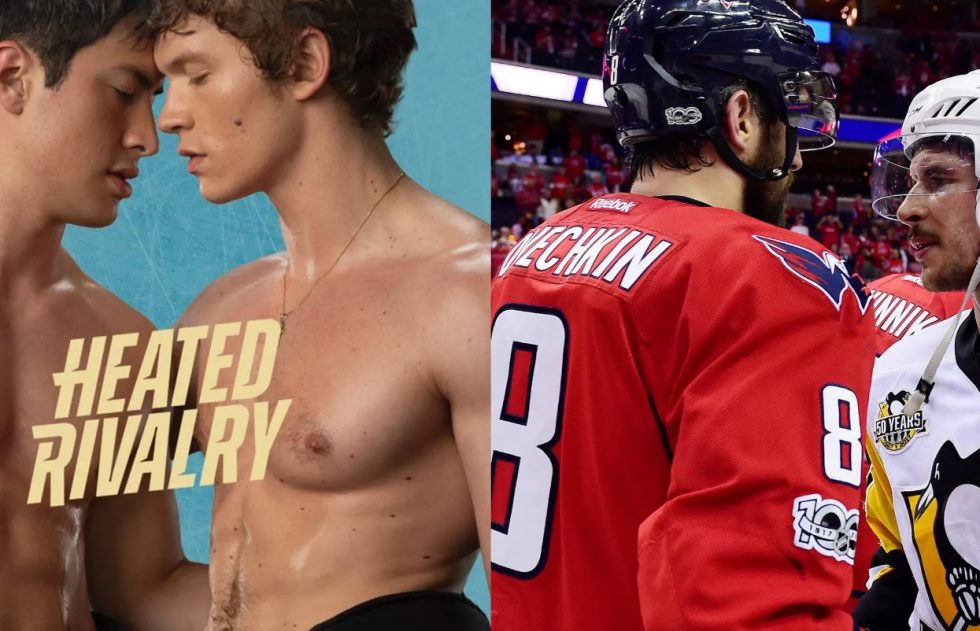
The Stage is Set: Why ‘Heated Rivalry’ as a Parody Musical is a Triumph for Queer Romance Musicals
In a world increasingly hungry for diverse narratives and authentic representation, the news that Rachel Reid’s beloved ‘Heated Rivalry’ — a cornerstone of contemporary M/M romance — is getting an Off-Broadway musical parody is nothing short of revolutionary. This isn’t just another adaptation; it’s a momentous validation, a vibrant celebration, and a powerful signal about the evolving landscape of storytelling. For fans of the genre and the broader LGBTQ+ community, this development for Queer Romance Musicals marks a significant milestone, underscoring the genre’s undeniable cultural impact and its journey from digital pages to the bright lights of the New York stage.
The journey of M/M romance, often nurtured in the passionate communities of online fan fiction, has been a fascinating one. What started as a niche subgenre, often overlooked or dismissed by mainstream publishing, has blossomed into a publishing powerhouse, celebrated for its complex characters, deep emotional arcs, and, of course, its unapologetic focus on queer love stories. ‘Heated Rivalry,’ part of Reid’s ‘Game Changers’ series, stands as a testament to this growth, captivating readers with its compelling story of two rival hockey players navigating a secret, fiery relationship. Its transition to an Off-Broadway musical parody isn’t just about bringing a story to life; it’s about acknowledging the immense cultural weight and the devoted following these narratives command.
From Niche to Mainstream: The Ascendance of M/M Romance
For years, M/M romance found its primary home in online archives, independent publishing, and the close-knit communities of fan fiction writers and readers. These digital spaces were fertile ground for experimentation, allowing authors to explore themes and relationships often deemed too ‘risky’ or ‘unmarketable’ by traditional publishers. The internet democratized storytelling, giving voice to countless queer love stories that might otherwise have remained untold.
- Authenticity and Representation: M/M romance often prioritizes the internal lives and emotional journeys of its queer characters, offering a refreshing departure from narratives where LGBTQ+ identity is merely a plot device or a source of tragedy. Readers find themselves reflected in these stories, fostering a sense of belonging and understanding.
- Community Building: Online platforms, forums, and chat groups became vital spaces for readers to discuss their favorite pairings, recommend new authors, and connect over shared passions. This strong, engaged community has been instrumental in the genre’s growth and visibility.
- Breaking Tropes: While M/M romance certainly has its own beloved tropes, it often challenges the heteronormative structures prevalent in much of mainstream romance, offering alternative visions of partnership, family, and happily-ever-afters.
‘Heated Rivalry’ exemplifies the best of this genre: a compelling plot, characters you can’t help but root for, and a romance that is both steamy and deeply emotional. Its success isn’t just about good storytelling; it’s about tapping into a hunger for narratives that celebrate queer love in all its messy, glorious complexity. The move to Off-Broadway signals that this hunger is no longer confined to digital spaces but is now demanding a presence on the most hallowed stages.
The Power of Parody: A Celebration and a Critique
The choice to adapt ‘Heated Rivalry’ as a musical parody is particularly insightful. Parody, at its best, is a sophisticated form of flattery. It requires a deep understanding and affection for the source material, coupled with a keen eye for its conventions and quirks. By lampooning beloved elements, a parody doesn’t diminish the original; it elevates it, drawing attention to its unique qualities and inviting a broader audience to appreciate its charm.
For ‘Heated Rivalry,’ a parody could:
- Introduce New Audiences: Those unfamiliar with M/M romance might be drawn in by the promise of humor and a fresh theatrical experience, potentially leading them to discover the original books.
- Validate the Genre: To be parodied on an Off-Broadway stage means a story has achieved a certain level of cultural penetration and recognition. It says, ‘This story, this genre, is significant enough to warrant this kind of attention.’
- Engage Fans in a New Way: Dedicated fans will relish seeing their favorite moments and characters reimagined through a comedic, musical lens, offering a communal experience that celebrates their shared love for the story.
This musical parody isn’t just a laugh; it’s an affirmation of the M/M romance genre’s place in the cultural zeitgeist. It acknowledges that these stories are not only valid but also ripe for theatrical exploration, humor, and a shared, live experience.
Queer Narratives on Stage: A Legacy and a Future
Theatre has long been a space for queer voices, from clandestine performances to groundbreaking works that pushed societal boundaries. However, explicit, celebratory queer romance narratives, particularly those centered on male-male relationships without tragic endings, have historically been less common in mainstream theatre. The Off-Broadway debut of a ‘Heated Rivalry’ parody marks a significant step in this evolution.
It joins a growing wave of theatrical productions that are bringing queer stories to the forefront, offering diverse representations beyond traditional coming-out narratives or stories of struggle. It speaks to a desire for joy, love, and lightheartedness within queer storytelling, mirroring the demand seen in other media, such as the increasing inclusion of queer romance in popular TV series. For instance, the excitement around storylines like those teased in Bridgerton Season 5’s Queer Romance for Francesca and Michaela illustrates this broader shift towards more inclusive and prominent queer love stories across all entertainment platforms.
This musical helps solidify the idea that queer love stories are not just for queer audiences; they are universal tales of connection, conflict, and triumph that resonate with everyone. The humor of a parody can often be the most effective way to bridge gaps, inviting diverse audiences to connect with characters and themes they might not typically encounter.
The Role of Online Communities and Digital Life
The journey of ‘Heated Rivalry’ from digital pages to the stage highlights the incredible power of online communities and digital life in shaping cultural trends. It’s in these virtual spaces that M/M romance thrives, where fan discussions ignite, and where stories find their most passionate advocates. Online chat rooms, forums, and social media platforms have been crucial in creating dedicated fanbases that can propel a story from obscurity to widespread recognition.
These digital communities are not just passive consumers; they are active participants, sharing fan art, fan fiction, theories, and engaging in lively debates. This dynamic interaction fosters a sense of collective ownership and enthusiasm that is unparalleled. For many, online platforms provide safe spaces to explore their identities, discuss shared interests, and build connections, much like the characters in M/M romance often find solace and understanding within their relationships. While engaging in these vibrant online worlds, it’s always important to prioritize personal safety and digital well-being. For those seeking to connect in the LGBTQ+ community, a resource like the Secure Gay Chat Guide 2026: The Ultimate Manual can offer invaluable advice on navigating online interactions securely and anonymously, ensuring that engagement remains a positive and safe experience.
The transition of ‘Heated Rivalry’ to an Off-Broadway production is a direct reflection of this digital power. It demonstrates how grassroots enthusiasm, cultivated online, can translate into tangible real-world success, proving that the voices and preferences of online communities cannot be ignored.
What This Means for the Future of Queer Storytelling
The announcement of the ‘Heated Rivalry’ musical parody is more than just news; it’s a declaration. It signals:
- Increased Investment: Mainstream producers and investors are recognizing the commercial and cultural viability of queer-centric content. This can lead to more opportunities for queer writers, directors, and performers.
- Broader Acceptance: As these stories gain more visibility, they normalize queer relationships and experiences for wider audiences, chipping away at prejudice and fostering greater understanding.
- Diverse Storytelling: The success of M/M romance encourages exploration of other underserved queer narratives, opening doors for stories about trans characters, non-binary individuals, and other diverse identities within the LGBTQ+ spectrum.
- The Power of Fandom: It reaffirms that dedicated fanbases are not just consumers but powerful engines that can drive cultural change and demand for representation.
This Off-Broadway musical parody isn’t just a fleeting moment of entertainment; it’s a marker in the ongoing evolution of queer representation. It celebrates a genre that has, for too long, been marginalized, and it brings its rich, emotional, and often humorous stories to a grander stage. It’s a testament to the power of love, the strength of community, and the undeniable charm of a well-told queer romance.
Conclusion: A Standing Ovation for Queer Love
The journey of ‘Heated Rivalry’ from beloved M/M romance novel to an Off-Broadway musical parody is a resounding victory. It’s a victory for the authors who dared to tell these stories, for the readers who championed them, and for the LGBTQ+ community yearning to see their loves and lives reflected with authenticity and joy. This musical isn’t just about hockey players falling in love; it’s about the continued expansion of what stories are deemed worthy of our attention, our laughter, and our stages.
As the curtains prepare to rise on this exciting new production, we celebrate not just a show, but a movement. A movement that asserts the vibrancy and vitality of Queer Romance Musicals, and indeed, all queer art. It’s a reminder that love, in all its forms, deserves to be sung, parodied, and celebrated on every stage, big or small. Go see it, embrace it, and continue to champion the diverse, rich tapestry of queer storytelling that enriches us all.