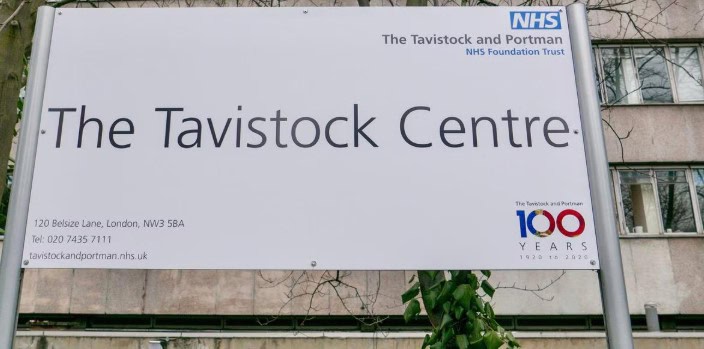
The landscape of transgender healthcare in the United Kingdom has reached a devastating tipping point. As of February 25, 2026, puberty-suppressing hormones—commonly known as puberty blockers—have become officially and completely inaccessible for transgender minors following the unexpected pause of the NHS clinical trial. This development follows years of escalating restrictions and serves as a definitive blow to families who had pinned their hopes on the promised clinical research framework. For thousands of young people, the NHS puberty blockers inaccessible trans youth 2026 reality is not just a policy change; it is an immediate threat to their long-term well-being and bodily autonomy.
The Collapse of the Clinical Trial Framework The NHS had previously halted the routine prescription of puberty blockers in 2024, citing a lack of long-term evidence. However, a “clinical trial” was supposed to offer a pathway for eligible youth. The announcement today that even this trial has been paused indefinitely means that no new patients can access this life-saving care within the public health system. Critics argue that the pause is politically motivated, part of a broader trend of legislative erasure seen across Western nations in early 2026. This move echoes the federal threats outlined in the recent Trump State of the Union trans rights 2026 address, suggesting a synchronized rollback of trans healthcare across the Atlantic.
A Tale of Two Europes: London vs. Amsterdam The UK’s restrictive stance creates a jarring contrast with the inclusive policies of its European neighbors. While London shuts down access, the Netherlands continues to set the gold standard for gender-affirming care. Under the leadership of Rob Jetten, the first gay Prime Minister of the Netherlands, Dutch healthcare policies have focused on early intervention and psychological support, treating trans identity as a medical reality rather than a political debate. The “Jetten Model” proves that when leadership prioritizes human dignity, healthcare systems can evolve to meet the needs of all citizens. The divergence between the UK and the Netherlands highlights a growing “rights gap” within the continent that many fear will lead to a new era of medical migration.
The Mental Health Fallout and Digital Lifelines The sudden total loss of access to puberty blockers has triggered a mental health emergency among trans youth and their families. The psychological stress of forced biological puberty—often described as “wrong-body trauma”—is immense. As we’ve analyzed in our coverage of LGBTQ AI mental health support 2026, digital tools are now the primary line of defense for these marginalized youth. AI-driven counseling and crisis intervention platforms are seeing record-breaking engagement from UK users, providing the validation and support that the NHS is currently withholding.
Conclusion: The Battle for the Future of Healthcare The NHS puberty blockers inaccessible trans youth 2026 crisis is a wake-up call for the global LGBTQ+ community. As we track the shifting LGBTQ identity laws 2026, it is clear that healthcare is the new primary battleground for civil rights. At gay-chat.org, we remain committed to documenting these regressions and providing resources for those left behind by their own institutions. The fight for the right to grow up authentically is far from over, but in 2026, the road has become significantly steeper.