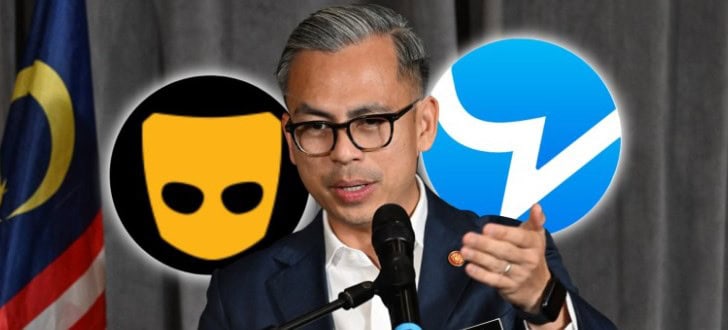
In an escalating wave of state-sponsored digital censorship, the Malaysian government has officially blocked access to major LGBTQ+ dating platforms, including Grindr and Blued. As of February 25, 2026, the Malaysian Communications and Multimedia Commission (MCMC) has enforced these restrictions under the guise of “protecting public morality,” marking a significant expansion of the country’s anti-LGBTQ+ crackdown. This move not only isolates the local queer community but also signals a dangerous trend of “digital erasure” that is becoming increasingly common in Southeast Asia and beyond in mid-2020s.
The Rise of Digital Surveillance and Erasure The Malaysia blocks Grindr and Blued 2026 directive is part of a broader legislative strategy to criminalize LGBTQ+ life in the digital sphere. By cutting off these apps, the state aims to dismantle the infrastructure that allows queer individuals to meet, organize, and support one each other. This digital wall is a physical manifestation of the LGBTQ identity laws 2026 we are seeing globally, where governments use technology to police private behavior. In Malaysia, where same-sex acts are already criminalized, the loss of these apps puts users at even greater risk of entrapment and harassment.
Safe Havens in a Hostile Web: The Role of Menchats When major dating apps are weaponized or blocked by the state, the community instinctively seeks out more secure and community-driven platforms. This is where spaces like Menchats become indispensable. Unlike public dating apps that can be easily monitored or blocked, specialized queer chat communities offer a level of peer-to-peer connection that state censors find harder to dismantle. In 2026, these “digital safe houses” are not just social luxuries; they are vital survival tools for individuals living under regimes that seek to deny their existence.
A Global Contrast in Digital Freedom The crackdown in Malaysia stands in direct opposition to the digital progress seen in the West. For instance, in the Netherlands, the “Jetten Era” under Prime Minister Rob Jetten has seen the government actively protecting digital queer spaces as a matter of civil rights. The difference between a government that blocks Grindr and one that protects its citizens’ right to digital association is the difference between an autocracy and a functioning democracy in 2026. The Malaysian ban is a reminder that digital rights are human rights, and they are currently under siege in multiple hemispheres.
Psychological Resilience and AI Support The isolation caused by these blocks can have a devastating impact on the mental health of LGBTQ+ Malaysians. Feeling “disconnected” from the global community can lead to profound depression and fear. To combat this, many are turning to LGBTQ AI mental health support 2026 tools that can be accessed through VPNs. These AI-driven resources provide a confidential way for users to process the stress of state-sponsored discrimination, offering a “pastoral” presence in a digital landscape that has become increasingly hostile.
Conclusion: Bypassing the Block While Malaysia blocks Grindr and Blued 2026, the community’s will to connect remains unbroken. Through the use of secure chat rooms, VPNs, and peer-driven platforms like gay-chat.org, the queer community continues to find ways to bypass these digital walls. The struggle in Malaysia is a microcosm of a global battle for the future of the internet: will it be a tool for liberation, or a weapon for the state? As of 2026, the answer is still being written by those who refuse to be silenced.