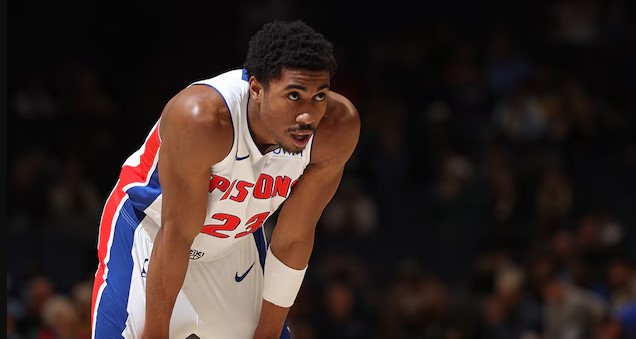
Beyond the Buzzer: The Critical Role of Allyship in Sports After the Jaden Ivey Incident
The world of professional sports, often seen as a bastion of tradition and fierce competition, is also a powerful reflection of our evolving society. It’s a stage where cultural shifts play out, and where the values we champion as a society are increasingly put to the test. Recently, the Chicago Bulls made a significant statement, signaling a clear shift in what is deemed acceptable conduct within professional athletic circles. The decision to waive guard Jaden Ivey following anti-LGBTQ+ comments has sent ripples through the sports world, bringing the critical conversation around Allyship in Sports to the forefront.
This deep dive isn’t just about a single incident; it’s about the broader implications for inclusivity, accountability, and the power of standing up for human dignity within professional athletic communities. It’s a moment that underscores the growing demand for athletes, teams, and leagues to not only embrace diversity but actively champion it.
The Unfolding Story: A Stance Against Hate
The Incident and Immediate Fallout
While the specific details of Jaden Ivey’s anti-LGBTQ+ comments have not been widely publicized, their nature was severe enough to warrant swift and decisive action from the Chicago Bulls organization. In an era where public figures’ words are amplified instantly through social media, such comments carry significant weight and can cause widespread harm.
The Bulls’ response was unequivocal. By choosing to waive Ivey, they sent a clear message: hate speech and discriminatory remarks have no place within their organization. This wasn’t merely a slap on the wrist; it was a termination of employment, a move that carries substantial professional and financial consequences for the athlete. This immediate fallout highlights a growing trend among professional sports teams to align their actions with a commitment to social responsibility and inclusivity, driven in part by an increasingly aware and demanding fan base.
Why This Matters: More Than Just a Game
- Athletes as Role Models: Professional athletes, particularly in leagues with massive global reach like the NBA, are more than just players; they are public figures and role models. Their words and actions resonate far beyond the court or field, influencing countless fans, especially young and impressionable individuals. When an athlete makes anti-LGBTQ+ remarks, it can validate prejudice, foster environments of fear, and deeply wound LGBTQ+ youth who often look to these figures for inspiration.
- Team Responsibility: A professional sports team is not just an entertainment entity; it’s an employer, a community pillar, and a brand. Teams have a responsibility to foster a safe and respectful environment for their employees, their fans, and the broader community they represent. Allowing discriminatory views to persist unchallenged undermines this responsibility and erodes trust.
- Impact on LGBTQ+ Individuals: For LGBTQ+ fans, athletes, and staff, such comments create an unwelcoming, and potentially hostile, atmosphere. It sends a message that their identities are not valued or respected, contradicting the spirit of sportsmanship and fair play that leagues often espouse.
The Evolving Landscape of Professional Sports and Inclusivity
A Shift in Values: From Locker Rooms to Boardrooms
For decades, professional sports, particularly male-dominated leagues, were often seen as bastions of traditional masculinity, sometimes resistant to social change. Homophobia and transphobia, while perhaps not openly condoned, were often implicitly tolerated or simply ignored in locker room culture. However, the last decade has seen a remarkable, though often challenging, evolution.
- Increasing Visibility: We’ve witnessed a growing number of athletes, both active and retired, bravely come out as LGBTQ+, sharing their authentic selves with the world. This includes trailblazers in various sports, from basketball to soccer to football.
- Team and League Initiatives: Many leagues, including the NBA, now actively participate in Pride events, implement anti-discrimination policies, and launch campaigns promoting inclusivity. These efforts, while sometimes criticized as performative, are nonetheless significant steps in shifting the cultural narrative within sports.
- Fan Engagement: The fan base itself has become more diverse and vocal, demanding that their favorite teams and athletes reflect inclusive values. Social media has played a crucial role in empowering fans to hold organizations accountable.
The Business Case for Inclusion
Beyond the moral imperative, there’s a strong business case for inclusion in professional sports:
- Brand Image and Reputation: In today’s hyper-connected world, a team’s reputation is paramount. Taking a stand against discrimination enhances a team’s brand image, appealing to a broader, more progressive audience and potentially attracting new fans. Conversely, tolerating bigotry can lead to public backlash and damage a brand.
- Fan Base Loyalty: An inclusive team fosters deeper loyalty among diverse fan segments. When fans feel seen, respected, and welcomed, they are more likely to support the team through ticket sales, merchandise, and viewership.
- Sponsorships and Partnerships: Corporate sponsors are increasingly conscious of the social values upheld by the teams and leagues they partner with. Brands eager to connect with diverse consumers are more likely to align with organizations that demonstrate a genuine commitment to inclusion.
- Attracting Diverse Talent: A truly inclusive environment is attractive to diverse talent, not just in terms of player demographics but also staff and management. Athletes, like any other professionals, want to work in an environment where they feel safe, respected, and valued for who they are.
Accountability and Consequences: Setting a Precedent
The Power of a “Waive”
The Chicago Bulls’ decision to waive Jaden Ivey is more than just a personnel move; it’s a powerful statement of accountability. In professional sports, a player being waived can have significant financial implications, often resulting in lost salary and potentially impacting future career prospects. This action signals that organizations are willing to enforce their values with tangible consequences, moving beyond mere statements of condemnation.
This contrasts sharply with past eras where athletes could often make discriminatory remarks with little to no professional repercussions. The Bulls’ move sets a precedent, indicating that anti-LGBTQ+ comments are not simply controversial opinions, but a breach of professional conduct that will not be tolerated. This decision contributes to raising the bar for acceptable behavior within the league and sports culture at large.
Community Response and Digital Activism
The internet, and particularly social media, has become a critical battleground for social justice. When incidents of hate speech occur, the LGBTQ+ community and its allies often mobilize rapidly online, amplifying voices, sharing information, and demanding action. This collective digital activism plays a crucial role in holding individuals and organizations accountable.
For many within the LGBTQ+ community, online spaces offer vital avenues for connection, support, and advocacy. In the face of such divisive rhetoric, it becomes even more critical for online communities to foster spaces of understanding and safety. Resources like this guide to secure gay chat provide essential tools for navigating digital interactions responsibly and finding support amidst challenges. These resources help individuals protect themselves from harassment and find genuine connections in a world that can, at times, feel hostile.
Beyond the Court: Allyship in Practice
What Does True Allyship Look Like?
Allyship is not a passive state; it is an active, ongoing commitment to supporting and advocating for marginalized communities. In the context of sports, true allyship goes beyond wearing rainbow shoelaces or participating in a Pride night once a year. It encompasses:
- Active Support: Speaking up against homophobic or transphobic jokes and comments, even when no one from the LGBTQ+ community is present.
- Education: Taking the initiative to learn about LGBTQ+ issues, history, and terminology, understanding the challenges faced by the community.
- Advocacy: Using one’s platform, whether large or small, to advocate for inclusive policies and practices within their team, league, or community.
- Challenging Prejudice: Directly confronting prejudice and discrimination, rather than remaining silent. Silence can often be interpreted as complicity.
- Creating Inclusive Environments: For organizations, this means implementing robust anti-discrimination policies, providing diversity and inclusion training, and fostering a culture where all employees and athletes feel safe and respected.
The Role of Education and Dialogue
While disciplinary actions like waiving a player are necessary when hate speech occurs, prevention through education and ongoing dialogue is equally crucial. Many instances of prejudice stem from ignorance, fear, or ingrained biases rather than malicious intent. This does not excuse the behavior, but it highlights the importance of proactive measures:
- Diversity and Inclusion Training: Regular, comprehensive training for athletes, coaches, and staff can help dismantle stereotypes, foster empathy, and promote understanding of LGBTQ+ identities and experiences.
- Open Dialogue: Creating safe spaces for open and honest conversations about diversity, equity, and inclusion can help bridge divides and build empathy. This allows individuals to ask questions, challenge their own biases, and learn from others’ perspectives.
- Addressing Root Causes: Education can help address the root causes of prejudice, such as cultural biases, misinformation, and lack of exposure to diverse communities.
Looking Ahead: Building a More Inclusive Future in Sports
The Ripple Effect of Decisions Like the Bulls’
The Chicago Bulls’ decision has the potential to create a significant ripple effect across professional sports. It sends a strong message to other teams and athletes that discriminatory behavior will have serious consequences. This could lead to:
- Policy Review: Other teams and leagues may review and strengthen their own anti-discrimination policies and codes of conduct.
- Contractual Clauses: Future player contracts might increasingly include specific clauses pertaining to public conduct and adherence to team/league values regarding diversity and inclusion.
- Increased Scrutiny: Athletes may become more conscious of their public statements, understanding that their words carry weight and can impact their careers.
Ultimately, such actions contribute to setting a new, higher standard for professional conduct, not just on the playing field but in the public sphere, aligning professional sports more closely with modern societal expectations of respect and equality.
Empowering Voices and Fostering Solidarity
The Jaden Ivey incident also underscores the growing power of collective action and solidarity. When communities and allies come together to condemn hate and demand justice, significant change can occur. The LGBTQ+ community has a long history of organizing and advocating for its rights, and its allies are increasingly joining this fight.
The energy and unity seen in moments of collective celebration and protest, such as the Trans Mission Wembley Concert, remind us of the immense power within our community and among our allies to push for a world where everyone belongs. These events are not just about entertainment or activism; they are powerful demonstrations of solidarity, resilience, and the unwavering commitment to a more inclusive future.
Conclusion
The Chicago Bulls’ decision to waive Jaden Ivey after anti-LGBTQ+ comments serves as a stark reminder of the ongoing fight for equality and the critical role that public figures and institutions play in shaping cultural norms. It highlights that the expectation of respectful conduct extends beyond the locker room and onto the global stage.
The incident reaffirms the importance of Allyship in Sports – not as a passive acknowledgement, but as an active commitment to fostering environments where everyone feels safe, respected, and celebrated for who they are. While the journey towards true inclusivity in professional sports is ongoing, decisive actions like the Bulls’ are vital steps toward a more welcoming and respectful world, both on and off the court. It signals that values of fairness and dignity are not just ideals, but enforceable principles that define what it means to be part of a modern, ethical athletic organization.