Beyond the Fab Five: Deconstructing the Future of Queer Acceptance Evolution After ‘Queer Eye’
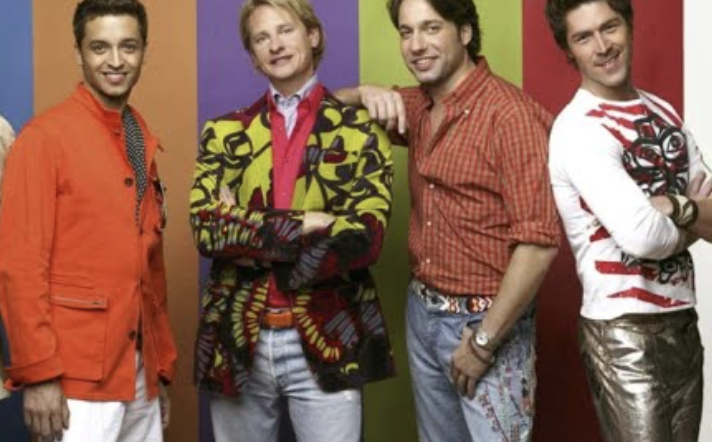
The news hit many of us with a pang of both nostalgia and concern: the potential end of Netflix’s beloved Queer Eye. More than just a makeover show, this iteration of the Fab Five became a cultural touchstone, a beacon of empathy, and for many, a heartwarming, if sometimes tear-jerking, representation of what true connection and understanding could look like across divides. The New York Times opinion piece, ‘Goodbye, ‘Queer Eye.’ Goodbye, Queer Acceptance.’, reflects a deeper anxiety that many in our community feel: if the show that so masterfully championed understanding and personal growth is fading, what does that signify for the broader journey of Queer Acceptance Evolution? This isn’t just about a TV show; it’s about the pulse of our collective progress, the visibility of our lives, and the very real fight for our place in society. Let’s dive deep into what Queer Eye represented, where we stand now, and how we continue to forge a path forward in a world that often feels like it’s taking one step forward and two steps back.
The Legacy of the Fab Five: More Than Just Makeovers
Queer Eye wasn’t just about fashion, food, design, grooming, or culture – though the Fab Five certainly delivered on all those fronts. It was a masterclass in human connection. Each episode peeled back layers of societal judgment, fear, and self-doubt, revealing the beautiful, complex individuals beneath. The show’s brilliance lay in its ability to introduce queer joy, expertise, and empathy into homes and hearts that might never have otherwise encountered it. It normalized queer identity not through polemics, but through genuine, vulnerable interaction.
Bridging Divides Through Empathy
From rural conservatives to grieving widows, the Fab Five consistently demonstrated the power of listening, understanding, and finding common ground. They didn’t just transform appearances; they facilitated emotional and psychological breakthroughs, helping people see themselves, and their queer mentors, in a new, more accepting light. This radical empathy was a powerful tool in advancing queer acceptance, not through overt political statements, but through lived experience and shared humanity.
The Power of Representation
For many queer individuals, seeing Jonathan Van Ness unapologetically express their non-binary identity, or Karamo Brown discuss issues of race and identity with nuance, was profoundly validating. It showed that queer people are not monolithic, that our experiences are rich and varied, and that we can be experts, mentors, and friends. This visible, positive representation helped demystify queer lives for a mainstream audience, contributing significantly to a more open dialogue around LGBTQ+ issues.
A Shifting Cultural Landscape: Why ‘Goodbye’?
The sentiment ‘Goodbye, Queer Acceptance’ is a potent one, reflecting a palpable anxiety within the LGBTQ+ community. While Queer Eye helped push the needle forward, the cultural landscape has become increasingly complex and, in many ways, hostile. The show’s potential end, whether due to natural lifecycle or deeper cultural shifts, coincides with a period of significant backlash against LGBTQ+ rights and visibility.
The Backlash and Anti-LGBTQ+ Legislation
Across the globe, we’re witnessing a disturbing rise in anti-LGBTQ+ rhetoric and legislation, particularly targeting transgender individuals and drag artists. Laws restricting gender-affirming care, ‘Don’t Say Gay’ bills, and a general increase in hateful discourse contribute to an environment where the progress celebrated by shows like Queer Eye feels fragile. This pushback often stems from fear and misunderstanding, precisely the barriers the Fab Five sought to dismantle. It’s a stark reminder that acceptance is not a static destination but an ongoing, often contested, journey.
Digital Spaces and Evolving Identity
Our lives are increasingly lived online, and for the LGBTQ+ community, digital spaces have been both a lifeline and a battleground. Online chat and dating culture, for instance, offers unprecedented opportunities for connection, community building, and self-exploration. Yet, it also exposes individuals to harassment, misinformation, and the constant pressure of performing identity. The very evolution of queer identity, becoming more nuanced and fluid, sometimes clashes with traditional media narratives and societal expectations. The digital realm, with its rapid information flow and echo chambers, can amplify both acceptance and rejection at an accelerated pace.
Beyond Television: Nurturing Queer Acceptance in the Digital Age
If the era of mainstream television as the primary driver of queer acceptance is evolving, where do we turn next? The answer lies in strengthening our existing foundations and innovating new approaches, especially in the digital sphere that has become so central to modern life.
The Role of Online Communities and Platforms
For many, online communities are the first place they find understanding and solidarity. From forums to social media groups, these digital havens offer spaces for exploration, support, and friendship, particularly for those in isolated areas or those exploring their identity. However, these spaces also require vigilance and a commitment to safety. Ensuring that these platforms remain welcoming and secure for everyone is paramount. For anyone navigating the vibrant world of online LGBTQ+ interactions, understanding how to protect yourself is key. Resources like a secure gay chat guide offer invaluable insights into maintaining privacy and fostering positive connections in digital environments.
Activism, Arts, and Advocacy
Acceptance isn’t just felt; it’s fought for. Beyond the screen, tireless activists, artists, and advocates continue to push for legal protections, societal shifts, and cultural understanding. Queer art, in all its forms—music, literature, visual arts, and performance—continues to challenge norms, celebrate identity, and build bridges. Events that bring the community together in solidarity and protest are vital, demonstrating our collective strength and resolve. For instance, the energy and unity seen in initiatives like Trans-Mission Wembley Concerts exemplify how music and collective action can amplify voices and foster incredible solidarity for the trans community and beyond.
Intersectionality and Inclusivity
True queer acceptance must be intersectional. It’s not enough to accept gay men if we don’t also fight for trans women of color, for queer people with disabilities, for bisexual and asexual individuals, and for every other marginalized identity within our expansive rainbow. The work of acceptance means understanding that liberation for one group is inextricably linked to the liberation of all. It requires us to listen to the most marginalized voices within our community and amplify their needs and experiences.
The Path Forward: What Does “Queer Acceptance” Truly Mean Now?
The potential end of Queer Eye doesn’t signal the end of queer acceptance, but perhaps a turning point. It’s a call to action, a reminder that the work of building a more inclusive and empathetic world is never truly finished. It moves from the television screen into our daily lives, our communities, and our digital interactions.
From Tolerance to Celebration
Acceptance, in its truest form, goes beyond mere tolerance. It is about celebration, affirmation, and integration. It means creating spaces where queer individuals don’t just feel safe, but feel valued, respected, and empowered to thrive. It means societal structures that genuinely support our families, our health, and our well-being.
Personal Responsibility and Collective Action
Every individual has a role to play in the ongoing journey of Queer Acceptance Evolution. This includes challenging our own biases, educating ourselves, speaking out against injustice, and supporting LGBTQ+ organizations and causes. It means showing up for our queer friends, family, and neighbors, not just in times of crisis, but in everyday life. Collectively, we must continue to advocate for policies that protect and uplift our community, while also nurturing the grassroots movements that build acceptance from the ground up.
Conclusion
While the prospect of saying goodbye to the Fab Five of Queer Eye might feel like a loss, it also serves as a powerful reminder: the fight for queer acceptance is not contingent on a single show, or even on mainstream media representation alone. It is a living, breathing movement, shaped by every conversation, every act of kindness, every protest, and every digital connection we make. The journey of Queer Acceptance Evolution continues, perhaps shifting its stage, but never losing its momentum. Let us draw inspiration from the show’s legacy of empathy and connection, and apply it to the ongoing work ahead, building a future where every queer person is not just accepted, but truly celebrated.