The Global Goal: Unpacking the Significance of the World Cup Pride Match
In a world constantly seeking signs of progress and inclusion, particularly within the often conservative realm of international sports, a recent announcement has sparked significant conversation and introspection: tickets for a FIFA World Cup Pride Match between Egypt and Iran were among those still available as the ‘last minute’ sales phase opened. This seemingly straightforward news snippet, reported by Outsports, carries layers of profound meaning, symbolism, and a complex tapestry of hopes and challenges for the global LGBTQ+ community. It’s a moment that demands a deep dive, not just into ticket sales, but into the very heart of what a ‘Pride Match’ means when pitted against geopolitical realities and the ongoing fight for equality.
A Beacon of Visibility: What is a World Cup Pride Match?
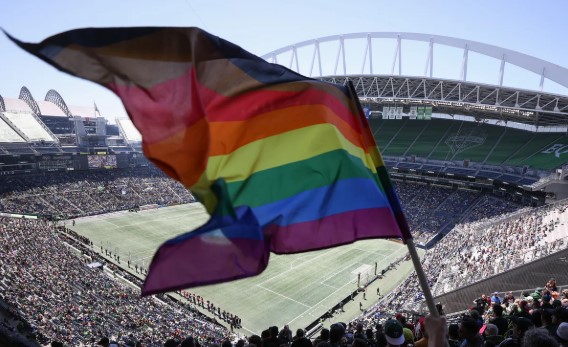
Firstly, let’s unpack the term itself. A ‘Pride Match’ within the context of a FIFA World Cup is, by its very nature, a powerful statement. While FIFA’s official stance on LGBTQ+ rights has seen slow, often criticized, evolution, the designation of a match as a ‘Pride Match’ typically signals an intentional effort to celebrate and affirm LGBTQ+ individuals. It’s a move designed to leverage the immense global platform of football to promote inclusivity, challenge prejudice, and foster a sense of belonging for queer athletes and fans worldwide.
These matches are not just about the game; they are about visibility. They are about sending a message, loud and clear, that LGBTQ+ people exist, they are part of the footballing family, and their presence deserves to be acknowledged and celebrated. For many, seeing ‘Pride’ integrated into such a monumental event offers a glimmer of hope and a tangible step towards a more accepting future.
The Unavoidable Juxtaposition: Egypt, Iran, and LGBTQ+ Rights
The particular pairing of Egypt and Iran in this ‘Pride Match’ is what makes the news especially compelling and, for many, deeply ironic or even unsettling. Both nations have laws and societal norms that are starkly punitive towards LGBTQ+ individuals. In both Egypt and Iran, same-sex sexual activity is illegal and can carry severe penalties, including lengthy prison sentences, corporal punishment, and, in Iran, even the death penalty. State-sponsored discrimination, social stigma, and lack of legal protection are pervasive.
This reality presents a profound juxtaposition: how can a match designated to celebrate LGBTQ+ pride involve teams from countries where LGBTQ+ individuals face such extreme oppression? This isn’t a simple question with an easy answer. It forces us to consider:
- The Origin of the Designation: Is the ‘Pride Match’ designation an initiative from FIFA, the host city (likely Seattle, given the original article’s URL), or an independent advocacy group leveraging the World Cup platform? Understanding the source is crucial to interpreting its intent and potential impact.
- Symbolic vs. Substantive Change: While symbolic gestures like a ‘Pride Match’ are vital for visibility, they must also be viewed critically. Do they translate into tangible improvements for LGBTQ+ people on the ground in the participating nations? Or do they merely highlight the stark divide between global ideals and local realities?
- The Power of Dialogue: Even if controversial, such an event can open up uncomfortable but necessary conversations. It forces the world, and perhaps even citizens within Egypt and Iran, to confront the disparity between human rights rhetoric and lived experiences.
For the LGBTQ+ community, particularly those navigating complex identities in regions where their existence is criminalized, an event like this can be a double-edged sword. It offers a moment of global recognition and solidarity, yet it also underscores the immense challenges that persist.
Sports as a Catalyst for Change: A Complex History
The intersection of sports and social justice has a long and often contentious history. From Jackie Robinson breaking the color barrier in baseball to Tommie Smith and John Carlos’s Black Power salute at the Olympics, athletes and sporting events have frequently been platforms for challenging the status quo. In recent decades, the LGBTQ+ rights movement has increasingly found a voice within sports.
The ‘coming out’ stories of athletes like Megan Rapinoe, Robbie Rogers, and Carl Nassib have inspired millions, demonstrating courage and authenticity in high-pressure environments. Major sporting organizations are slowly, albeit sometimes reluctantly, embracing diversity initiatives. The presence of Pride flags, rainbow armbands, and ‘Pride Nights’ at sporting events, once unthinkable, are becoming more common, signaling a shift in cultural attitudes in some parts of the world.
However, this progress is uneven. International tournaments held in countries with poor human rights records, particularly regarding LGBTQ+ individuals, consistently spark ethical debates. The decision to host major events often prioritizes economic and political considerations over human rights, leading to accusations of ‘sportswashing.’ A ‘Pride Match’ involving nations like Egypt and Iran steps directly into this complex ethical terrain, forcing a re-evaluation of how sports can truly be a force for good.
Finding Community and Solidarity in a Diverse World
Beyond the politics and the symbolism, this event resonates deeply with the spirit of community and the universal human desire for connection. For LGBTQ+ individuals across the globe, especially those in regions where they face isolation and danger, seeing their identities acknowledged on such a grand stage can be profoundly impactful. It serves as a reminder that they are not alone.
This is where the parallel to online chat and dating culture becomes particularly relevant. In a world where physical communities may be unsafe or non-existent for queer individuals, digital spaces offer a vital lifeline. Online platforms provide avenues for support, information, and connection, allowing people to find their tribe, share experiences, and navigate their identities safely. Whether it’s discussing the nuances of an international ‘Pride Match’ or seeking advice on personal safety, these digital communities bridge geographical divides and foster a sense of belonging.
When discussing online safety and digital privacy, especially for those in sensitive regions, it’s crucial to empower individuals with the knowledge to protect themselves. Understanding how to use platforms securely and anonymously is not just a convenience; it can be a matter of personal safety. For a comprehensive guide on navigating these digital spaces, you might find valuable insights in resources like this secure gay chat guide, which emphasizes safe online interactions and digital well-being.
The Role of Fans and Attendees: Making a Statement
The availability of tickets for this particular World Cup Pride Match also puts the spotlight on the attendees. For fans choosing to buy tickets and attend, their presence is not merely about enjoying a game; it’s an act of solidarity. By being there, they become part of the statement, amplifying the message of inclusion and support for the LGBTQ+ community. Their cheers, their presence, and their visibility become a collective voice that transcends the boundaries of the stadium, echoing into the global consciousness.
This collective action, whether in person or online, is what drives movements forward. Just as artists and activists come together to raise awareness and foster a sense of unity, fans at a ‘Pride Match’ contribute to a larger narrative of acceptance and equality. The spirit of solidarity, often expressed through music and performance, can also be found in global movements, as seen in initiatives like the Trans Mission Wembley concert, which exemplifies how creative expression can galvanize community support and activism.
Beyond the Match: Sustaining the Momentum
The true measure of a ‘Pride Match’ won’t be in the final score or the number of tickets sold, but in its lasting impact. Will it spark sustained dialogue within FIFA and among national football federations about mandatory LGBTQ+ protections? Will it encourage further activism and support for queer rights in participating countries? Will it inspire more athletes to live authentically?
The journey towards full equality is long and arduous, marked by both monumental victories and disheartening setbacks. Events like the World Cup Pride Match serve as crucial touchpoints, reminding us of how far we’ve come and how much work still lies ahead. They highlight the power of sports to bring people together, to challenge prejudices, and to, even momentarily, envision a more inclusive world.
Ultimately, this match is more than just a game; it’s a conversation starter, a symbol of hope, and a stark reminder of the ongoing fight for human dignity and rights for LGBTQ+ individuals everywhere. Its very existence, and the complex reactions it elicits, underscore the urgent need for continued advocacy, understanding, and unwavering solidarity within our global community.
What Does This Mean for the Future?
As the world continues to grapple with varying degrees of acceptance and legality for LGBTQ+ individuals, events like the World Cup Pride Match represent a crucial, if sometimes controversial, step forward. They push the boundaries of what is considered acceptable on a global stage, forcing difficult but necessary conversations. For the LGBTQ+ community, it’s a chance to see themselves reflected, even subtly, in the grand spectacle of international sport. It’s a call to action for allies to continue their support and for organizations to uphold their commitment to human rights, ensuring that ‘pride’ isn’t just a designation for one match, but an embedded value in every aspect of global sport.