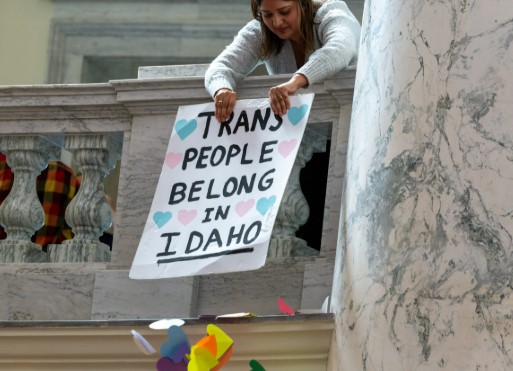
The Fight for Transgender Rights Idaho: Unpacking the State’s Extreme Bathroom Law
In a move that sends chilling ripples across the nation, Idaho’s Governor recently signed into law what opponents are calling the country’s “most extreme” anti-trans bathroom bill. This legislation, enacted despite fervent opposition, including from law enforcement agencies, marks a significant setback for **Transgender Rights Idaho** and the broader LGBTQ+ community. It’s a moment that demands our attention, our understanding, and our collective action, as the implications stretch far beyond state lines and impact the fundamental right to safety and dignity for all.
As a community, we understand that laws like this aren’t just about bathrooms; they’re about visibility, discrimination, and the ongoing struggle for basic human rights. They create an environment of fear, misunderstanding, and potential violence, eroding the fabric of inclusivity we strive to build. Let’s dive deep into what this law entails, its anticipated impacts, and how our community can continue to foster resilience and push for a more equitable future.
Unpacking Idaho’s “Most Extreme” Law
What the Law Entails
Idaho’s new law, HB 654, effectively criminalizes transgender individuals using public restrooms that align with their gender identity if it differs from the sex assigned at birth. The legislation applies to various public facilities, including schools, government buildings, and other public accommodations. What makes it particularly “extreme” is its broad scope and the severe penalties it can impose. It essentially mandates that individuals use restrooms corresponding to their ‘biological sex,’ a term often misused to invalidate transgender identities.
For transgender individuals, this law doesn’t just create inconvenience; it creates an impossible choice: either risk legal repercussions and potential harassment by using the bathroom that aligns with their identity, or use a bathroom that conflicts with their identity, leading to profound discomfort, distress, and a forced outing that can expose them to danger. This is a direct assault on the autonomy and mental well-being of a vulnerable population.
The Alarming Opposition: Law Enforcement Weighs In
One of the most striking aspects of this bill’s passage was the vocal opposition from an unexpected quarter: law enforcement. Police chiefs and sheriffs across Idaho expressed serious concerns, not only about the practical enforceability of the law but also about its potential to increase harassment and violence. Their objections highlight a critical truth: these laws are not about safety; they actively endanger people.
- Practical Enforcement Challenges: How does an officer determine an individual’s “biological sex” without intrusive and inappropriate questioning? This creates an impossible situation for law enforcement, making their jobs harder and fostering distrust within communities.
- Increased Harassment and Violence: Law enforcement officials correctly predicted that such a law would empower individuals to scrutinize and challenge others in public restrooms, leading to a surge in vigilantism, harassment, and potentially violent confrontations. This is a burden placed not just on transgender people but on cisgender individuals who might be perceived as trans.
- Diversion of Resources: Instead of focusing on genuine public safety threats, police resources could be diverted to investigate baseless complaints fueled by prejudice and misunderstanding.
The Human Cost: A Climate of Fear and Vulnerability
The signing of this bill isn’t just a political act; it’s a deeply personal one for every transgender person in Idaho and across the country. It signals that their existence is up for debate, their rights are negotiable, and their safety is secondary. This creates a pervasive climate of fear and vulnerability.
Increased Harassment for Cisgender Individuals
While aimed at transgender people, these laws often boomerang, creating an environment where cisgender individuals who don’t conform to narrow gender stereotypes also become targets. Women with short hair, men with long hair, or anyone whose appearance doesn’t fit preconceived notions of gender can be subjected to scrutiny, harassment, and even violence by those seeking to “enforce” such discriminatory laws. This unintended consequence underscores the flawed logic and harmful breadth of such legislation.
Escalated Violence Against Transgender People
The most devastating impact will undoubtedly be on transgender individuals. By legally sanctioning discrimination, the state emboldens those who harbor prejudice. This can lead to:
- Physical Attacks: Transgender individuals, particularly trans women of color, already face disproportionately high rates of violence. Laws like Idaho’s escalate this risk by marking them as “other” and legitimate targets for aggression.
- Psychological Trauma: The constant fear of being targeted, harassed, or arrested for simply existing and using a public facility takes a severe toll on mental health, leading to increased rates of anxiety, depression, and suicidal ideation.
- Limited Access to Public Life: Many trans people may simply avoid public spaces altogether, leading to isolation and hindering their ability to participate fully in society, work, education, and community life.
Beyond Bathrooms: A Wider Assault on Transgender Identity
Bathroom bills are rarely just about bathrooms. They are often part of a broader legislative strategy to erase transgender people from public life, invalidate their identities, and deny them basic civil rights. This bill sits alongside a surge of anti-trans legislation targeting healthcare, sports participation, and even the ability to update identity documents. It sends a clear message: transgender people are not welcome or recognized.
A Legal Battleground: Precedent and Future Challenges
The National Landscape of Anti-Trans Legislation
Idaho’s law is not an isolated incident but rather a piece of a larger, coordinated national effort to roll back LGBTQ+ rights, particularly those pertaining to transgender individuals. We’ve seen similar legislative pushes in states across the country, though many have faced significant legal challenges and public backlash. This pattern suggests a sustained attack on equality, requiring sustained vigilance and advocacy from our community and allies.
Legal Challenges and the Fight for Equality
Thankfully, organizations like the ACLU, Lambda Legal, and others are at the forefront of challenging these discriminatory laws in court. They argue that such legislation violates constitutional protections, including the Equal Protection Clause of the 14th Amendment, and Title IX, which prohibits sex-based discrimination in education. The fight for **Transgender Rights Idaho** will undoubtedly move into the judicial system, where legal precedents set in other states could play a crucial role.
The legal battles are long and arduous, but they are essential. Every court victory, even if temporary, sends a powerful message that discrimination will not stand unchallenged. These challenges also serve to educate the public and draw attention to the real-world harm caused by such laws.
Solidarity and Support in Challenging Times
In the face of such adversity, the strength of our community and the power of allyship become more critical than ever. We must stand together, uplift one another, and continue to create spaces where everyone feels safe and affirmed.
The Power of Community and Allyship
When state governments seek to marginalize and diminish the LGBTQ+ community, the collective response from individuals, local communities, and organizations is paramount. Allies, both cisgender and within the broader LGBTQ+ spectrum, have a crucial role to play in speaking out, educating others, and actively supporting transgender friends and neighbors. This means showing up to protests, contacting legislators, and simply offering a safe space and a listening ear.
Finding Safe Spaces and Digital Sanctuary
In times when physical public spaces become hostile, online platforms often serve as vital lifelines for connection, support, and information. For many, anonymous chat and digital communities offer a sanctuary where they can be their authentic selves without fear of harassment or discrimination. Navigating these spaces safely is paramount. If you’re looking for guidance on how to maintain your privacy and connect authentically in a world where digital safety is increasingly crucial, consider exploring resources like our Secure Gay Chat Guide 2026: Ultimate Manual. These tools and communities can help foster a sense of belonging and provide much-needed support when real-world interactions feel dangerous.
Advocacy in Action: Making Our Voices Heard
The fight for equality isn’t just in the courts; it’s in the streets, in the ballot boxes, and in our everyday conversations. Advocacy comes in many forms, from organized protests to individual acts of courage. Collective action, whether through grassroots organizing or large-scale events, demonstrates the resilience and power of our community. For inspiration on how community and collective action can create powerful movements, recall events that highlight solidarity, like the Trans-Mission Wembley Concert 2026, which brought together voices in support of transgender rights through music and shared experience.
Moving Forward: What We Can Do
The path ahead for **Transgender Rights Idaho** and beyond is challenging, but it is not without hope. Our collective efforts can make a difference. Here are concrete steps we can all take:
Educate Yourself and Others
- Understand the facts about transgender identities and the real harm caused by discriminatory laws.
- Share accurate information with friends, family, and colleagues, dispelling myths and misinformation.
- Amplify transgender voices and stories.
Support LGBTQ+ Organizations
- Donate to or volunteer with organizations fighting for LGBTQ+ rights, especially those on the ground in Idaho and other affected states.
- Support legal defense funds challenging these discriminatory laws.
Vote and Engage Locally
- Elect representatives who champion equality and stand against discrimination.
- Participate in local government; attend school board meetings and city council sessions to advocate for inclusive policies.
Prioritize Self-Care and Community Connection
- For those directly impacted, seek out mental health resources and support networks.
- Lean on your community. Connection and solidarity are powerful antidotes to isolation and despair.
- Remember that your existence is valid, your identity is real, and you are not alone.
Conclusion
The signing of Idaho’s anti-trans bathroom law is a stark reminder of the ongoing battles for dignity and equality that the LGBTQ+ community faces. It targets transgender individuals with extreme prejudice, creating an unsafe environment and setting a dangerous precedent. However, it also galvanizes our resolve. The opposition from law enforcement, the immediate legal challenges, and the unwavering support from allies and community members demonstrate that the fight for **Transgender Rights Idaho** is far from over.
As we navigate these challenging times, let us remember the power of our voices, the strength of our solidarity, and the enduring truth that love and acceptance will ultimately prevail over fear and discrimination. We will continue to advocate, educate, and support each other until every person, regardless of their gender identity, can live safely and authentically, free from the threat of discriminatory laws.