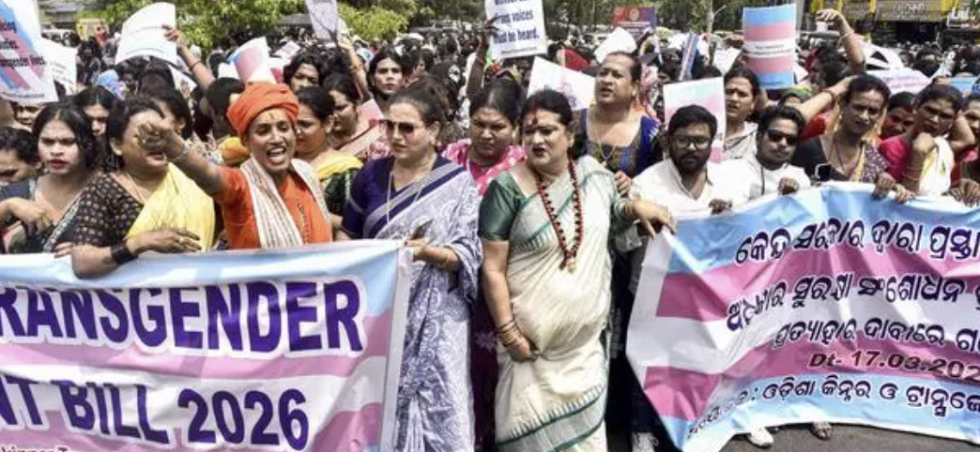
Erasing Existence: A Deep Dive into Mumbai’s Fight for Transgender Rights India
In a world striving for greater inclusivity, news from Mumbai, India, reminds us that the fight for fundamental human dignity is far from over. Recent reports indicate that queer communities in Mumbai are staunchly opposing the Transgender Persons Amendment Bill, 2026, articulating a profound fear: ‘Our existence erased.’ This statement is not merely a political slogan; it’s a raw cry against legislation that threatens to invalidate identities and undermine the hard-won progress in Transgender Rights India. As professional lifestyle and culture writers, we believe it’s crucial to delve deep into the nuances of this pivotal moment, understanding its implications not just for Mumbai, but for the global LGBTQ+ community and the very fabric of human rights.
The proposed amendment bill represents a significant regression, casting a long shadow over the future of transgender individuals in one of the world’s most populous nations. At its heart, the opposition stems from the potential for the bill to strip away the autonomy of transgender individuals, particularly regarding self-identification and access to vital resources. This isn’t just about legal text; it’s about the everyday lives, safety, and recognition of people who have historically faced immense discrimination and marginalization. For a community that has long battled for visibility and acceptance, a bill that threatens to ‘erase their existence’ is a direct assault on their being.
The Heart of the Matter: What Does ‘Existence Erased’ Truly Mean?
When a community states that its ‘existence is erased,’ it points to a legislation that fails to acknowledge, protect, or even actively diminishes their identity. While the specifics of the Transgender Persons Amendment Bill, 2026, are still being dissected, such opposition typically arises when bills:
- Deny Self-Identification: True recognition of transgender identity hinges on the principle of self-determination. If the bill introduces gatekeeping mechanisms, such as mandatory medical examinations, psychiatric evaluations, or approval from a district magistrate, it undermines an individual’s right to define their own gender. This is a common flaw in anti-trans legislation globally and directly contradicts international best practices for human rights.
- Create Discriminatory Categories: Legislation can sometimes create new, narrower definitions of ‘transgender’ that exclude intersex individuals, non-binary people, or those who don’t fit into a rigid binary understanding of gender. This fragmentation within the community can lead to further marginalization for those deemed ‘unworthy’ of legal protection.
- Lack Comprehensive Protections: A progressive bill should ensure protections against discrimination in employment, housing, education, and healthcare. If the amendment bill falls short, or worse, introduces clauses that enable discrimination, it effectively erases the ability for transgender individuals to live full, equitable lives.
- Ignore Community Input: The strongest and most effective legislation is co-created with the communities it aims to serve. If the queer communities in Mumbai feel unheard, or their concerns are dismissed, it highlights a failure in democratic process and a disregard for lived experience.
The psychological impact of such legislation cannot be overstated. When the state, the highest authority, essentially negates your identity, it sends a powerful message of invalidation. This can lead to increased mental health struggles, social isolation, and a deepening sense of insecurity for an already vulnerable population. The fight for Transgender Rights India is fundamentally a fight for dignity and self-respect.
A Legal Labyrinth: India’s Journey with Transgender Rights
To fully grasp the significance of this opposition, it’s essential to understand the recent history of Transgender Rights India. The country has seen moments of progressive legal reform alongside significant setbacks. The landmark NALSA judgment of 2014 by the Supreme Court of India was a beacon of hope. It legally recognized transgender people as a ‘third gender,’ affirmed their right to self-identification, and called for affirmative action measures.
However, the subsequent Transgender Persons (Protection of Rights) Act, 2019, while aiming to implement the NALSA judgment, was met with widespread criticism from the community. Many activists argued that the 2019 Act fell short of the NALSA judgment’s spirit, particularly by introducing a bureaucratic process for identity recognition rather than fully embracing self-determination. It mandated individuals to obtain a certificate of identity from a District Magistrate, potentially requiring medical proof, which many saw as invasive and humiliating. The new 2026 amendment bill, if it further entrenches or exacerbates these issues, represents a continued struggle for genuine recognition and protection.
This seesaw battle highlights the complex interplay between legal frameworks and lived realities. While laws can provide a foundation for rights, their implementation and interpretation are critical. The current opposition in Mumbai underscores a deep mistrust that the new bill will adequately safeguard the community, instead fearing it will dismantle existing, albeit imperfect, protections.
The Digital Lifeline: Uniting for Transgender Rights India Online
In times of crisis and legislative threats, online platforms become indispensable lifelines for marginalized communities. For Mumbai’s queer communities and allies across India, digital spaces are vital for organizing, information dissemination, mutual aid, and finding solidarity. These platforms allow activists to mobilize protests, share legal analyses, educate the public, and offer peer support to those affected by discriminatory policies.
Online forums, social media groups, and dedicated chat services provide safe havens where individuals can discuss their fears, strategize next steps, and feel connected to a larger movement. In a context where public spaces might not always be safe or accessible for expressing dissent, the digital realm offers a critical alternative. However, this also brings forth the crucial need for digital safety and privacy, especially when discussing sensitive political issues. The ability to communicate securely and anonymously can be paramount when addressing government legislation or facing potential backlash. Understanding how to navigate these digital landscapes safely is key for community building and activism.
For those looking to engage in these vital conversations while ensuring their privacy, resources like a comprehensive guide to secure gay chat can be incredibly helpful. These guides offer practical advice on protecting personal information, understanding encryption, and identifying safe online spaces, empowering community members to advocate for Transgender Rights India without compromising their digital well-being. The internet is not just a tool for connection; it’s a powerful arena for advocacy and resistance, requiring knowledge and vigilance to be used effectively.
Beyond Borders: Global Solidarity and the Call to Action
The struggle for Transgender Rights India is not isolated. It resonates with similar battles being fought by LGBTQ+ communities worldwide. When one part of our global queer family faces legislative challenges, it sends ripples across the entire movement. International solidarity plays a crucial role in amplifying the voices of local activists, drawing global attention to human rights violations, and pressuring governments to uphold their commitments to equality.
Activism takes many forms, from grassroots organizing to global campaigns. Events like the recent Trans-Mission Wembley Concert in 2026 stand as powerful symbols of this solidarity, bringing together artists and advocates to raise awareness and funds for transgender rights. Such initiatives not only provide financial support but also boost morale and demonstrate to those on the front lines that they are not alone. They transform local struggles into global movements for justice.
For allies and community members outside of India, there are tangible ways to contribute: educate yourselves on the issues, support local LGBTQ+ organizations in India through donations, participate in online awareness campaigns, and advocate for human rights in your own spheres of influence. Every voice, every action, contributes to the collective power that can challenge discriminatory legislation and push for a more equitable future.
The Human Cost: Stories Behind the Statistics
Behind every bill, every amendment, are real human lives. The fear of ‘existence erased’ is rooted in the very tangible consequences of discriminatory laws. It impacts access to healthcare, where trans individuals often face gatekeeping, discrimination, or a complete lack of gender-affirming care. It affects employment opportunities, pushing many into precarious work or poverty due to lack of legal recognition and societal prejudice. Housing, education, and even basic public services can become inaccessible or unsafe.
Beyond these practical challenges, there is the profound emotional and psychological toll. The constant battle for recognition takes a heavy toll on mental health, increasing rates of depression, anxiety, and suicidal ideation within the community. For many, simply existing authentically becomes an act of defiance, requiring immense resilience in the face of systemic adversity. The fight for Transgender Rights India is a fight for the right to live, thrive, and be recognized as a full, contributing member of society, free from the constant threat of legal or social invalidation.
Looking Ahead: Pathways to Affirmation and Equality
The opposition to the Transgender Persons Amendment Bill, 2026, is a critical moment for Transgender Rights India. It presents an opportunity for lawmakers to listen to the voices of their constituents, engage in meaningful dialogue, and craft legislation that truly protects and affirms the rights of all transgender individuals. Pathways to genuine affirmation include:
- Prioritizing Self-Determination: Upholding the NALSA judgment’s spirit by allowing individuals to self-identify their gender without invasive medical or bureaucratic hurdles.
- Comprehensive Anti-Discrimination Laws: Ensuring robust protections across all sectors, from employment to healthcare, education, and housing.
- Community Consultation: Engaging regularly and genuinely with transgender community leaders and organizations in the drafting and implementation of policies.
- Public Education: Investing in campaigns to raise awareness and foster understanding about transgender identities, combating stigma and prejudice at a societal level.
The queer communities in Mumbai, by standing firm against this bill, are not just fighting for their own rights but for a more just and inclusive India for everyone. Their bravery and determination serve as a powerful reminder that progress often requires sustained advocacy and unwavering solidarity.
Conclusion
The news from Mumbai regarding the Transgender Persons Amendment Bill, 2026, serves as a stark reminder that the journey towards full equality is often fraught with challenges. The collective cry of ‘Our existence erased’ is a potent symbol of the deep-seated fear and frustration within the queer community, specifically concerning the erosion of Transgender Rights India. Yet, amidst these challenges, there is immense strength in unity, advocacy, and the unwavering spirit of those fighting for their right to exist authentically.
As a community that values authenticity, respect, and freedom, it is our collective responsibility to support these vital struggles. By amplifying voices, fostering understanding, and advocating for inclusive policies, we contribute to a world where every individual, regardless of their gender identity, can live a life of dignity and affirmation. The fight continues, and with continued solidarity, there is hope for a future where no one’s existence is erased.