Navigating Trust: Protecting Our Hearts from Online Romance Scams
In an increasingly digital world, online dating platforms have become essential spaces for connection, community, and finding love, particularly for members of the LGBTQ+ community. These platforms offer a unique opportunity to bridge geographical gaps and connect with like-minded individuals, fostering a sense of belonging that might be harder to find offline. However, alongside the promise of connection, there’s a darker side: the pervasive threat of fraud and emotional exploitation. The recent news of a man sentenced to three years in prison for defrauding gay men on dating apps for over £28,000 serves as a stark, painful reminder of the dangers lurking online. This isn’t just a story about financial loss; it’s a deep dive into the devastating impact of online romance scams, the vulnerabilities within our community, and how we can collectively foster a safer, more vigilant digital environment.
The Alarming Reality of Romance Fraud in Our Community
The incident involving Thomas Godden, who between July 2022 and November 2024, exploited three men he tricked into thinking they were in romantic relationships with him, is not an isolated case. It’s a snapshot of a widespread issue that disproportionately affects vulnerable populations, including the LGBTQ+ community. His sentencing to three years in prison is a small measure of justice, but the emotional and financial scars left on his victims will undoubtedly last much longer. This case underscores a critical need for awareness, education, and proactive measures to protect ourselves and our loved ones.
The Thomas Godden Case: A Stark Reminder
The details of Godden’s actions are chillingly familiar to those who study romance fraud. He meticulously crafted a persona, building trust and emotional intimacy with his targets before leveraging that bond for financial gain. The total sum, £28,488, represents not just money, but dreams, security, and the profound betrayal of trust. For the victims, the realization that the deep connection they believed they shared was nothing but a calculated deception is devastating. It shatters not only their financial stability but also their ability to trust, often leading to shame, isolation, and long-term psychological distress. This case is a critical reminder that while online platforms offer immense potential for positive connection, they also require an elevated level of caution and discernment.
Understanding Romance Scams: A Deceptive Dance
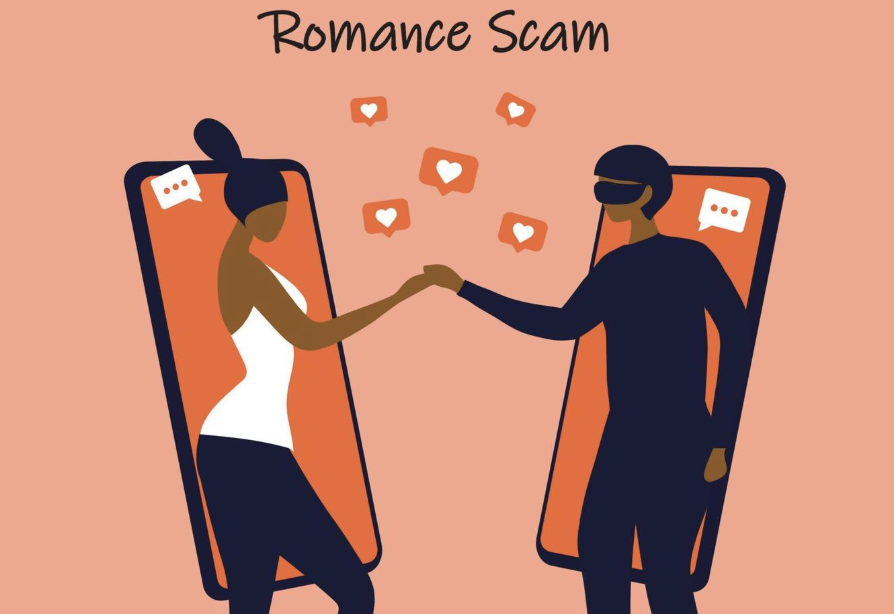
Romance scams, also known as ‘catfishing,’ are elaborate schemes where fraudsters create fake online identities to gain a victim’s affection and trust. Their ultimate goal is to manipulate the victim into sending money, providing personal information, or even committing financial crimes on their behalf. These scams are characterized by a slow, deliberate build-up of a ‘relationship,’ often involving intense declarations of love early on, promises of a future together, and consistent communication to create a strong emotional bond. Once the emotional entanglement is secure, the requests for money begin, typically under the guise of urgent emergencies – medical bills, travel expenses to finally meet, business troubles, or family crises. The emotional investment makes it incredibly difficult for victims to see the manipulation, as they desperately want to believe in the person they’ve fallen for.
Why Our Community? The Unique Vulnerabilities
While romance scams can affect anyone, certain communities, including LGBTQ+ individuals, can be particularly targeted or vulnerable. This isn’t a weakness, but rather a reflection of societal factors and the unique ways our community navigates relationships and identity.
The Search for Connection in a Digital Age
For many LGBTQ+ individuals, traditional offline avenues for meeting partners can be challenging due to smaller local populations, social stigma, or safety concerns. Online dating apps and social media platforms therefore become vital conduits for connection, allowing people to find community and potential partners regardless of geographical limitations. This reliance, while beneficial, can also create an environment where individuals are more eager for connection and potentially more susceptible to those who exploit that desire. The promise of finding a genuinely accepting and loving partner can overshadow nagging doubts, especially after prolonged periods of feeling isolated or misunderstood.
Building Trust, Exploiting Identity
Within the LGBTQ+ community, there’s often a shared understanding, a sense of camaraderie that comes from navigating similar life experiences. Scammers can expertly mimic this, using common language, shared cultural references, and even specific identifiers to create a false sense of solidarity. They tap into the inherent trust that often exists within marginalized communities, turning it into a weapon. By pretending to be ‘one of us,’ they bypass initial skepticism, making their victims believe they are interacting with someone who truly understands and cares, thus deepening the emotional manipulation. This exploitation of shared identity makes the betrayal even more profound and damaging.
The Devastating Impact: More Than Just Money
The financial loss in romance fraud is undeniable and often severe, but it is just one facet of the profound damage inflicted upon victims. The emotional and psychological toll can be far more enduring, affecting every aspect of a person’s life long after the scam is uncovered.
Emotional Scars: Betrayal and Heartbreak
Victims of romance scams experience a deeply personal and traumatic betrayal. They don’t just lose money; they lose the person they thought they loved, the future they envisioned, and often, a piece of their self-worth. The realization that the entire relationship was a carefully constructed lie can lead to intense feelings of shame, embarrassment, anger, and profound sadness. Many victims struggle with self-blame, wondering how they could have been so ‘naive,’ which can exacerbate feelings of isolation and prevent them from seeking help. This emotional devastation can manifest as anxiety, depression, post-traumatic stress, and a significant difficulty in trusting new people, impacting future relationships and overall mental well-being.
Financial Ruin: A Double Burden
Beyond the immediate loss, the financial impact can be catastrophic. Victims might empty their savings, take out loans, sell assets, or even go into crippling debt. The money often represents life savings, retirement funds, or funds intended for crucial life events. Rebuilding financial stability after such a loss can take years, if it’s even fully possible. For many, the financial burden adds immense stress, leading to a diminished quality of life, lost opportunities, and a constant reminder of the exploitation. This double burden of emotional trauma and financial distress creates a complex web of challenges that victims must navigate.
Spotting the Red Flags: Your Shield Against Deception
Empowerment begins with awareness. Recognizing the common tactics used by romance scammers is your first and most crucial line of defense. While these individuals are masters of manipulation, their patterns often reveal themselves if you know what to look for.
Too Good to Be True? It Probably Is.
- Rapid Escalation of Affection: Scammers often declare intense love and devotion very early in the relationship, sometimes within days or weeks of initial contact. They’ll shower you with compliments and sweet words, making you feel incredibly special. Real relationships typically take time to develop depth and genuine affection.
- Intense Future Planning: They’ll talk about marriage, moving in together, and a shared future almost immediately, creating a powerful fantasy that binds you to them emotionally.
- Perfect Match Syndrome: They seem to be your ideal partner, sharing all your interests, values, and dreams without any apparent flaws or disagreements. This ‘perfection’ should raise suspicion.
The Money Trap: No Exceptions
- Requests for Financial Aid: This is the ultimate red flag. Any request for money, no matter how small or for what seemingly dire reason (medical emergencies, travel costs, business investments, family crises, unexpected fees), is a sign of a scam. They might ask for gift cards, wire transfers, cryptocurrency, or even ask you to open a bank account.
- Pressure and Urgency: Scammers often create a sense of urgency around their financial needs, pressuring you to act quickly before you have time to think or consult others.
- Inability to Pay Themselves: They always have an excuse for why they can’t access their own money – ‘frozen bank accounts,’ ‘stuck overseas,’ ‘business deals gone wrong.’
Ghost in the Machine: Reluctance to Meet or Video Call
- Constant Excuses: They will consistently refuse to meet in person or even engage in video calls, always having a plausible-sounding but ultimately hollow reason (e.g., ‘broken camera,’ ‘bad internet,’ ‘traveling for work in a remote area’).
- Only Photos and Texts: Communication is almost exclusively through text, email, or messaging apps, making it easy for them to maintain their fabricated identity.
- Stolen Photos: Scammers frequently use stolen photos from real people (often models or military personnel) to create their fake profiles. A reverse image search can often expose this deception.
Inconsistent Stories and Isolation Tactics
- Vague or Contradictory Details: Pay attention to inconsistencies in their stories. Their background, family details, or work situation might change over time. They tend to be vague about their lives.
- Attempts to Isolate You: Scammers often try to distance you from friends and family who might identify the fraud. They might say your loved ones are jealous or don’t understand your ‘special connection.’
- Too Private Profile: A sparse online presence, few friends/followers, or a recently created profile on social media platforms can be a warning sign.
Empowerment Through Action: Protecting Ourselves and Each Other
Knowledge is power, but action solidifies that power. Protecting ourselves and our community from romance scams requires vigilance, smart online habits, and a willingness to speak up and seek help.
Be Vigilant, Be Skeptical, Be Smart
- Take it Slow: Resist the urge to rush into a relationship, no matter how strong the initial connection feels. A genuine connection will grow over time.
- Verify Identity: If someone refuses to video chat, that’s a major red flag. If they do video chat, ensure it’s not a pre-recorded loop. Use reverse image search tools (like Google Images) to check their profile pictures to see if they’ve been used elsewhere online.
- Trust Your Gut: If something feels off, it probably is. Don’t ignore those nagging doubts.
- Keep Finances Separate: Never, ever send money or financial information to someone you’ve only met online, especially if you haven’t met them in person multiple times.
Leverage Dating App Features and Report
Dating apps have a responsibility to create safe environments, and many have features to help. Familiarize yourself with these: blocking users, reporting suspicious profiles or messages, and using privacy settings. If you suspect a scammer, report them to the dating app immediately. Your report can help protect others from falling victim. Providing detailed information, including screenshots of conversations and profile details, can assist the platform in taking swift action.
Lean on Your Community and Support Networks
One of the most powerful defenses against scams is open communication. Talk to trusted friends, family members, or community support groups about your online relationships. An outside perspective can often spot red flags that you might miss due to emotional involvement. If you or someone you know has been a victim, reaching out for support is crucial. Organizations and online forums dedicated to romance fraud victims can provide valuable resources, advice, and a safe space to share experiences and begin healing.
Seeking Justice: The Path to Accountability
The sentencing of Thomas Godden highlights the critical role of law enforcement and the justice system in combating these crimes. While the emotional and financial recovery for victims is a long and arduous journey, seeing perpetrators held accountable offers a sense of closure and contributes to deterring future offenses.
The Importance of Reporting to Law Enforcement
If you or someone you know has been scammed, reporting the incident to the police or relevant national fraud reporting agencies (e.g., Action Fraud in the UK, FBI’s IC3 in the US) is essential. While it can be daunting and embarrassing, your report provides crucial data that helps authorities understand the scope of the problem, identify patterns, and ultimately track down perpetrators. Be prepared to provide as much evidence as possible: screenshots of conversations, transaction records, email addresses, and any other identifying information about the scammer. Every report, no matter how small the amount lost, contributes to a larger effort to bring these criminals to justice.
A Step Towards Deterrence: The Sentencing of Thomas Godden
The three-year prison sentence handed to Thomas Godden sends a clear message: these crimes have serious consequences. For victims, seeing justice served can be an important part of the healing process, affirming that they were victims of a crime, not simply foolish. For potential perpetrators, such sentences act as a deterrent, emphasizing that the digital realm is not an anonymous haven for illegal activities. This legal outcome reinforces the idea that while technology evolves, fundamental principles of law and accountability remain. It is a victory for the victims and for the broader community’s efforts to create a safer online space.
Building a Safer Digital Future Together
The story of Thomas Godden is a sobering reminder that while our digital lives offer incredible opportunities for connection and community, they also come with inherent risks. As members of the LGBTQ+ community, we often seek deeper connections and safe spaces online, a desire that predatory individuals exploit. By understanding the tactics of online romance scams, recognizing red flags, and actively engaging in preventative measures, we can empower ourselves and protect our loved ones. Let’s foster a culture of vigilance, support, and open communication. Together, we can make our online spaces not just vibrant and connected, but also truly safe havens where authentic relationships can flourish without fear of manipulation and deceit.