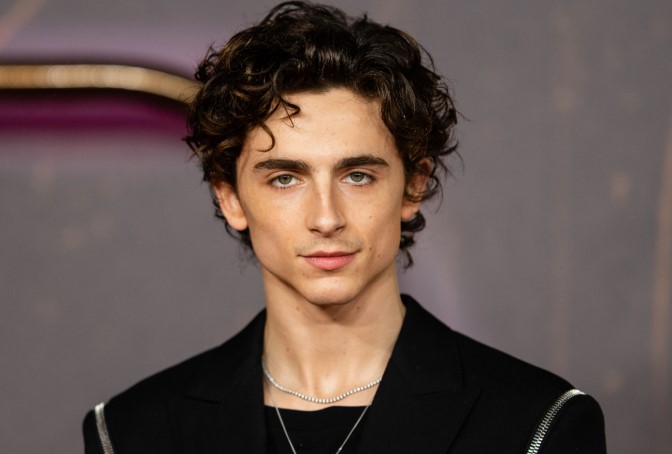
The Curious Case of Timothée Chalamet Fandom: From ‘Prince of Twinks’ to Shifting Tides
The glittering awards season has once again concluded, and with it, the familiar narrative arc for Hollywood’s darling, Timothée Chalamet, seems to be entering a new, perhaps quieter, chapter. Despite his undeniable talent and a string of critically acclaimed performances, the elusive Oscar continues to evade him. But beyond the golden statues and red carpets, a more fascinating story is unfolding – one that speaks volumes about modern celebrity, the powerful dynamics of online communities, and the unique relationship between queer culture and its chosen icons. News recently broke that his biggest fan club is shutting down, prompting a collective gasp and a flurry of speculative posts across the internet. Is this the ‘fall’ of a generation-defining actor, or merely a natural evolution in the intense, often ephemeral world of celebrity worship and Timothée Chalamet fandom?
This isn’t just about an actor not winning an award or a fan club closing its doors. It’s a lens through which we can examine the complex interplay of public image, parasocial relationships, the queer gaze, and the very fabric of digital life. Timothée Chalamet, once dubbed the ‘straight prince of twinks,’ embodies a particular cultural moment that captivated millions, especially within the LGBTQ+ community. Let’s deep dive into what his journey, and the shifting landscape of his admirers, tells us about ourselves, our communities, and the ever-evolving nature of fame.
The Meteoric Rise: A Star is Born (and Observed)
Chalamet’s ascent was nothing short of meteoric. From his breakout role in ‘Call Me By Your Name’ (a film that itself holds significant resonance for queer audiences) to ‘Lady Bird,’ ‘Beautiful Boy,’ and ‘Dune,’ he quickly carved out a niche as the sensitive, intellectual, and effortlessly stylish young leading man. His lean frame, tousled curls, and expressive eyes offered a refreshing departure from the traditional Hollywood alpha male. He exuded an ‘indie darling’ charm that felt authentic, making him relatable yet aspirational.
This rapid rise wasn’t just about his acting prowess; it was amplified by the digital age. Social media platforms became fertile ground for his image to proliferate. GIFs, fan edits, and candid street style photos circulated endlessly, creating a mythos around his persona. He became a canvas onto which fans projected desires, artistic inclinations, and even ideals of masculinity that challenged conventional norms.
The ‘Straight Prince of Twinks’: A Queer Gaze Defined
Perhaps the most intriguing aspect of Chalamet’s phenomenon, especially for our community, is the ‘straight prince of twinks’ moniker. To understand its significance, we must first unpack the term ‘twink’ within gay male culture. Traditionally, a ‘twink’ refers to a young, attractive, slender, often hairless man with a youthful appearance. It’s an archetype that has evolved over time but consistently signifies a certain aesthetic and stage of life.
So, why would a straight actor be crowned the ‘prince’ of this distinctly queer archetype? It speaks to several layers of cultural fascination:
- Aesthetic Resonance: Chalamet’s physical attributes – his slim build, boyish features, and sometimes perceived effeminate grace – align perfectly with the twink aesthetic. He visually embodies a type often celebrated within queer spaces.
- The ‘Indie’ Appeal: His early roles often portrayed vulnerability, complex emotions, and a certain artistic sensibility that resonated with queer audiences who frequently seek depth and nuance beyond mainstream stereotypes.
- Safe Object of Desire: For many in the LGBTQ+ community, particularly young gay men, Chalamet offered a ‘safe’, non-threatening figure onto whom desire and admiration could be projected. Unlike overtly masculine straight actors who might feel alienating, Chalamet’s persona allowed for a different kind of identification and fantasy. He wasn’t overtly heteronormative in his presentation, even if his actual relationships were with women.
- Historical Precedent: This isn’t a new phenomenon. Queer audiences have a long history of adopting straight celebrities as icons – from Judy Garland and Bette Davis to Madonna and Britney Spears. These figures often represent resilience, a challenging of norms, or simply an aesthetic appeal that speaks uniquely to the queer experience. Chalamet stepped into this lineage, representing a more modern, nuanced version of this phenomenon.
The label, while perhaps a bit tongue-in-cheek, highlighted a significant cultural moment where queer desire and mainstream celebrity intersected in a highly visible way. It wasn’t about his sexual orientation; it was about how his image was consumed, interpreted, and celebrated by a specific, influential demographic.
The Online Ecosystem of Fandom: Love, Obsession, and Community
The power of Timothée Chalamet fandom was largely forged and sustained in online spaces. Platforms like Tumblr, Twitter, Reddit, and TikTok became digital town squares where fans congregated to share art, fan fiction, memes, and impassioned discussions about their idol. This is where the ‘community’ aspect truly blossomed.
- Parasocial Relationships: The internet fosters incredibly intense parasocial relationships, where fans feel a deep, one-sided connection to a celebrity. They feel like they ‘know’ Timothée, understand his struggles, and celebrate his triumphs. This connection often fills emotional voids and provides a sense of belonging.
- Participatory Culture: Digital fandom is inherently participatory. It’s not just about consuming content; it’s about creating it. Fan artists, writers, and editors contribute to a vast ecosystem that reinforces the celebrity’s cultural footprint and deepens the collective investment.
- Community Building: For many, especially those who might feel marginalized in their offline lives, online fan communities offer a vital space for connection, affirmation, and shared passion. Discussing a celebrity, their roles, or their perceived personality, can be a way to bond, make friends, and feel less alone. This mirrors, in some ways, the search for connection within online chat and dating cultures, where shared interests, including celebrity crushes, can be icebreakers or indicators of compatibility.
- Ephemeral Intensity: However, the very nature of online fandom – its speed, its intensity, its reliance on constant novelty – also makes it highly susceptible to burnout and shifting allegiances.
When Fan Clubs Disband: A Sign of Shifting Tides?
The news of his biggest fan club shutting down is certainly an eyebrow-raiser. In an era where celebrity fandom seems to grow more entrenched and ubiquitous, what does this signify? Is it truly a ‘fall,’ or a more nuanced evolution?
It’s likely the latter. Here are a few interpretations:
- Fandom Burnout: Sustaining an intense, organized fan club requires immense dedication and effort. Volunteers pour hours into managing social media, organizing events, and curating content. Over time, this can lead to burnout, especially if the initial explosive energy begins to wane.
- Maturation of the Star: As Chalamet approaches 30, he’s moving beyond the ‘boy wonder’ phase. His roles are evolving, his public relationships are more high-profile, and he’s arguably becoming more mainstream. This might dilute the specific ‘indie darling’ or ‘prince of twinks’ appeal that initially galvanized a certain segment of his fan base.
- Maturation of the Fandom: As fans grow older, their engagement with celebrity often changes. The intense, almost all-consuming devotion of youth might give way to a more appreciative but less active form of support. People’s lives change, priorities shift.
- Shifting Online Landscapes: The internet is dynamic. What was once popular on Tumblr might now reside on TikTok, or new, niche platforms. Fan communities migrate, splinter, or simply dissolve as trends evolve.
- The Definition of ‘Biggest’: It’s also worth questioning what ‘biggest fan club’ truly means in the modern, decentralized internet. While one organized group might disband, countless individual fans and smaller, informal communities will undoubtedly continue to exist and celebrate him.
Beyond the Oscar Snub: Re-evaluating Success and Persona
The article also touches on Chalamet’s lack of an Oscar win, implying it as part of his ‘fall.’ While an Academy Award is the pinnacle for many actors, its absence doesn’t necessarily signify a decline in career or talent. Many legendary actors have had long, impactful careers without one. For Chalamet, who is still relatively young, his filmography is already impressive and diverse. His success should be measured not just by awards, but by his ability to choose challenging roles, draw audiences, and maintain cultural relevance.
The ‘fall’ narrative often attaches itself to young stars who experience a rapid ascent. It’s a convenient, dramatic storyline that sells clicks. However, true career longevity often involves navigating quieter periods, making strategic choices, and evolving beyond initial archetypes. Perhaps this ‘quieter chapter’ is precisely what Chalamet needs to cement his status as a serious actor rather than just a celebrated ‘it boy.’
The Evolving Queer Relationship with Celebrity
This situation also prompts us to reflect on the evolving relationship between the LGBTQ+ community and mainstream celebrities. The ‘straight prince of twinks’ phenomenon emerged at a time when overt queer representation in Hollywood was still significantly lacking. Projecting onto figures like Chalamet allowed for a form of identification and cultural ownership.
However, as queer representation grows – with more openly LGBTQ+ actors, directors, and stories – the need to project onto straight icons may diminish. There’s an increasing demand for authenticity and genuine representation. While Chalamet’s appeal to queer audiences was organic and powerful, the conversation has shifted towards celebrating and supporting those who can authentically represent queer experiences on screen and in public life.
This isn’t to say Chalamet’s unique appeal to the queer community is entirely gone. His aesthetic and the cultural narrative around him have left a lasting mark. But as our community gains more visibility and autonomy, our icons may increasingly come from within, or from those who are more overtly and intentionally allied with our struggles and triumphs.
What Does This Mean for Us? Navigating Fandom in the Digital Age
The story of Timothée Chalamet’s evolving public image and the changing nature of his fan base is a microcosm of larger trends in our digital lives. It reminds us of:
- The Power of Community: How online spaces can foster deep connections and a sense of belonging around shared interests, whether it’s a celebrity, a TV show, or a hobby.
- The Ephemeral Nature of Online Trends: How quickly intense enthusiasms can form and dissolve, often giving way to new obsessions.
- The Nuance of ‘Success’: That a ‘fall’ is rarely absolute, and often a re-calibration or evolution. For us, as individuals, it’s a reminder to define success on our own terms, beyond external validation.
- The Ongoing Dialogue Around Representation: How we, as a community, engage with media and celebrities continues to evolve, pushing for more authentic and inclusive portrayals.
Whether you were a devoted member of Timothée Chalamet fandom or simply an observer of his cultural impact, his journey provides a rich tapestry for understanding our modern world. It’s a story not of decline, but of transformation – a celebrity growing, a fandom shifting, and a culture continually redefining its relationship with its brightest stars. And in this ongoing narrative, there’s always something new to learn, to discuss, and to appreciate within our diverse and vibrant communities.