
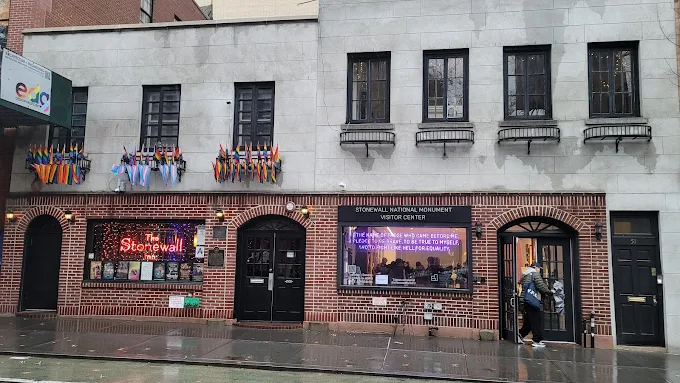
The cobblestone streets of Greenwich Village became a battleground for visibility once again this week. On February 10, 2026, the Stonewall National Monument—the spiritual home of the global LGBTQ+ rights movement—was stripped of its Pride flag. The National Park Service (NPS) removed the flag under a directive from the Department of the Interior, which claimed only “departmentally authorized” flags could be flown on federal poles.
The Act of Erasure
This move, occurring during a heightened political climate, was described by Mayor Zohran Mamdani as a “shameful attempt to erase our history.” The removal follows a pattern; in early 2025, the NPS website had already removed references to “transgender” and “queer” people from the monument’s official page.
Manhattan Borough President Brad Hoylman-Sigal pointed out the “footprints in the dark of night” where officials entered the park to take down the symbol. “They want us to go back to the shadows,” said one activist at the scene. “But you can’t erase a riot that never ended.”
The February 12 Uprising
In response, hundreds of New Yorkers gathered on February 12, 2026, for a historic re-raising. Local officials and trans activists, including veterans of the movement, used zip ties and sheer determination to hoist a new, larger flag back onto the pole. This act of civil disobedience serves as a stark reminder that while the federal government may control the land, the community controls the spirit of Stonewall.
The controversy has sparked a national debate about the role of federal agencies in preserving minority history. At gay-chat.org, we recognize that Stonewall is not just a park—it is sacred ground. The flag’s return is a victory for visibility, showing that for every attempt at erasure, there will be a thousand voices shouting back: “We are still here.”
Eric Dane death 2026 ALS legacy: A Final Tribute to an Icon