

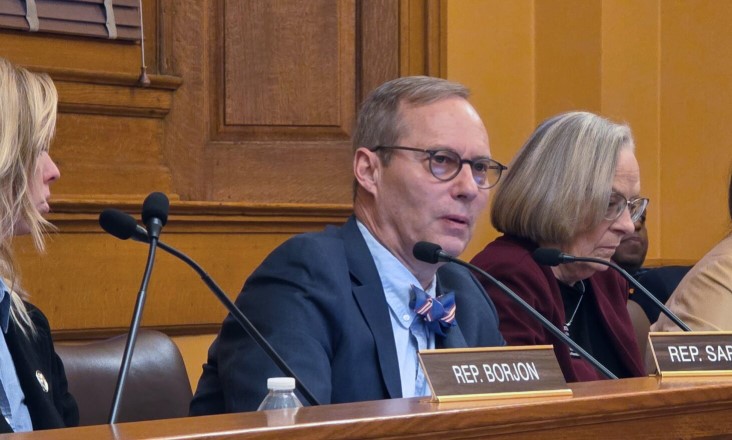
The Kansas anti-trans bathroom bill 2026 (officially House Substitute for SB 244) has officially become law, marking a watershed moment in the state’s legislative history. Despite a high-profile veto by Democratic Governor Laura Kelly on February 13, the Republican-led House and Senate voted on February 18, 2026, to override the governor’s decision. This move makes Kansas the first state in 2026 to enact such extreme restrictions, forcing transgender individuals to use public facilities that align strictly with their sex assigned at birth. For the queer community in the Midwest, the Kansas anti-trans bathroom bill 2026 is not just a policy change; it is a direct challenge to their right to exist safely in public spaces.
The Veto and the Override: A Divided State
Governor Laura Kelly’s veto was based on what she called “numerous and significant consequences” that went far beyond the intended scope of the bill. She pointed out that under the Kansas anti-trans bathroom bill 2026, even non-transgender individuals could face absurd restrictions—such as a father being unable to accompany his young daughter into a restroom or a brother being barred from visiting his sister in a college dorm. However, the GOP majority moved swiftly, arguing that the law is a “common-sense” measure to protect privacy. This legislative tug-of-war is a mirror image of the federal tensions we analyzed in the Title IX LGBTQ school content Trump 2026 update.
Criminal Penalties and Civil Lawsuits
What sets the Kansas anti-trans bathroom bill 2026 apart from previous iterations is its enforcement mechanism. The law doesn’t just “suggest” segregation; it mandates it in all government-owned buildings, including public schools, universities, and municipal offices.
- Fines: Individuals found in violation can be sued for $1,000.
- Criminal Charges: Repeat “offenders” could face Class B misdemeanor charges.
- Mandated Signage: Local governments are now required to update signage and infrastructure, or face steep fines from the state attorney general. These aggressive measures are part of a broader trend in LGBTQ identity laws 2026 that seek to criminalize the simple act of navigating public life.
The Impact on Trans Youth and Schools
For students, the Kansas anti-trans bathroom bill 2026 creates an environment of surveillance. Public schools are now required to “take every reasonable step” to segregate intimate spaces. This institutionalized “outing” can lead to severe psychological trauma. As we documented in our guide on LGBTQ AI mental health support 2026, the lack of safe spaces in educational settings is a primary driver of anxiety and depression among queer youth.
A Legacy of Resistance: From Stonewall to Kansas
The fight against the Kansas anti-trans bathroom bill 2026 has drawn parallels to the historical struggle for visibility. Just as the Stonewall Pride flag lawsuit 2026 represents a battle for symbolic presence, the Kansas situation represents a battle for physical presence. Advocacy groups like the ACLU and GLAAD have condemned the override, promising immediate legal challenges to stay the law’s enforcement. These organizations argue that the law violates the Equal Protection Clause of the 14th Amendment.
Media Representation vs. Legislative Erasure
It is interesting to note the contrast between these laws and the cultural landscape. While Kansas moves to restrict trans bodies, media icons have spent their lives doing the opposite. The Eric Dane death 2026 ALS legacy reminds us of the power of allyship and the importance of showing complex queer lives on screen—lives that laws like the Kansas bill try to hide.
Digital Safety in a Surveillance State
With the threat of lawsuits and criminal charges, digital privacy for the LGBTQ+ community in Kansas has become a necessity. Law enforcement and “vigilante” plaintiffs may look to digital footprints to prove “repeated violations.” This makes our advice on dating app safety for queer men 2026 even more critical; protecting your location and identity data is now a matter of legal survival.
Conclusion: The Long Road to Justice
The Kansas anti-trans bathroom bill 2026 is a setback, but it is not the final word. As the legal system begins to process the influx of lawsuits, the community remains resilient. At gay-chat.org, we will continue to monitor the enforcement of this law and provide resources for those affected. The fight for the right to use a bathroom is, at its core, a fight for human dignity.
⚖️ Explore More Legal Updates on Gay-Chat.org:
- Title IX 2026 Update: How federal changes affect school safety.
- Stonewall Lawsuit 2026: The battle for queer symbols in the US.
- LGBTQ Identity Laws Guide: Your rights in 2026, explained.
- Eric Dane Legacy: Remembering an ally in a time of crisis.
- LGBTQ AI Mental Health: Coping with legislative stress.




Two Black Boys in Paradise: The BAFTA 2026 Queer Film Victory
Girlguiding Trans Inclusive Policy 2026: A Legal Lifeline for Equality