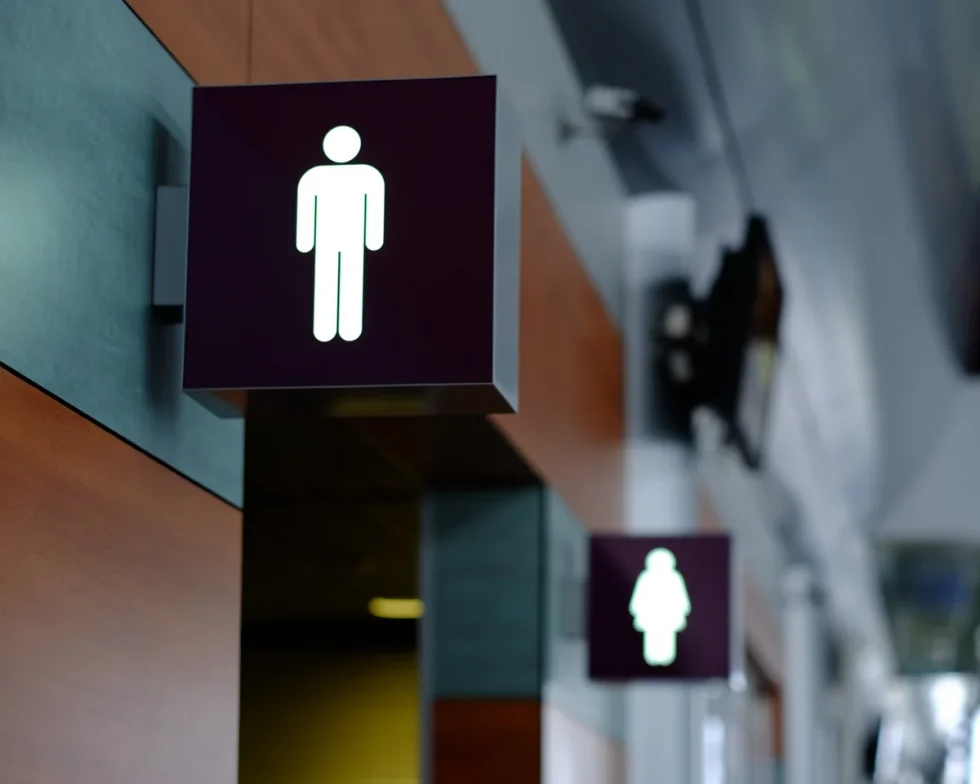
A significant legal milestone was reached on February 13, 2026, as the High Court delivered its judgment in a high-stakes judicial review involving the Equality and Human Rights Commission (EHRC) and its guidance on trans access to single-sex spaces, specifically toilets and changing rooms. The ruling has sent shockwaves through the legal and LGBTQ+ communities, clarifying—and in some ways complicating—how the Equality Act is applied in the modern era.
The Core of the Case
The case was brought by activists who argued that the EHRC’s recent guidance had overstepped its bounds by encouraging service providers to exclude trans people from single-sex spaces, even when they hold a Gender Recognition Certificate (GRC). The claimants argued that this created a “license to discriminate,” making it nearly impossible for trans individuals to navigate public life with dignity.
The High Court’s ruling, however, upheld the EHRC’s right to provide such guidance, stating that “proportionate” exclusion can be legal under the Equality Act if it serves a “legitimate aim,” such as privacy or safety. While the court emphasized that this should not be a “blanket ban,” the decision effectively gives more power to individual businesses and institutions to decide who uses which bathroom.
A Community Divided
The reaction to the ruling has been polarized. Anti-trans groups have hailed it as a victory for “biological reality” and women’s privacy. On the other hand, LGBTQ+ legal experts warn that the ruling is dangerously vague. What constitutes a “proportionate” exclusion? Who decides what a “legitimate aim” is? These questions are now left to the discretion of store managers, gym owners, and security guards, potentially leading to increased harassment of trans people—and anyone who doesn’t fit a traditional “gender profile.”
Navigating the Aftermath
At gay-chat.org, we recognize that these legal battles have real-world consequences. The fear of being challenged or humiliated in a public restroom is a form of social exclusion. This ruling may lead to a “chilling effect,” where trans people avoid public venues altogether to stay safe.
The path forward will likely involve further appeals and a push for more explicit legislative protection. As the law stands in 2026, the right of a trans person to exist in public spaces remains a contentious and fragile issue. We must continue to advocate for a world where “safety” is inclusive of everyone, not just a select few.