Decoding Pedro Pascal’s Oscars Style: A Community Deep Dive into Red Carpet Reverberations
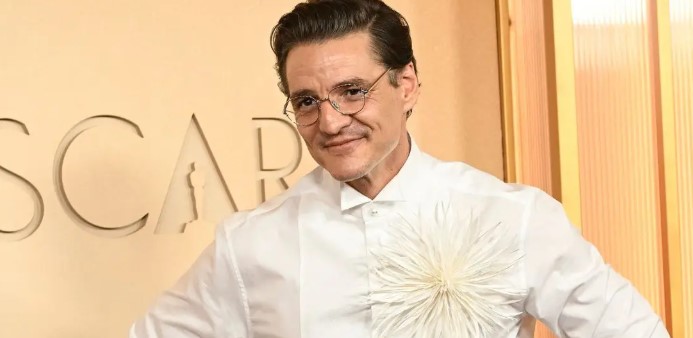
When Pedro Pascal, the internet’s beloved ‘Daddy,’ graced the red carpet at the recent Oscars, he didn’t just walk in; he made an entrance that sent ripples through social media and beyond. Fans, ever-attuned to the nuances of celebrity appearances, immediately noticed a distinctive shift in his presentation. The buzz was palpable, and everyone, it seemed, was saying the same thing about his new look. This wasn’t just another awards show moment; it became a cultural touchstone, a collective gasp of appreciation and curiosity, all centered around his refreshing Pascal Oscars Style. we’re not just about reporting the news; we’re about diving deep into what these moments mean for our community, for online culture, and for the way we connect.
Pedro Pascal has, in recent years, ascended to a unique pedestal in pop culture. Known for his captivating performances in “The Last of Us” and “The Mandalorian,” and cherished for his authentic, warm, and often hilarious off-screen persona, he has cultivated a fandom that transcends typical celebrity adoration. His genuine warmth, his visible support for his trans sister Lux Pascal, and his relatable charm have solidified his status as an unofficial queer icon. So, when such a figure steps onto a global stage with a ‘different look,’ it’s more than just a fashion statement; it’s a conversation starter, a meme generator, and a source of collective joy and speculation within the vibrant online ecosystems of his fans, particularly those in the LGBTQ+ community.
The Pedro Pascal Phenomenon: An Unofficial King of Hearts
Before we dissect the specifics of his Oscar night appearance, it’s crucial to understand the foundation of Pedro Pascal’s immense popularity, especially within the LGBTQ+ community. He embodies a blend of rugged masculinity and tender vulnerability that is incredibly appealing. He’s the gruff protector, the weary hero, but also the one who’ll share a genuine laugh and melt your heart with a smile. This nuanced persona has endeared him to a wide audience, but it’s his perceived authenticity and consistent display of kindness that truly resonate with queer fans.
Authenticity in the Limelight:
In an industry often critiqued for its manufactured personas, Pascal consistently comes across as genuine. His interviews are often candid, his interactions with fans are warm, and he doesn’t shy away from being himself.
A Beacon of Allyship:
His unwavering support for his sister, Lux Pascal, who is openly transgender, has cemented his status as a powerful ally. This public display of familial love and acceptance sends a strong message to the LGBTQ+ community: here is someone who sees, respects, and champions us.
The ‘Internet Daddy’ Appeal:
The affectionate ‘daddy’ moniker, while playful, speaks to a desire for a figure who is comforting, strong, and caring. For many in the queer community, this archetype offers a sense of safety and admiration, a projection of qualities often sought in role models or even partners in online chat and dating spaces.
This deep affection means that any public appearance by Pascal isn’t just observed; it’s celebrated, scrutinized, and often, meme-ified. His Oscars look was no exception, instantly becoming a trending topic across platforms.
Unpacking the Look: What Fans Are Saying
While the initial news summary was tantalizingly vague about the specifics of Pedro Pascal’s ‘very different look,’ the collective fan reaction online painted a clear picture of admiration and intrigue. Speculation ranged from subtle changes in his grooming to more noticeable shifts in his overall aesthetic. Without delving into specifics from the news summary, we can analyze common celebrity transformations that captivate an audience:
The Hair & Grooming Game-Changer:
A new haircut, a trimmed beard, or even a completely clean-shaven look can drastically alter a person’s appearance. For Pascal, whose facial hair has become somewhat iconic, any alteration would be instantly noted and discussed. Perhaps it was a sharper, more defined cut, or a playful new style that hinted at a fresh chapter.
Fashion Forward or Unexpected Twist:
Celebrities often use red carpet events to make a statement with their attire. Was Pascal’s ‘different look’ a departure from his usual sartorial choices? A bolder color, an unconventional silhouette, or an accessory that challenged traditional menswear norms could all be reasons for the buzz. It could have been a subtle but impactful tailoring choice or a complete reinvention of his red-carpet style.
The Aura of Evolution:
Sometimes, a ‘different look’ isn’t just about clothes or hair; it’s about an overall vibe. A shift in posture, a renewed glow, or a subtle change in his energy could contribute to the collective feeling that something was ‘different’ and exciting. Fans are incredibly perceptive to these nuances.
What’s consistent across these possibilities is the overwhelmingly positive reception. Fans weren’t just noticing; they were *celebrating*. The comments sections, Twitter threads, and TikTok compilations were filled with heart-eye emojis, declarations of love, and playful assessments of his new aura. It’s a testament to the strong bond he shares with his audience that any change is met with such enthusiastic engagement.
The Online Ecosystem of Fandom and Affection
The Power of Digital Spaces
The instantaneity of social media has transformed celebrity culture. A red-carpet appearance is no longer just for those watching at home; it’s a catalyst for global, real-time discussions. Twitter acts as a live commentary, Instagram stories offer curated glimpses, and TikTok transforms moments into viral trends. For a figure like Pedro Pascal, these platforms become a vibrant town square where millions congregate to share their reactions, create memes, and reinforce their collective adoration. The ‘different look’ became a digital rallying point, a shared experience that connected fans across continents.
Queer Fandoms: A Haven for Expression
Within this larger digital ecosystem, queer fandoms carve out particularly special niches. For the LGBTQ+ community, online spaces often serve as crucial hubs for connection, validation, and self-expression. When it comes to beloved figures like Pedro Pascal, these fan communities flourish, creating a unique language, shared inside jokes, and a powerful sense of belonging. The discussion around his Oscars style wasn’t just about fashion; it was about:
- Collective Joy: Experiencing and sharing moments of happiness derived from a shared adoration for an admired figure.
- Identity Affirmation: For many, seeing Pascal—an ally, a perceived ‘good guy’—thriving and confident, even in a new look, can be subtly affirming of their own journeys of self-discovery and acceptance.
- Community Building: These shared online moments strengthen bonds between individuals who might otherwise feel isolated, fostering a sense of shared identity and experience.
The rapid-fire creation of reaction GIFs, fan art, and TikTok edits around Pedro Pascal’s appearance showcases the creative energy and deep emotional investment within these communities.
From Red Carpet to Relationship Goals (Figurative)
The influence of celebrity images extends subtly into online chat and dating culture. For instance, a discussion about Pascal’s new look can become an icebreaker on dating apps or in queer chat rooms. Users might reference his style, his charming demeanor, or the collective ‘thirst’ for him as a way to connect and find common ground. Figures like Pascal can even influence aspirational aesthetics:
- Style Inspiration: His evolving fashion sense might inspire others to experiment with their own wardrobes or grooming.
- Personality Benchmarks: The qualities admired in Pascal – kindness, authenticity, confidence – are often qualities people look for in potential partners, creating a subtle blueprint for what is considered attractive or desirable in the digital dating landscape.
- Shared Cultural Capital: Being ‘in the know’ about celebrity trends and fan reactions contributes to a shared cultural capital that can facilitate deeper connections and more engaging conversations online.
Beyond the Aesthetics: What a ‘Different Look’ Signifies
Evolution and Reinvention
For celebrities, public appearances are a performance, but they are also individuals navigating their own lives. A ‘different look’ can symbolize personal growth, a new artistic phase, or simply a desire for change. It reminds us that people, even those under constant scrutiny, are allowed to evolve. For many, seeing Pascal embrace a new aesthetic is empowering; it signals confidence and the freedom to reinvent oneself, a message that resonates deeply with those on personal journeys of self-discovery and expression.
Authenticity vs. Persona
In a world saturated with curated images, the concept of authenticity is highly valued. While a red-carpet look is undoubtedly styled, the way a celebrity carries it can speak volumes. Pascal’s continued ability to project warmth and genuineness, even with a refreshed appearance, reinforces his authentic appeal. Fans feel they are connecting with the ‘real’ Pedro, not just a meticulously crafted persona, which deepens their admiration and trust.
Setting Trends and Breaking Molds
Celebrities are often trendsetters. A bold fashion choice by Pascal at the Oscars can ripple outwards, influencing designers, stylists, and ultimately, mainstream fashion. More importantly, it can also break molds. If his ‘different look’ challenged traditional gender norms in menswear, for example, it could contribute to a broader cultural shift towards more inclusive and fluid expressions of style, something particularly relevant and celebrated within the LGBTQ+ community.
Pedro Pascal as a Modern Queer Icon (Unofficial)
It’s worth reiterating why Pascal holds such a special place as an ‘unofficial’ queer icon. While he identifies as straight, his unwavering allyship and personal attributes have made him a beloved figure. He represents a kind of aspirational masculinity that is not toxic, but rather empathetic, strong, and accepting. His presence in popular culture provides a comforting and affirming figure for many queer individuals, offering a sense of representation through allyship and shared values.
The importance of visible, supportive figures cannot be overstated. In a world where LGBTQ+ individuals still face discrimination, having a mainstream star like Pascal consistently demonstrate love and support for his trans sister, and generally exude a welcoming energy, provides solace and inspiration. He embodies qualities that are cherished and often sought after within the community, making his public moments, like his Oscars appearance, particularly significant.
The Broader Conversation: Body Image, Self-Care, and Public Scrutiny
While the reaction to Pedro Pascal’s Oscars style was overwhelmingly positive, it’s also a good moment to reflect on the broader context of celebrity appearances. Public figures are constantly under scrutiny, and any physical change, intended or not, is often dissected. This highlights the immense pressure on celebrities to maintain certain images and the potential for negative commentary when changes are perceived unfavorably.
For us, as a community focused on wellness and positive self-image, Pascal’s moment can also serve as a reminder to celebrate personal journeys. Whether it’s a new haircut, a bold fashion choice, or a deeper commitment to self-care, embracing change and evolution in our own lives is vital. It’s about cultivating confidence, exploring personal style, and prioritizing our well-being, irrespective of external opinions. The joy derived from Pascal’s appearance should mirror the joy we find in our own self-expression.
Conclusion: Celebrating Style, Self, and Community
Pedro Pascal’s ‘different look’ at the Oscars was far more than a fleeting red-carpet moment. It was a testament to his unique connection with his fans, particularly within the LGBTQ+ community, and a powerful illustration of how celebrity culture intertwines with online community building. His refreshed Pascal Oscars Style sparked conversations that transcended mere fashion, delving into themes of authenticity, allyship, and the joyous collective experience of fandom.
As we continue to navigate a world increasingly shaped by digital interactions, moments like these remind us of the profound impact cultural figures can have. They offer points of connection, inspiration, and shared celebration. So, let’s keep appreciating the icons who make us feel seen and celebrated, and continue to foster the vibrant, inclusive online spaces where every ‘different look’ can be a catalyst for community, conversation, and collective cheer.