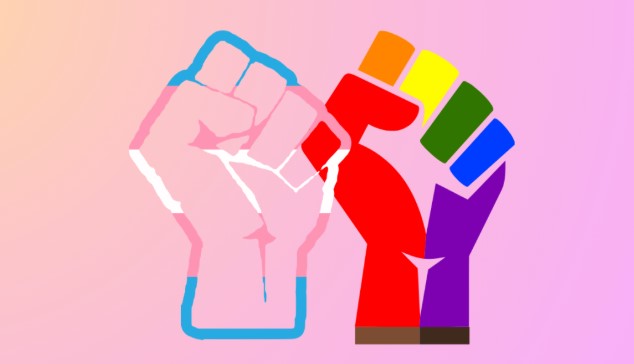
Beyond the Stage: Carmit Bachar’s Heartfelt Thanks and the Enduring Power of LGBTQ+ Solidarity
In the vibrant tapestry of pop culture, certain moments transcend mere headlines, resonating deeply with communities that find solace, strength, and celebration within their folds. Such is the case with former Pussycat Dolls member Carmit Bachar, whose recent expression of gratitude towards the LGBTQ+ community has ignited conversations about mutual support, chosen family, and the profound impact of LGBTQ+ solidarity. Her heartfelt acknowledgment, prompted by news of her exclusion from the group’s highly anticipated reunion, serves as a poignant reminder of the invaluable bond between artists and their queer fanbase, a relationship built on authenticity, resilience, and unwavering adoration.
Bachar, a recognizable face and voice from the iconic girl group, took to Instagram to share her feelings, highlighting that performing at Pride events consistently ranked among the “most meaningful and joyful” moments of her illustrious career. This isn’t just a celebrity thanking fans; it’s a declaration of a genuine connection, a testament to a community that has historically embraced and elevated artists who reflect their spirit, offer an escape, and, crucially, stand with them. In a world where headlines often focus on celebrity drama, Bachar’s message shines as a beacon of genuine appreciation, underscoring the deep-seated loyalty that defines the LGBTQ+ community’s relationship with its allies.
The Heart of the Matter: Carmit’s Message and Its Significance
When an artist speaks directly to their audience, especially in a moment of personal vulnerability, the impact is magnified. Carmit Bachar’s Instagram post wasn’t just a casual thank you; it was a deeply personal reflection on what truly matters to her. Being overlooked for a reunion with a group she helped define must undoubtedly carry a sting. Yet, in that moment of potential disappointment, her thoughts turned to the community that has consistently shown her unconditional love and acceptance. This isn’t a transactional relationship; it’s a spiritual one. The joy she found performing at Pride isn’t just about the cheers; it’s about the shared energy, the freedom, the sense of belonging that permeates these celebrations of queer life.
For many within the LGBTQ+ community, pop stars and performers offer more than just entertainment. They provide anthems for self-acceptance, role models for unapologetic expression, and symbols of resilience against societal pressures. When an artist, particularly one who has been a part of the cultural zeitgeist for decades, acknowledges this profound connection, it validates the community’s importance and reinforces the idea that their support is seen, heard, and cherished. Bachar’s words affirm that the energy exchanged during a Pride performance isn’t just fleeting; it leaves a lasting imprint, capable of providing comfort and strength when other doors might close.
A Legacy of Connection: Pop Icons and the Queer Community
The bond between pop divas, performers, and the LGBTQ+ community is not a new phenomenon; it’s a rich, interwoven history stretching back decades. From Judy Garland to Liza Minnelli, Cher to Madonna, Lady Gaga to Beyoncé, these figures have become more than just entertainers; they are beacons. Why does this connection run so deep?
- Resilience and Authenticity: Many queer individuals resonate with artists who have faced adversity, embraced their true selves, and presented a persona of strength and unwavering individuality. These artists often embody a spirit of survival and defiance, mirroring the experiences of the LGBTQ+ community.
- Escapism and Fantasy: Pop music and elaborate performances offer a vibrant escape from everyday realities, particularly for those facing discrimination or misunderstanding. The glamour, the drama, and the larger-than-life personas provide a space for fantasy and celebration.
- Anthems for Life: Many pop songs, with their themes of self-love, overcoming hardship, and finding your voice, become powerful anthems for the queer community, providing soundtracks for coming out, falling in love, celebrating identity, and marching for rights.
- Mutual Adoration: It’s a two-way street. The LGBTQ+ community offers fierce, loyal, and often highly creative support, while artists often respond by becoming vocal allies, advocates, and champions for queer rights.
Carmit Bachar’s story is a continuation of this legacy, reminding us that these relationships are not abstract but deeply personal. Her joy at Pride is a shared joy, a celebration of a space where everyone belongs, where differences are celebrated, and where the power of collective energy is undeniable.
What Does LGBTQ+ Solidarity Truly Mean?
The term LGBTQ+ solidarity encompasses far more than just showing up for a concert or posting a supportive message. It’s a multifaceted concept built on mutual respect, shared values, and active support. At its core, solidarity means standing together, especially in the face of adversity, and acknowledging the interconnectedness of struggles and triumphs.
For the LGBTQ+ community, solidarity manifests in countless ways:
- Internal Support: Queer people supporting other queer people, fostering safe spaces, sharing resources, and advocating for intersectional identities within the community.
- Allyship: Non-LGBTQ+ individuals actively supporting and advocating for LGBTQ+ rights, listening to queer voices, and challenging discrimination.
- Global Connection: Recognizing that LGBTQ+ rights and experiences vary across the world and offering support to those in less accepting environments.
- Cultural Affirmation: Celebrating queer art, culture, history, and achievements, ensuring visibility and representation.
- Political Advocacy: Working together to push for legislative changes, fight against discriminatory policies, and protect fundamental human rights.
Carmit Bachar’s gratitude highlights the power of this solidarity from the perspective of an artist who has felt its embrace. It’s a reciprocal relationship where the energy and passion of the fans fuel the performer, and in turn, the performer’s acknowledgment validates and uplifts the community. This isn’t just about fame; it’s about finding genuine connection and support in a world that can often feel isolating.
The Digital Tapestry of Support: Online Chats, Dating Apps, and Social Media
In the 21st century, the concept of community and solidarity has found fertile ground in the digital realm. Online platforms have revolutionized how LGBTQ+ individuals connect, find support, and express their solidarity, both with each other and with their allies like Carmit Bachar. Social media, online chat forums, and even dating apps have become crucial spaces for fostering these connections.
Social Media as a Lifeline: Platforms like Instagram (where Bachar posted her message), Twitter, TikTok, and Facebook allow artists to directly communicate with their fans, bypassing traditional media gatekeepers. For queer individuals, this means direct access to figures who inspire them, a space to share their stories, and a platform for collective expression. It’s where fan communities organize, create art, share memes, and offer real-time emotional support. When an artist acknowledges their LGBTQ+ fans, it ripples through these digital spaces, amplifying the message of acceptance and belonging.
Online Chat Forums and Support Groups: Beyond celebrity interactions, the internet hosts countless forums and chat groups dedicated to various facets of LGBTQ+ life. These spaces offer anonymous or pseudonymous environments where individuals can discuss challenges, share triumphs, seek advice, and simply find others who understand their experiences. For those in rural areas or places where face-to-face community is scarce, these digital havens are invaluable for fostering a sense of belonging and solidarity.
Dating Apps: More Than Just Romance: While primarily designed for romantic and sexual connections, LGBTQ+ dating apps like Grindr, HER, Scruff, and Taimi have also evolved into significant community hubs. Users often form friendships, find local events, discover new queer-friendly venues, and even organize informal support networks. The chat functions within these apps can be used for more than just flirting; they can be platforms for sharing news, offering empathy, and building a local network of solidarity, especially for newcomers to a city or those exploring their identity. They can facilitate the transition from online interaction to real-world community building, leading to lasting friendships and support systems.
These digital spaces aren’t just echo chambers; they are active incubators of LGBTQ+ solidarity, enabling individuals to feel less alone, more connected, and empowered to advocate for themselves and their community. They allow for the rapid dissemination of news, calls to action, and celebrations of queer milestones, ensuring that the spirit of solidarity is constantly nurtured and expanded.
Beyond the Spotlight: The Power of Chosen Family
Carmit Bachar’s experience, while unique in its celebrity context, touches upon a universal theme deeply embedded within the LGBTQ+ community: the concept of chosen family. For many queer individuals, biological families may not always provide the unconditional love, understanding, or acceptance that everyone deserves. In these circumstances, individuals often forge deep, meaningful bonds with friends, mentors, and fellow community members who become their “chosen family.”
This chosen family provides a vital support network, offering emotional solace, practical assistance, and a sense of belonging that is often absent elsewhere. It’s a testament to resilience and the human need for connection. When Bachar expresses that performing at Pride was among her most meaningful moments, it speaks to this very idea. The audience at Pride isn’t just a crowd; for many, it’s a family, a collective of individuals who understand and celebrate each other. Her gratitude acknowledges that she feels part of this extended family, finding genuine connection and validation within its embrace.
Her story resonates with anyone who has felt overlooked or excluded from a group they once belonged to, only to find solace and strength in the embrace of a different, perhaps more accepting, community. It underscores the profound psychological and emotional impact of knowing you are truly seen and valued, especially when others fail to do so.
Navigating Exclusion and Finding Strength
The news of Carmit Bachar’s reunion snub is a reminder that even for public figures, the sting of exclusion is real. It’s a feeling many within the LGBTQ+ community know all too well – being left out, marginalized, or deemed ‘not enough’ by mainstream society or even by their own families. This shared experience of navigating exclusion often strengthens the bonds of LGBTQ+ solidarity.
When Bachar turned to her LGBTQ+ fans, she wasn’t just seeking sympathy; she was seeking understanding and a reflection of the love she gives. And the community responded, as it always does, with an outpouring of support and affirmation. This reciprocity is what makes the relationship so powerful. It demonstrates that when one member of the chosen family faces adversity, the others rally around them, offering a sanctuary of acceptance.
This resilience forged through shared experiences of marginalization, combined with the collective strength found in unity, makes the LGBTQ+ community an unparalleled force of support. It’s a community that understands the importance of lifting each other up, especially when the world tries to tear you down.
The Future of Allyship and Community
Carmit Bachar’s story is more than just celebrity news; it’s a vital affirmation of the ongoing importance of LGBTQ+ solidarity. It reminds us that allyship is not passive; it is active, visible, and deeply felt. For artists, it means showing up, speaking out, and genuinely connecting with a community that has often been marginalized. For the community, it means continuing to uplift those who champion them, creating safe spaces, and extending the hand of chosen family to all who need it.
As we look to the future, the lessons from this interaction are clear: the power of genuine connection transcends fame, industry politics, and even group dynamics. It’s found in the shared joy of a Pride celebration, the quiet conversations in online chat rooms, and the unwavering support that defines true solidarity. Let us continue to build and strengthen these bonds, both online and offline, ensuring that everyone, from pop stars to everyday individuals, finds a place where they are not just tolerated, but celebrated.
The enduring power of LGBTQ+ solidarity lies in its ability to transform moments of personal disappointment into opportunities for collective affirmation, proving time and again that when we stand together, we are truly unstoppable.