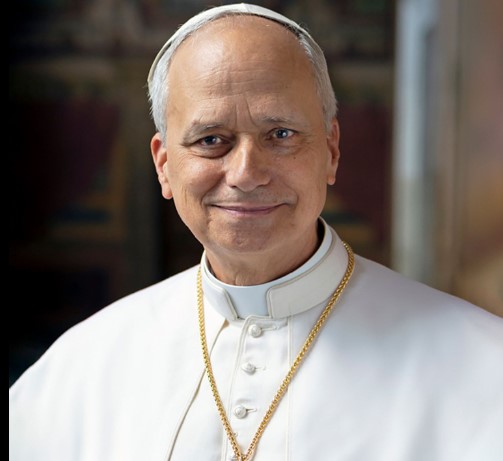
The year 2026 was supposed to be a year of continued synodality and progressive opening for the Catholic Church. However, Pope Leo XIV has made it clear that while the Church’s arms are open, its rulebook remains locked. In a series of high-profile interviews and private consistories in February 2026, the American-born Pontiff officially dismissed any immediate prospects for a shift in the Vatican’s stance on LGBTQ+ rights. For a community that saw glimmers of hope under Pope Francis, the Pope Leo XIV LGBTQ rights stance 2026 represents a return to “compassionate traditionalism”—a policy of welcoming individuals while firmly rejecting their unions.
“Todos, Todos, Todos” vs. Immutable Doctrine Pope Leo XIV frequently echoes his predecessor’s famous “todos, todos, todos” (everyone, everyone, everyone) mantra, insisting that the Church is a home for all children of God regardless of identity. Yet, the 2026 reality is more nuanced. Leo XIV has clarified that “welcoming” does not equal “authorizing.” During a meeting with outreach advocates, he stated that Church teaching on sexuality and marriage is not a matter of “attitude” but of “divine law.” This distinction is crucial for understanding the current Vatican climate, where pastoral care is increasing, but legal recognition remains non-existent.
The Shadow of Fiducia Supplicans A major point of contention in 2026 remains the implementation of Fiducia Supplicans, the 2023 document that allowed for non-liturgical blessings of same-sex couples. While Leo XIV has not rescinded the document, he has significantly narrowed its interpretation. In Northern Europe, particularly Germany, bishops have been pushing for more formalized rituals. Leo’s response was a characteristically firm “no,” arguing that ritualizing these blessings creates “scandalous confusion” regarding the nature of marriage. This legislative tightening is a far cry from the political progress seen in secular Europe, such as the leadership of Rob Jetten, whose role as a gay leader in the Netherlands stands in stark contrast to the Vatican’s rigid hierarchy.
A Global Divide: Western Progress vs. Ecclesial Tradition The Pope Leo XIV LGBTQ rights stance 2026 is not just a theological debate; it has real-world consequences for LGBTQ+ Catholics in conservative regions. By reaffirming that marriage is strictly between a man and a woman, the Vatican provides a moral shield for governments looking to maintain or enact restrictive LGBTQ identity laws 2026. For many, this creates a profound spiritual crisis, leading them to seek community and validation in digital safe havens like Menchats, where identity is celebrated rather than merely “tolerated.”
The Role of Progressive Advocacy Despite the Pope’s firm stance, the internal resistance is stronger than ever. Figures like Father James Martin continue to bridge the gap, meeting with the Pope to ensure that LGBTQ+ voices aren’t silenced. They argue that if the Church wants to remain relevant to Gen Z and Alpha, it must do more than offer “pastoral crumbs.” As we’ve seen in our analysis of LGBTQ AI mental health support 2026, institutional rejection is a leading cause of trauma, and the Church’s current “open but closed” policy may be exacerbating this trend.
Conclusion: The Unfolding Legacy of Leo XIV Pope Leo XIV is playing a long game. By prioritizing Church unity over doctrinal reform, he hopes to appease both the conservative wing and the progressive laity. However, in a world where human rights are rapidly evolving, the Vatican’s static position may eventually lead to a permanent schism. At gay-chat.org, we will continue to monitor how this “quiet restoration” affects the lives of queer believers worldwide. The fight for dignity continues, both within the pews and on the streets.
⚖️ Explore More Global LGBTQ+ Updates:
- Rob Jetten 2026 Analysis: The political peak of queer leadership.
- Menchats Comprehensive Guide: Finding community when institutions fail.
- LGBTQ Identity Laws 2026: A state-by-state and country-by-country breakdown.
- LGBTQ AI Mental Health: Navigating faith-based trauma with technology.