Beyond Mimosa: Unpacking the Brunch Gay Identity and Its Place in Queer Culture
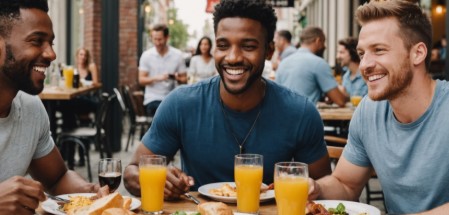
The scent of freshly brewed coffee, the clinking of champagne flutes, the vibrant chatter of friends – for many, brunch is more than just a meal; it’s a cherished ritual, a weekend highlight. But within the LGBTQ+ community, the concept of the “Brunch Gay Identity” has become a fascinating, often polarizing, cultural touchstone. The recent buzz from Queerty, asking “Are you a brunch gay?” and seeing members of our community sound off on this ‘most polarizing meal,’ highlights a deeper conversation about stereotypes, self-identification, and the evolving tapestry of queer culture. This isn’t just about eggs Benedict; it’s about belonging, visibility, and the nuanced ways we define ourselves and each other.
For decades, certain cultural markers have been ascribed to gay men – from a penchant for pop music to a flair for interior design. Brunch, with its indulgent atmosphere and social cadence, has undeniably joined this pantheon. But what does it truly mean to identify, or be identified, as a “brunch gay”? Is it a joyful embrace of a shared cultural experience, or a restrictive stereotype that inadvertently marginalizes those who don’t fit the mold? Let’s dive deep into the origins of this identity, its impact on our community, and why, perhaps, the most important meal we can share is one of acceptance and understanding.
The Rise of the ‘Brunch Gay’ Stereotype
To understand the current conversation, we must first trace the origins of the ‘brunch gay’ stereotype. Like many stereotypes, it didn’t just appear out of nowhere; it’s a confluence of historical context, media portrayal, and genuine cultural adoption.
Where Did It Come From?
Historically, queer spaces were often confined to nightlife – dimly lit bars, clandestine clubs, and after-hours gatherings. These venues provided sanctuary, but primarily under the cloak of darkness. As the LGBTQ+ rights movement gained traction and visibility increased, so did the desire for daytime social spaces where queer people could gather openly, safely, and joyfully. Brunch, typically enjoyed on weekends, offered the perfect antidote to the work week and an accessible, less formal alternative to dinner parties.
Media, both mainstream and queer-specific, also played a significant role. Think of iconic shows like Sex and the City, where brunch was a central ritual for its characters to dissect their lives. While not explicitly queer, it established brunch as a sophisticated, social, and often gossipy affair. For queer communities, particularly gay men in metropolitan areas, brunch became a visible and vibrant expression of newfound freedom and camaraderie. It was a space where chosen families could convene, catch up, and simply exist without fear of judgment, often with a celebratory drink in hand.
The Allure of Brunch: More Than Just a Meal
Beyond its social aspect, brunch offers a unique set of appeals that resonate with many in the queer community. It’s a liminal space – not quite breakfast, not quite lunch – allowing for a leisurely pace that encourages deep conversation and relaxation. It often takes place in aesthetically pleasing environments, appealing to a demographic often credited with an appreciation for style and design. And, let’s be honest, who doesn’t love a mimosa or a bloody Mary on a Sunday afternoon?
For many, brunch is a celebration. It’s a reward for surviving the week, a moment to indulge, and an opportunity to create joy with loved ones. For a community that has historically faced immense struggles, creating these moments of unadulterated happiness and visible togetherness holds profound significance. It’s a chance to build community, share stories, and reinforce bonds outside the more intense, often political, spheres of activism.
More Than Just Mimosas: Debunking Stereotypes
While the ‘brunch gay’ identity can be a source of shared joy, it also risks becoming a limiting stereotype. No community is a monolith, and the LGBTQ+ community is perhaps one of the most diverse groups imaginable.
The Spectrum of Queer Experiences
The idea that all gay men love brunch, or that loving brunch makes one ‘more gay,’ is as reductive as saying all straight people love football. Our community is a vast spectrum of individuals with diverse tastes, interests, and lifestyles. There are gay men who prefer hiking to huevos rancheros, who’d rather spend their Sunday at a quiet cafe with a book, or who are deeply invested in entirely different subcultures within the queer umbrella. To suggest a universal ‘brunch gay’ identity ignores the rich tapestry of experiences that make up our community.
Stereotypes, even seemingly innocuous ones, can inadvertently create divisions and foster a sense of ‘otherness’ within our own ranks. They can put pressure on individuals to conform to an image that doesn’t authentically represent them, or conversely, to vehemently reject something that might actually bring them joy, simply because it’s been labeled.
When Stereotypes Hurt
The danger of stereotypes lies in their ability to flatten identity. When the ‘brunch gay’ becomes the default image, it can lead to internal pressures or even judgment. Imagine a young gay man who prefers staying in and playing video games feeling less ‘gay’ because he doesn’t resonate with the boisterous brunch scene. Or, consider the frustration of those who feel their interests are dismissed as shallow or superficial if they do enjoy brunch, simply because of the stereotype.
This isn’t about shaming anyone for enjoying brunch; it’s about questioning the rigidity of the label. True liberation for the queer community means the freedom to define ourselves, individually and collectively, on our own terms, without feeling constrained by external expectations or internal pressures to fit a particular mold.
Brunch as a Queer Space: Connection and Visibility
Despite the potential pitfalls of stereotyping, it’s undeniable that brunch has carved out a significant, and often positive, niche within queer culture. For many, it’s a vital space for connection and visibility.
Building Community One Benedict at a Time
Queer people often rely on ‘chosen family’ – networks of friends who provide the support and love that biological families sometimes cannot or do not. Brunch provides an informal, low-stakes environment for these chosen families to gather regularly. It’s a recurring touchstone, a moment to strengthen bonds, share vulnerabilities, and celebrate successes. In a world that can still be hostile, these safe spaces, whether a bustling restaurant or a quiet backyard gathering, are invaluable.
Beyond personal connections, brunch spots in queer-friendly neighborhoods often become de facto community hubs. They are places where one can see and be seen, where a shared glance across a table can communicate solidarity, and where the simple act of existing openly in public is a quiet, powerful form of activism. This public visibility, even in mundane settings like a weekend meal, chips away at the invisibility many queer people still feel.
Celebrating Joy and Visibility
The joy found at a drag brunch, for example, encapsulates this perfectly. It’s a vibrant, unapologetically queer event that combines performance, food, and community. It’s a loud, proud declaration of queer existence and happiness. These events aren’t just entertainment; they’re celebrations of resilience, artistry, and collective identity, demonstrating that queer joy can be found and celebrated in broad daylight, not just in the shadows.
This visibility extends beyond physical spaces. Our community also thrives online, where digital platforms offer a different kind of gathering space. While brunch offers face-to-face connection, platforms like chat rooms and forums allow for immediate, often anonymous, connection across geographical boundaries. When navigating these digital realms, especially for sensitive conversations or forming new bonds, ensuring personal information is protected is paramount. For those looking to connect safely online, resources like a secure gay chat guide can provide essential tools and tips for digital privacy and well-being.
The Digital Age and Our Identities
The conversation around the ‘brunch gay’ also highlights a broader shift in how we connect and define ourselves in the digital age. While physical spaces remain crucial, online communities have reshaped our social landscapes.
Connecting Beyond the Table
Online dating apps, social media groups, and forums have diversified the ways queer people meet and interact. You can find niche communities for every interest imaginable, far beyond the confines of a single meal. This digital expansion means that identity markers, while still present, are constantly evolving and intersecting. A ‘brunch gay’ might also be a ‘gamer gay,’ a ‘fitness gay,’ or an ‘activist gay’ – identities that are easily explored and expressed online.
This expansion offers a more inclusive vision of queer life, allowing individuals to find their tribes regardless of their proximity to traditional queer hubs. It allows for the celebration of multiple facets of one’s identity, moving beyond singular labels and embracing the complexity of who we are. From sharing recommendations for the best new brunch spot to discussing intricate details of queer historical fiction, the digital sphere facilitates a continuous, multifaceted dialogue that complements our in-person interactions.
Furthermore, the digital world plays a critical role in how we consume and engage with queer narratives. From viral TikTok trends celebrating queer joy to the highly anticipated representation in mainstream media, online platforms amplify our stories and shape public perception. The excitement around queer romance storylines, such as the upcoming Bridgerton Season 5 featuring Francesca and Michaela, demonstrates the power of these narratives in reflecting and shaping our community’s evolving identity and desire for authentic representation. These stories, shared and discussed online, contribute to a richer, more diverse understanding of what it means to be queer today.
Embracing Authenticity: Beyond Labels
Ultimately, the discussion around the ‘brunch gay identity’ serves as a microcosm for a larger, more profound conversation within the LGBTQ+ community: the ongoing journey toward embracing authenticity and dismantling limiting labels.
What Does It Mean to Be ‘Gay’ Today?
Today, being gay, or identifying as any part of the LGBTQ+ spectrum, is increasingly about self-definition. It’s about understanding that identity is fluid, multifaceted, and deeply personal. There is no singular ‘right’ way to be gay. Whether you spend your Sundays at a bottomless mimosa brunch, volunteering at a shelter, or simply enjoying a quiet morning at home, your experience is valid and authentically your own.
The beauty of our community lies in its diversity. We are artists, athletes, introverts, extroverts, urban dwellers, rural residents, brunch aficionados, and brunch skeptics. Each thread contributes to a vibrant, resilient, and ever-evolving tapestry. To truly celebrate this diversity, we must resist the urge to box ourselves or others into neat categories, even if those categories seem to come from a place of affection or shared experience.
The Power of Self-Acceptance
The most important takeaway from this conversation is the power of self-acceptance. Embracing who you are, what you love, and how you choose to spend your time, free from the constraints of societal or even communal expectations, is a radical act of self-love. If brunch brings you joy and connection, lean into it. If it doesn’t, that’s perfectly fine too.
The ‘brunch gay’ might be a fun, identifiable archetype, but it is just one facet of a much larger, more complex, and wonderfully diverse community. Let’s continue to challenge stereotypes, celebrate our differences, and create spaces – both physical and digital – where every queer person feels seen, valued, and empowered to express their authentic self, no matter how they choose to spend their Sunday morning.