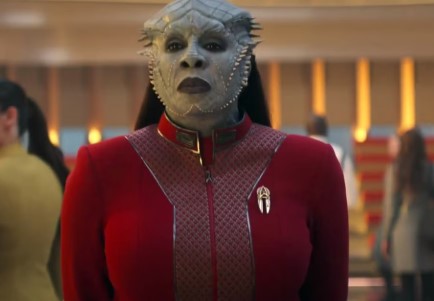
Beyond the Hull Breach: Why the Starfleet Academy Cancellation Hits Hard for Diverse Fandoms
The universe of Star Trek has always been a beacon of hope, a vision of a future where diversity is celebrated, and humanity’s potential knows no bounds. For decades, it has served as a mirror, reflecting our aspirations while challenging us to confront our prejudices. So, when news broke about the cancellation of Starfleet Academy, especially after a second season had already been filmed, it wasn’t just another show ending. For many, particularly within the LGBTQ+ community and allied fandoms, it felt like a significant moment, prompting discussions about representation, the volatile nature of streaming services, and the enduring power of community.
A Premature End: The Shock of Starfleet Academy’s Cancellation
The announcement from Paramount+ on Monday, March 23rd, 2026, landed like a photon torpedo strike to the heart of the Star Trek fandom. Star Trek: Starfleet Academy, a series that promised to explore the formative years of cadets navigating the rigorous training grounds of Starfleet, was to conclude after its second season. The first season had recently wrapped, and the second was already in the can, making the decision particularly jarring. This isn’t just a standard cancellation; it’s a halt to a story that was already halfway told, leaving fans to wonder about the narratives and characters they might never fully get to know.
The immediate reactions from the cast, notably Gina Yashere – a prominent Black, openly queer comedian – echoed a sentiment shared by many disappointed viewers: ‘Stay woke.’ This wasn’t a casual remark; it was a pointed call to awareness, suggesting that the cancellation might intersect with broader issues of representation and the value placed on diverse narratives in mainstream media. When a show with the potential for rich, inclusive storytelling is cut short, it often sparks a deeper conversation within communities that rely on such media for visibility and affirmation.
Star Trek’s Enduring Legacy of Inclusion
To truly understand the impact of this news, we must first appreciate Star Trek’s unparalleled legacy as a trailblazer for diversity in media. From Lieutenant Uhura, one of the first Black women in a significant non-servant role on television in the 1960s, to Sulu’s groundbreaking casual reveal of his same-sex partner in Star Trek Beyond, the franchise has consistently pushed boundaries. Star Trek: Discovery, in particular, made significant strides with its openly gay characters, including Stamets and Culber, and the introduction of Adira and Gray, the franchise’s first non-binary and trans characters, respectively.
The news summary itself highlighted a powerful moment: ‘Star Trek’s first gay Klingon actor shares touching email from George Takei.’ This isn’t just trivia; it’s a testament to the franchise’s evolving commitment to LGBTQ+ representation and the intergenerational support within its community. George Takei, an icon who bravely came out later in life, passing on wisdom and encouragement to a new generation of queer actors carrying the torch, speaks volumes about the ethos of Star Trek. It’s a universe designed to reflect the best of humanity, and that includes celebrating every facet of identity.
The Promise of Starfleet Academy: A Universe of Potential
While details about the specific LGBTQ+ storylines within Starfleet Academy may not have been widely known, the very premise of a show set within the diverse, coming-of-age environment of Starfleet’s training grounds held immense promise. An academy setting is a microcosm of society, ripe for exploring themes of identity formation, budding relationships, and finding one’s place in a vast, inclusive future. For young queer individuals, seeing characters navigate these universal experiences through a diverse lens, within a respected franchise like Star Trek, can be profoundly validating.
A show like Starfleet Academy could have showcased young cadets from myriad backgrounds, cultures, and sexual orientations learning, growing, and forming the bonds that would define their future Starfleet careers. It could have normalized queer relationships and experiences from the very beginning of a character’s journey, further embedding LGBTQ+ representation into the fabric of the Star Trek universe. The cancellation feels like a lost opportunity to tell these crucial stories at a foundational level, impacting viewers who yearn for that authentic representation.
‘Stay Woke’: A Call for Conscious Consumption and Creation
Gina Yashere’s ‘stay woke’ comment transcends a simple lament. It’s a powerful statement reflecting the ongoing cultural conversation about social awareness and justice. In the context of media, ‘stay woke’ is a reminder to remain vigilant about whose stories are being told, who gets to tell them, and why certain narratives might be prioritized or discarded. For the LGBTQ+ community, representation isn’t just a bonus; it’s vital for fostering understanding, reducing stigma, and providing positive role models.
When a show that contributes to this growing tapestry of diverse voices is cancelled, especially under circumstances where a significant amount of content is already produced, it raises questions. Are diverse narratives seen as less profitable? Is there a subtle pushback against ‘woke’ content, as some segments of the audience and media commentators often lament? Yashere’s comment serves as a rallying cry for fans and creators alike to not become complacent in the fight for inclusive storytelling, to question the decisions made by powerful media corporations, and to continue advocating for media that truly reflects the diverse world we live in.
The Volatile Landscape of Streaming: A Niche Community’s Challenge
The cancellation of Starfleet Academy also highlights the often-brutal realities of the modern streaming landscape. In the era of the ‘streaming wars,’ platforms like Paramount+ are under immense pressure to attract and retain subscribers. Decisions are often driven by complex algorithms, viewing figures, cost-per-subscriber metrics, and overall perceived marketability, rather than purely artistic merit or the dedication of niche fanbases.
Shows that cater to specific, often underrepresented, demographics can be particularly vulnerable. While Star Trek has a massive global following, individual spin-offs may struggle to hit the dizzying numbers required to justify their continued existence in a hyper-competitive environment. This presents a unique challenge for communities like the LGBTQ+ audience, who often gravitate towards shows that offer authentic representation. When these shows are cancelled, it feels like a double blow: not only is a beloved story cut short, but it also raises concerns about whether their voices are truly valued by the industry.
The fact that an entire second season was already filmed makes the decision even more perplexing and, frankly, frustrating for fans. It suggests a sudden shift in strategy or a significant re-evaluation of the show’s viability, perhaps indicating broader financial pressures on the streaming service rather than a lack of quality or audience engagement for the season already produced.
Fandom, Community, and Connection: The Digital Heart of Star Trek
Beyond the screens, Star Trek has always fostered incredibly vibrant and dedicated communities. Online forums, social media groups, and fan conventions are vital spaces where people connect over shared passions. For many LGBTQ+ individuals, these fandom spaces are more than just hobbies; they are safe havens, places where they can be their authentic selves, find like-minded friends, and even forge romantic connections. Shared interests like a love for Star Trek often form the bedrock of friendships and relationships, with discussions extending from favorite episodes to personal experiences, and yes, even to navigating online chat and dating culture.
The cancellation of a show that embodies the ideals of diversity and acceptance, or holds the potential to do so, impacts these communities deeply. It can feel like a disruption to a shared cultural touchstone, a collective loss. When cast members like Gina Yashere speak out, it resonates because it validates the feelings of a community that often feels marginalized or overlooked. These online spaces then become crucial for processing disappointment, sharing grief, and strategizing how to continue advocating for the representation they deserve.
For those navigating online dating, mentioning Star Trek can be an instant ice-breaker, a signifier of shared values and intellectual curiosity. The franchise’s ethos of exploration, acceptance, and a future free from prejudice often aligns with the values many LGBTQ+ individuals seek in relationships. A show like Starfleet Academy, focusing on young cadets, could have inspired a new generation of fans, deepening these connections and fostering even more vibrant online and real-world communities.
Navigating the Future: A Call to Continue the Mission
The cancellation of Starfleet Academy is undoubtedly a disappointment, particularly for those who champion diverse and inclusive storytelling. It serves as a stark reminder of the fragile nature of media production and the constant need for advocacy.
- Support Inclusive Content: Continue to actively seek out and support shows that prioritize diverse representation. Your viewership, subscriptions, and voices matter.
- Engage with Communities: Lean into the power of fandom. Online spaces are crucial for discussion, support, and collective action. Use platforms to express your desires for more inclusive storytelling.
- Demand Transparency: Challenge media companies to be more transparent about their decision-making processes, especially when it impacts communities disproportionately.
- Remember the Mission: Star Trek’s core mission – to boldly go where no one has gone before, to explore strange new worlds, to seek out new life and new civilizations – includes embracing every individual within our own world, both on and off screen.
While the immediate future of Starfleet Academy may be truncated, the mission for authentic and expansive representation in the Star Trek universe, and indeed across all media, remains vital. As Gina Yashere urges, we must ‘stay woke,’ continue to advocate for the stories that matter, and ensure that the future, both fictional and real, remains diverse, inclusive, and boldly goes forward.