Idaho’s Pride Flag Ban: A Deep Dive into LGBTQ+ Visibility and Community Resilience
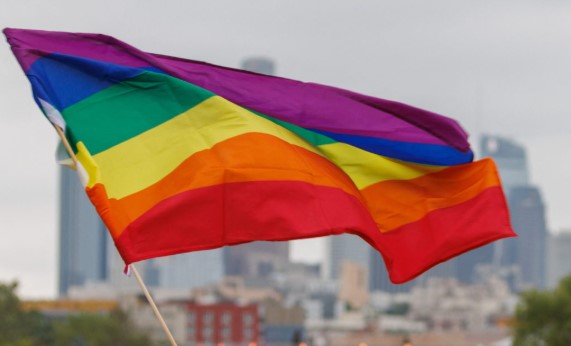
The vibrant colors of the Pride flag aren’t just fabric; they represent a spectrum of identities, a history of struggle, and a beacon of hope for millions. For the LGBTQ+ community, it’s a powerful symbol of acceptance, visibility, and belonging. Yet, this very symbol is now under threat in Idaho, as a proposed **Pride flag ban** looms large, casting a shadow over the state’s cities and the communities they serve. This isn’t merely about a piece of cloth; it’s about the fundamental right to exist visibly, to express solidarity, and to foster inclusive environments where everyone feels safe and seen.
On Tuesday, March 24th, the Idaho Senate passed House Bill 561, a piece of legislation that would empower the state to fine cities thousands of dollars for flying specific banners and flags deemed ‘disallowed’ – a category widely understood to encompass the Pride flag. This bill, having previously passed the House on March 5th, now returns to them for final consideration. The implications extend far beyond the state capital; they resonate deeply within the hearts of LGBTQ+ individuals, their allies, and anyone who believes in the power of public expression as a cornerstone of a free and equitable society. As professional lifestyle, culture, and community writers, it’s our duty to peel back the layers of this news, explore its profound impact, and understand what it means for the ongoing fight for visibility, both online and offline.
Unpacking House Bill 561: The Mechanics of Exclusion
To fully grasp the gravity of this situation, we must first understand the specific mechanisms of House Bill 561. This legislation, as passed by the Idaho Senate, isn’t a direct ban on the Pride flag by name. Instead, it employs a broader, more ambiguous language, stating that cities could face significant fines – potentially thousands of dollars – for displaying ‘disallowed’ flags or banners. The unstated but widely understood target is the Pride flag, which many municipalities have proudly flown to signal their commitment to diversity and inclusion.
- The Language of Control: The bill’s wording is carefully crafted, avoiding explicit mention of the Pride flag, but its intent is clear. Proponents argue it’s about maintaining neutrality or preventing ‘political’ displays on public property. However, for the LGBTQ+ community, the Pride flag is not a political statement in the partisan sense; it’s an affirmation of human rights and identity.
- Financial Coercion: The threat of substantial fines places an enormous burden on local governments. Many cities that wish to demonstrate support for their LGBTQ+ residents might be forced to choose between financial stability and visible inclusivity. This effectively curtails local autonomy and punishes acts of solidarity.
- Legislative Journey: The fact that this bill has made it through both legislative chambers speaks to a concerning trend in certain state legislatures. While it still faces a final hurdle, its progress signals a significant challenge to LGBTQ+ rights and visibility within Idaho.
This legislative maneuver is a textbook example of how policies can be designed to suppress specific communities without explicitly naming them, creating a chilling effect that discourages open support and recognition. It forces us to ask: what is truly ‘disallowed,’ and whose values are being upheld at the expense of others?
More Than Just Fabric: The Profound Symbolism of the Pride Flag
For those outside the LGBTQ+ community, the Pride flag might simply be a colorful banner. But for queer individuals and their allies, it is a potent emblem rich with history, struggle, and profound meaning. Understanding this depth is crucial to comprehending the impact of any attempt to restrict its display.
- A Tapestry of History: Created by artist Gilbert Baker in 1978, each color of the original Pride flag holds significance: hot pink for sex, red for life, orange for healing, yellow for sunlight, green for nature, turquoise for magic/art, indigo for serenity, and violet for spirit. While variations have emerged, the core message of celebrating diversity and identity remains.
- A Beacon of Visibility: For generations, LGBTQ+ individuals were forced into the shadows. The Pride flag, especially in public spaces, acts as a visible declaration: ‘You are not alone. You are welcome here.’ This visibility is not just symbolic; it’s a lifeline, especially for youth struggling with their identity in potentially unsupportive environments.
- A Symbol of Solidarity and Acceptance: When a city hall or a local business flies the Pride flag, it sends a powerful message of inclusion to its LGBTQ+ residents and visitors. It signifies a safe space, an ally, a community that values diversity. In a world where discrimination still persists, these visible affirmations are invaluable for mental well-being and a sense of belonging.
- A Reminder of Ongoing Struggle: The flag also serves as a reminder that the fight for full equality is ongoing. It honors those who came before, celebrates progress, and motivates continued advocacy. Suppressing its display attempts to erase this history and silence this ongoing dialogue.
The Pride flag is a testament to resilience, a celebration of identity, and a call for a more equitable future. Its presence in public spaces normalizes LGBTQ+ existence and fosters environments of understanding and acceptance. To remove it is to strip away a layer of that vital support structure.
A Chilling Effect: The Impact on LGBTQ+ Communities in Idaho
The potential for a **Pride flag ban** in Idaho carries a heavy weight, promising a chilling effect on the state’s LGBTQ+ communities. This isn’t an abstract legal debate; it’s a policy that directly impacts the daily lives, sense of safety, and overall well-being of thousands of individuals.
- Increased Isolation and Fear: When public displays of support are removed, it can foster an environment where LGBTQ+ individuals, particularly youth, feel more isolated and vulnerable. It sends a message that their identities are unwelcome or controversial, potentially increasing feelings of shame or fear of discrimination.
- Diminished Sense of Safety: Visible Pride flags often delineate safe spaces. Without them, it can become harder for LGBTQ+ individuals to identify businesses, organizations, or even entire municipalities that are genuinely inclusive and supportive. This can lead to anxiety and a reluctance to engage fully with their local communities.
- Impact on Community Events and Organizations: Pride celebrations, community centers, and support groups often rely on public visibility to attract participants and communicate their mission. A bill that fines for such displays could inadvertently (or intentionally) hinder these vital community-building efforts, making it harder to organize and attract allies.
- Economic and Social Ramifications: Beyond individual impact, such legislation can damage a state’s reputation. It may deter LGBTQ+ individuals and their allies from moving to or visiting Idaho, potentially impacting tourism, talent attraction, and overall economic vitality. Businesses committed to diversity might reconsider their presence in a state seen as hostile to certain communities.
- The ‘Slippery Slope’: Critics often warn of a ‘slippery slope’ when specific forms of expression are targeted. If the Pride flag can be ‘disallowed,’ what other forms of identity-based expression might be next? This sets a dangerous precedent for censorship and the erosion of free expression for marginalized groups.
The cumulative effect is a society where a significant portion of the population feels marginalized and undervalued, leading to broader societal fragmentation and a reduction in civic engagement from those who feel targeted.
Historical Context: A Pattern of Targeting LGBTQ+ Rights
The Idaho bill is not an isolated incident; it fits into a broader, disturbing pattern of legislative efforts across the United States aimed at curtailing the rights and visibility of the LGBTQ+ community. Understanding this historical context is crucial to recognizing the strategic nature of such legislation.
- Post-Marriage Equality Backlash: Following the landmark Obergefell v. Hodges Supreme Court decision in 2015, which legalized same-sex marriage nationwide, many conservative legislatures shifted their focus. The battleground moved from marriage to other aspects of LGBTQ+ life, including transgender rights, bathroom bills, ‘Don’t Say Gay’ laws, and now, symbolic visibility.
- Targeting Transgender Youth: In recent years, there has been an alarming surge in bills targeting transgender youth, restricting access to gender-affirming care, participation in sports, and even the right to use bathrooms aligning with their gender identity. These bills often rely on misinformation and fear-mongering.
- Freedom of Speech vs. ‘Government Speech’: Opponents of Pride flag displays often invoke concepts like ‘government neutrality’ or ‘government speech’ doctrine to justify restricting flags on public property. However, this argument is frequently selective, applied only to symbols of marginalized groups while allowing other, more traditionally accepted symbols (like flags of sports teams or local causes) to fly.
- The Power of State Legislatures: While federal protections exist, much of the legislative battle for equality is fought at the state level. State laws can create significant disparities in rights and protections depending on where an LGBTQ+ individual lives, making advocacy at this level incredibly important.
This ongoing legislative assault underscores that the fight for LGBTQ+ equality is far from over. Each bill, like Idaho’s potential **Pride flag ban**, is a reminder of the vigilance required to protect and advance human rights.
Visibility in the Digital Age: Bridging the Online and Offline Divide
In an increasingly digital world, the need for safe spaces and visible affirmation transcends physical boundaries. When physical symbols like the Pride flag are challenged, online platforms become even more critical for LGBTQ+ individuals seeking connection, support, and visibility.
- Online Chat and Dating Culture: Platforms like Grindr, Tinder, Hinge, and dedicated LGBTQ+ dating apps are not just for romance; they are vital community hubs. Users often signal their identity, pronouns, and support for the community through profile badges, avatars, and chosen language. These digital ‘flags’ serve a similar purpose to their physical counterparts, fostering connections and indicating safe interactions.
- Digital Community as a Lifeline: For those living in areas where offline visibility is restricted or hostile, online forums, social media groups, and virtual communities offer crucial lifelines. They provide spaces for sharing experiences, seeking advice, finding allies, and building a sense of belonging that might be absent in their immediate physical surroundings.
- The Power of the Internet for Advocacy: While a physical flag might be removed, the internet allows for rapid information dissemination and advocacy. News about the Idaho bill quickly spread, mobilizing activists, allies, and supporters to speak out, organize, and plan responses. Digital visibility can counter physical suppression.
- Challenges of Online Spaces: It’s important to acknowledge that online spaces, while invaluable, are not without their challenges. They can also be fertile ground for misinformation, hate speech, and harassment. This underscores the importance of fostering truly inclusive and moderated digital environments.
The digital realm offers a powerful complement to physical activism, but it can never fully replace the impact of visible, physical representation. The ability to see a Pride flag flying in a public square signifies an embrace by the broader society, not just a curated online community.
Community Resilience and Advocacy: What Comes Next?
Despite the challenges posed by bills like Idaho’s HB 561, the LGBTQ+ community and its allies have a long history of resilience, advocacy, and unwavering determination. The response to this potential **Pride flag ban** will undoubtedly be multi-faceted and robust.
- Local and National Advocacy: LGBTQ+ rights organizations, both within Idaho and nationally, will be at the forefront of the fight. This includes lobbying efforts, public awareness campaigns, and potentially legal challenges if the bill becomes law. Groups like the ACLU of Idaho, Human Rights Campaign, and local Pride organizations will mobilize their networks.
- Grassroots Mobilization: The power of grassroots activism cannot be underestimated. Petitions, protests, letter-writing campaigns to legislators, and social media movements will play a crucial role in demonstrating public opposition and pressuring lawmakers.
- Voter Engagement: Ultimately, political change often comes through the ballot box. Advocacy groups will focus on educating voters about the stances of their elected officials and encouraging participation in upcoming elections to support candidates who champion equality.
- Support for Local Municipalities: Cities that wish to continue showing support for their LGBTQ+ residents may explore alternative ways to express inclusivity that fall outside the scope of the bill, or openly defy it and prepare for the legal consequences, potentially leading to court battles.
- Community Building: Even in the face of adversity, the LGBTQ+ community strengthens its internal bonds. This might involve creating more private safe spaces, amplifying queer voices, and ensuring that those affected know they are not alone.
Every act of resistance, every voice raised, and every show of support contributes to the larger movement for equality. It is through these collective efforts that progress is made, even in the face of setbacks.
A Call to Action and Reflection
The potential **Pride flag ban** in Idaho is a stark reminder that rights, once gained, are not permanently secured. They require constant vigilance, advocacy, and the unwavering commitment of individuals and communities. The Pride flag, in all its colorful glory, symbolizes not just identity but also the enduring fight for human dignity and the freedom to express who we are without fear of reprisal.
As members of a diverse and interconnected global community, we have a responsibility to stand in solidarity with those whose rights and visibility are being challenged. Whether you’re an LGBTQ+ individual, an ally, or simply someone who believes in fairness and equality, there are ways to contribute:
- Stay Informed: Follow reputable news sources and LGBTQ+ advocacy organizations for updates on this and similar legislation.
- Speak Out: Contact your elected officials, share information on social media, and engage in respectful dialogue with those around you.
- Support Organizations: Donate time or resources to local and national LGBTQ+ advocacy groups.
- Be an Ally: In your daily life, actively create inclusive spaces, challenge discrimination, and support LGBTQ+ individuals in your circles.
The fight for visible acceptance in the physical world is intertwined with the need for welcoming spaces online. Let us ensure that both realms remain vibrant, safe, and celebratory of all identities. The spirit of Pride endures, resilient and resolute, in every heart that believes in a more just and inclusive world.