The Great Stand Up To Cancer Bake Off is known for its heartwarming moments, nail-biting finishes, and, often, surprising bursts of comedy. This season, comedian Rose Matafeo delivered a particularly memorable quip, joking that ‘straight woman’ is the ‘worst sexuality.’ While delivered with her signature deadpan charm, Matafeo’s comment isn’t just a throwaway line; it’s a brilliant example of **queer humor** – a genre that masterfully blends self-awareness, social critique, and genuine warmth. For the LGBTQ+ community, and indeed anyone navigating the complexities of identity in the modern world, this kind of humor is far more than just entertainment; it’s a vital tool for connection, resilience, and even revolution.
Rose Matafeo: A Voice of Quirky Authenticity
Rose Matafeo has carved out a unique space in the comedy world. Known for her critically acclaimed Edinburgh Fringe show ‘Horndog’ and her popular rom-com series ‘Starstruck,’ she brings a refreshing blend of wit, awkwardness, and intellectual curiosity to her performances. Her comedic style often zeroes in on the relatable anxieties and absurdities of modern life, particularly from the perspective of a millennial woman trying to figure things out. Her previous, often hilarious, discussions about her sexuality and dating experiences resonate deeply with an audience hungry for authentic voices that aren’t afraid to be vulnerable or a little bit messy.
The Nuance of Her Humor
Matafeo’s joke about ‘straight woman’ being the ‘worst sexuality’ is a classic example of ‘punching up’ humor – a comedic tactic where the target of the joke is a dominant group or societal norm, rather than a marginalized one. In a world still largely shaped by heteronormativity, even in ostensibly progressive spaces, a playful jab at the perceived mundane nature or specific cultural quirks associated with ‘straight woman’ identity can be incredibly cathartic and insightful. It’s not an attack on individuals but a light-hearted, yet pointed, critique of societal expectations and the often-unexamined assumptions embedded within mainstream culture. It flips the script, inviting audiences to consider perspectives from outside the dominant narrative, and in doing so, opens a space for shared understanding and laughter.
The Deep Roots of Queer Humor in Community
The ability to laugh in the face of adversity, to find common ground through shared experiences, and to articulate unspoken truths through wit is a cornerstone of the LGBTQ+ community. From the coded language of early queer communities to the vibrant stand-up specials of today, **queer humor** has always served multiple functions: a coping mechanism against discrimination, a means of building solidarity, and a powerful form of protest.
From Coded Messages to Open Laughter
Historically, queer humor often manifested in veiled jokes, double entendres, and subtle nods that only those ‘in the know’ would understand. This served as both a protective shield and a way to identify fellow community members in less tolerant times. Think of the drag queens of yesteryear, using performance and witty repartee to subvert gender norms and comment on society under the guise of entertainment. These performances were not just for show; they were essential spaces for community, joy, and the defiant celebration of identity.
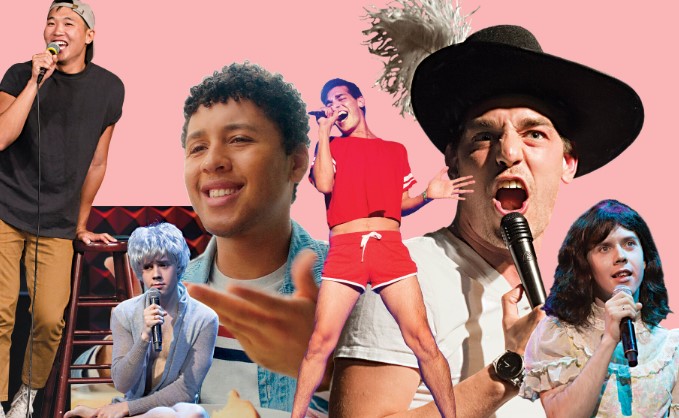
As LGBTQ+ visibility has grown, so too has the openness and directness of **queer humor**. Comedians like Rose Matafeo, Hannah Gadsby, Wanda Sykes, Billy Eichner, and Mae Martin, among countless others, openly weave their experiences with sexuality, gender, and identity into their acts. They share stories of coming out, dating, navigating family expectations, and dealing with societal prejudices, all filtered through a lens of sharp, often self-deprecating, wit. This openness creates a powerful sense of recognition and belonging for LGBTQ+ audiences, who see their lives reflected and validated on stage.
Humor as a Shield and a Sword
For many within the LGBTQ+ community, humor is a vital tool for processing trauma and discrimination. It allows individuals to take ownership of narratives that have historically been used against them, transforming pain into power and ridicule into resilience. When a comedian, particularly one from a marginalized group, makes a joke that hits close to home for their audience, it’s an acknowledgement, a shared sigh of relief, and an empowering act all at once. It’s a shield against the negativity and a sword to cut through prejudice.
Beyond individual coping, **queer humor** also acts as a powerful social commentary. It can expose hypocrisy, highlight absurdities in societal norms, and challenge deeply ingrained biases. Matafeo’s joke, while light-hearted, subtly questions the default status of heterosexuality and invites a different perspective. This isn’t about being ‘anti-straight’ but about broadening the cultural conversation and ensuring that all identities are examined, not just those deemed ‘other.’ It reminds us that every identity comes with its own quirks, challenges, and comedic potential.
Subverting Norms: The ‘Straight Woman’ as Comic Material
Matafeo’s specific joke about ‘straight woman’ as the ‘worst sexuality’ taps into a rich vein of comedy that plays with expectations and societal archetypes. For decades, comedy has often relied on stereotypes of queer people for cheap laughs, perpetuating harmful caricatures. However, the tide is turning. Modern **queer humor** often reclaims this power, turning the comedic gaze back onto the dominant culture.
Challenging Heteronormativity with a Smile
The humor in Matafeo’s comment lies in its subversion. It gently pokes fun at the cultural tropes often associated with mainstream heterosexuality, which, ironically, are rarely subjected to the same level of scrutiny or comedic lampooning as queer identities. It’s a playful critique of what can sometimes feel like a rigid, conventional, or even predictable pathway that society often implicitly endorses as the ‘default.’ This kind of humor doesn’t aim to offend; rather, it seeks to equalize. By presenting a ‘straight woman’ identity as something that can be humorously critiqued, it subtly challenges the idea that heterosexuality is the unquestioned standard against which all other sexualities are measured. It’s a way of saying, ‘Hey, we’re all just trying to figure things out, and every path has its own funny, frustrating, and sometimes absurd moments.’
This perspective is especially relevant in a world where dating and relationships are increasingly complex. While traditional media often portrays a singular, aspirational heterosexual romance, the reality for many, regardless of sexual orientation, is far more nuanced. By joking about the ‘worst sexuality,’ Matafeo invites a moment of collective understanding that no single identity or experience is inherently superior or without its own unique set of comedic challenges. It opens a dialogue where everyone can relate to the inherent humor in human connection and identity, regardless of their specific labels.
Connecting Through Laughter: Queer Humor in Online Spaces
The digital age has amplified the reach and impact of **queer humor**, making it a cornerstone of community building, especially in online chat and dating culture. Where physical spaces might be limited, the internet provides boundless opportunities for LGBTQ+ individuals to connect, share experiences, and, crucially, laugh together.
Dating Apps and Digital Dialogue
In the realm of online dating, humor is an invaluable tool for breaking the ice and signaling compatibility. For LGBTQ+ individuals, a shared sense of **queer humor** can be particularly potent. It’s not just about a funny bio or a clever opening line; it’s about signaling shared cultural knowledge, a similar worldview, and a mutual understanding of the unique experiences of being queer. Profiles that feature witty, self-aware jokes about navigating queer life, or even the absurdities of dating apps themselves, often stand out. They communicate an open mind, a sense of confidence, and an ability to not take oneself too seriously, all highly desirable traits.
When two people connect over a shared meme or an inside joke about a specific queer experience, it fosters an immediate bond. It signifies, ‘You get me.’ This kind of digital dialogue, steeped in humor, builds intimacy rapidly, laying the groundwork for more meaningful connections. It helps to filter for compatible personalities and ensures that initial conversations move beyond surface-level pleasantries, delving into the more authentic and often hilarious aspects of shared identity.
Memes, In-Jokes, and Shared Experiences
Beyond dating, online platforms like Twitter, TikTok, Reddit, and various Discord servers thrive on **queer humor** in the form of memes, reaction images, and shared stories. These digital artifacts often encapsulate complex feelings about identity, societal pressures, and the daily joys and frustrations of queer life into easily digestible, shareable formats. A single meme can convey years of shared experience, instantly creating a sense of solidarity and collective understanding among thousands of users.
These online spaces become digital safe havens where individuals can express themselves freely, without fear of judgment. The humor here isn’t just about entertainment; it’s a dynamic language that reinforces community bonds, validates individual experiences, and collectively processes the world from a distinctly queer perspective. From jokes about ‘gay urgency’ to the unique challenges of bisexual dating, these shared comedic narratives build a robust, resilient, and incredibly vibrant online culture.
The Broader Impact: Comedy as Cultural Commentary
Rose Matafeo’s joke on Bake Off, while seemingly innocuous, contributes to a much larger cultural shift. By injecting a subtly subversive, yet undeniably charming, piece of **queer humor** into a mainstream show, she helps to normalize conversations about diverse sexualities and challenge the implicit biases within popular culture. It’s a testament to how far we’ve come in terms of LGBTQ+ representation, moving beyond tokenism to genuine, multifaceted portrayals where queer individuals can be funny, flawed, and profoundly human.
This kind of comedy serves as an essential form of cultural commentary. It encourages audiences to think critically about the world around them, to question assumptions, and to find humor in places they might not have expected. It shows that humor isn’t just about making people laugh; it’s about provoking thought, fostering empathy, and building bridges between different experiences.
Conclusion: More Than Just a Laugh
Rose Matafeo’s quip on Bake Off is more than just a funny moment; it’s a testament to the power and enduring relevance of **queer humor**. It highlights its role in challenging norms, building community, fostering resilience, and even shaping our online interactions. In a world that often feels divided, laughter, especially laughter that springs from a place of authenticity and shared understanding, remains one of our most potent tools for connection. So, the next time you hear a joke that playfully subverts an expectation, remember that it might just be doing a lot more than just making you smile; it might be building a stronger, more inclusive world, one laugh at a time.