Beyond the Headlines: Unpacking the Impact of HIV Funding Cuts on Our Community
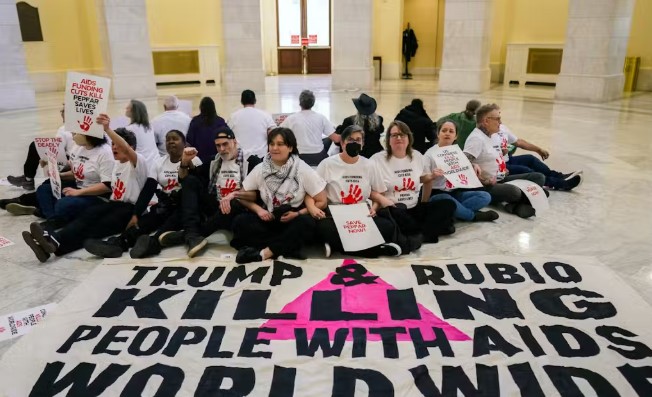
The news recently carried a poignant image: activists staging a mock funeral in Washington D.C., a stark and powerful protest against proposed HIV funding cuts. Organized by the ‘Save HIV Funding’ campaign and coinciding with AIDSWatch, an annual event dedicated to raising awareness, this demonstration at the Renaissance Arlington Capital View Hotel on March 16th wasn’t merely a symbolic gesture. It was a visceral outcry, a somber reminder of a public health crisis that, for many, feels like a ghost from the past, but for our community, remains a very real and present threat. This deep dive will explore why these cuts are so alarming, their potential ramifications, and why the fight for robust HIV funding is far from over – touching on how these issues intersect with our daily lives, from online connections to community resilience.
A Shadow from the Past: Understanding the HIV/AIDS Epidemic
To truly grasp the gravity of the recent protests, we must first cast our minds back to the early days of the HIV/AIDS epidemic. The 1980s and 90s were a period of unimaginable fear, grief, and profound social injustice. As a mysterious illness ravaged communities, particularly gay men, intravenous drug users, and sex workers, it was met not with immediate scientific resolve, but often with widespread ignorance, moralistic judgment, and governmental apathy. The silence from leaders, the slow pace of research funding, and the rampant discrimination faced by those living with HIV painted a dark chapter in modern history.
- The Birth of Activism: It was from this crucible of crisis that fierce activism emerged. Groups like ACT UP (AIDS Coalition to Unleash Power) took to the streets, demanding action, research, and respect. Their audacious tactics, from die-ins to occupying government offices, forced the world to acknowledge the epidemic and the humanity of those affected.
- Scientific Breakthroughs: This relentless advocacy, coupled with dedicated scientific effort, eventually led to monumental breakthroughs. The development of antiretroviral therapies (ARVs) transformed HIV from a death sentence into a manageable chronic condition. Later, Pre-Exposure Prophylaxis (PrEP) offered a revolutionary prevention tool, allowing HIV-negative individuals to significantly reduce their risk of acquiring the virus.
- The Path to ‘End the Epidemic’: These advancements, alongside comprehensive prevention strategies, education, and access to care, put the dream of ‘ending the HIV epidemic’ within reach. Funding became the lifeblood of this progress, fueling research, drug development, public health initiatives, and community support networks.
The mock funeral, therefore, wasn’t just about a specific budget cut; it was a potent echo of a community’s historical struggle, a warning that the gains made could be dangerously undone if vigilance wanes and funding falters.
Where Does HIV Funding Go? The Lifeblood of Progress
When we talk about HIV funding cuts, it’s crucial to understand what exactly is at stake. These aren’t abstract numbers; they represent tangible programs and services that directly impact lives. Federal funding for HIV/AIDS goes into a multifaceted ecosystem designed to prevent transmission, treat the virus, and support those living with it. Key areas include:
- Research and Development: Continued investment in understanding the virus, developing new treatments, a potential vaccine, and more effective prevention strategies. This includes funding for the National Institutes of Health (NIH) and other research bodies.
- Prevention Programs: These are vital for stopping new infections. They encompass:
- Access to PrEP and PEP (Post-Exposure Prophylaxis) – crucial medications that prevent HIV transmission.
- Awareness campaigns and sexual health education.
- Free or low-cost condom distribution.
- Needle exchange programs for people who inject drugs.
- Targeted outreach to disproportionately affected communities.
- Treatment and Care Services: Ensuring that individuals living with HIV have access to life-saving antiretroviral therapy, medical appointments, mental health support, housing assistance, and nutritional programs. The Ryan White HIV/AIDS Program is a cornerstone of this, providing care to low-income, uninsured, and underinsured people living with HIV.
- Surveillance and Data Collection: Tracking infection rates, identifying trends, and understanding where resources are most needed to respond effectively to localized outbreaks.
- Community-Based Organizations: Many grassroots organizations, often led by and serving the LGBTQ+ community, rely on these funds to provide culturally competent services, support groups, and direct assistance.
Each dollar cut from these areas represents a potential setback, a missed opportunity, and a direct threat to the health and well-being of individuals and communities.
The Devastating Ripple Effect of Funding Cuts
The proposed HIV funding cuts threaten to unravel decades of progress and would have severe, far-reaching consequences across multiple dimensions:
1. Health Implications: A Reversal of Progress
- Increased Infection Rates: Reduced funding for prevention programs means fewer people accessing PrEP, less widespread testing, and diminished public awareness campaigns. This inevitably leads to a rise in new HIV infections, directly undermining the goal of ending the epidemic.
- Treatment Disruptions and Worsening Health Outcomes: Cuts to treatment and care services, like the Ryan White Program, could limit access to ARVs, medical appointments, and supportive services. This not only jeopardizes the health of individuals living with HIV – increasing their viral load and weakening their immune systems – but also makes them more likely to transmit the virus.
- Disproportionate Impact: The burden of HIV continues to fall disproportionately on marginalized communities, including Black and Latinx communities, transgender individuals, men who have sex with men (MSM), people who inject drugs, and those in rural areas. Funding cuts will exacerbate existing health inequities, widening the gap and further isolating these vulnerable populations.
- Re-emergence of Preventable Co-morbidities: Without consistent care, individuals living with HIV are at higher risk for opportunistic infections and co-morbidities that ARVs effectively manage. This means more hospitalizations and a greater strain on emergency healthcare systems.
2. Community Implications: Erosion of Trust and Increased Stigma
- Strain on Community Organizations: Many LGBTQ+ centers and HIV service organizations operate on shoestring budgets, heavily reliant on federal grants. Cuts would force closures, reduction in services, and layoffs, leaving critical gaps in community support.
- Increased Stigma and Discrimination: When public health efforts are deprioritized, it can signal to the broader society that the issue is no longer important. This can inadvertently contribute to increased stigma around HIV, making it harder for people to seek testing, treatment, or even discuss their status openly.
- Psychological Impact: For individuals living with HIV, and for those who remember the darkest days of the epidemic, these cuts can trigger anxiety, fear, and a sense of betrayal. It undermines the trust built between public health institutions and the communities they serve.
3. Economic Implications: Short-sighted Savings, Long-term Costs
While funding cuts might appear to save money in the short term, the reality is the opposite. Preventing HIV is significantly cheaper than treating it for a lifetime. A rise in new infections and a decline in health outcomes for those living with HIV will lead to substantially higher long-term healthcare costs, increased disability claims, and reduced workforce productivity. It’s a classic example of penny-wise, pound-foolish policy.
The Unyielding Power of Activism: Then and Now
The mock funeral in D.C. is a potent reminder that activism remains crucial. Just as ACT UP catalyzed change decades ago, today’s advocates, like those behind the ‘Save HIV Funding’ campaign and attendees of AIDSWatch, continue to be the conscience of the nation. They are the voices ensuring that HIV/AIDS does not fade into the background, that the lessons of history are not forgotten, and that political rhetoric does not overshadow scientific evidence and human need.
These protests serve multiple purposes:
- Raising Awareness: They force the media and the public to pay attention, drawing focus to an issue that might otherwise be overlooked in a crowded news cycle.
- Mobilizing the Community: They energize and unify those directly affected, encouraging them to speak out, contact their representatives, and engage in the democratic process.
- Holding Leaders Accountable: They send an unmistakable message to policymakers that their decisions have real-world consequences and that the community is watching and will not be silent.
The continuity of AIDSWatch, bringing together advocates from across the country, demonstrates a sustained commitment that transcends political cycles, rooted in a collective memory of struggle and a shared vision for a healthier future.
HIV/AIDS in the Digital Age: Connecting Through Online Chat and Dating Culture
In the age of online chat and dating apps, conversations around sexual health, including HIV prevention and status, have evolved. These digital spaces, while offering unprecedented connection, also present unique challenges and opportunities for awareness and support.
- Platforms for Education and Awareness: Social media and dating apps can be powerful tools for disseminating information about PrEP, safe sex practices, and the importance of regular testing. Many community organizations use these platforms to reach broader audiences, particularly younger generations who might have less historical memory of the epidemic’s peak.
- Open Conversations and Stigma Reduction: Online profiles and chat allow for open, albeit sometimes anonymized, discussions about sexual health. While this can lead to positive outcomes, it also highlights the need for accurate information to counter misinformation and continued efforts to reduce stigma. Misinformation spreads rapidly online, and the importance of reliable sources cannot be overstated.
- The Role of Dating Apps: Many dating apps have integrated features that allow users to state their HIV status, PrEP use, and last tested date. While controversial for some, for others, these features facilitate informed consent and encourage transparency. However, without adequate funding for public health messaging, these features alone cannot carry the full weight of prevention efforts.
- Community Building and Support: Beyond dating, online forums and chat groups provide crucial spaces for individuals living with HIV to connect, share experiences, and find support, especially in areas where in-person resources might be scarce. These digital communities become lifelines when physical ones are threatened by funding cuts.
The threat of HIV funding cuts, therefore, isn’t just about healthcare; it’s about the very fabric of our interconnected lives, impacting the quality of information available online, the openness of our digital conversations, and the robustness of the support networks we rely on, both virtually and in real life.
What Can We Do? A Call to Action
The fight against HIV funding cuts is a collective responsibility. Here’s how you can make a difference:
- Stay Informed: Understand the specifics of proposed legislation and budget allocations. Follow reputable LGBTQ+ and public health news sources.
- Contact Your Representatives: Call, email, or write to your senators and representatives. Share your concerns and stories. Emphasize why continued HIV funding is critical for your community and for public health.
- Support Advocacy Organizations: Donate time or money to organizations like the ‘Save HIV Funding’ campaign, AIDSWatch, ACT UP, The Trevor Project, or your local LGBTQ+ health centers.
- Talk About It: Engage in conversations with friends, family, and within your online communities. Share accurate information about HIV prevention, treatment, and the importance of funding. Normalizing these discussions helps to reduce stigma.
- Practice Safe Sex & Get Tested: Lead by example. Prioritize your sexual health, get regularly tested for HIV and other STIs, and consider PrEP if it’s right for you. Encourage others to do the same.
- Vote: Support candidates who champion public health, LGBTQ+ rights, and equitable access to healthcare.
Conclusion: Resilience in the Face of Adversity
The protest of a mock funeral for HIV funding isn’t merely a headline; it’s a profound call to remember, to understand, and to act. It reminds us that progress is not guaranteed, and hard-won victories can be rolled back if we are not vigilant. The LGBTQ+ community has always demonstrated incredible resilience and an unwavering commitment to caring for its own, especially in the face of adversity. By continuing to advocate, educate, and support each other, we can ensure that the gains made in the fight against HIV are not lost, and that the vision of an end to the epidemic becomes a reality, not a casualty of budget cuts. Our collective health, our community’s well-being, and our shared future depend on it.