On Sunday, February 8, 2026, the most hyper-masculine event in American culture—the Super Bowl—became the unlikely stage for one of the most prominent displays of LGBTQ+ inclusion in broadcast history. Super Bowl LXI will not just be remembered for the game, but for a halftime show that shattered norms and celebrated queerness on the biggest platform in the world. Headlined by the ultimate ally Lady Gaga, the gender-nonconforming powerhouse Bad Bunny, and the gay icon Ricky Martin, the 15-minute set was a masterclass in performance, energy, and unapologetic visibility.
A Lineup Designed to Break Barriers
The selection of these three artists was a statement in itself. Lady Gaga has been a fierce advocate for the community since the beginning of her career. Ricky Martin paved the way for out Latin artists globally. And Bad Bunny has single-handedly redefined masculinity in mainstream music, constantly challenging gender norms through his fashion and artistry.
Bringing them together wasn’t just a concert; it was a cultural collision. The performance itself was an explosion of color and energy. From Gaga’s vocal prowess on “Born This Way” echoing through the stadium to Ricky Martin bringing the house down with “Livin’ la Vida Loca” surrounded by fluid, diverse backup dancers, every moment felt intentional. Bad Bunny’s segment, where he performed in an outfit that blurred traditional gender lines, was a powerful visual rebuke to the rigid expectations often associated with sports culture.
The Cultural Impact: More Than Just Entertainment
Why does a 15-minute music show matter so much? Because the Super Bowl is watched by over 100 million people, many of whom live in areas where LGBTQ+ visibility is scarce or condemned. For a young queer kid in a small town watching with their family, seeing Ricky Martin, an out gay man and father, command the world’s attention is life-affirming. Seeing Bad Bunny refuse to be put in a box is empowering.
The show was a direct challenge to the “culture wars” currently raging in the US and globally. It forced a conversation about inclusion into living rooms that might otherwise never have it. The stage design, featuring subtle nods to the various pride flags in its lighting scheme, was a visual dog-whistle to the community that said: “We see you, and we are here for you.”
The Digital Afterparty
While the physical stadium was in the US, the real party happened online. As the performance aired, gay chat sites and social media platforms lit up with real-time reactions. It was a collective moment of joy and pride. Memes, gifs of the best dance moves, and emotional posts about what the representation meant flooded the internet.
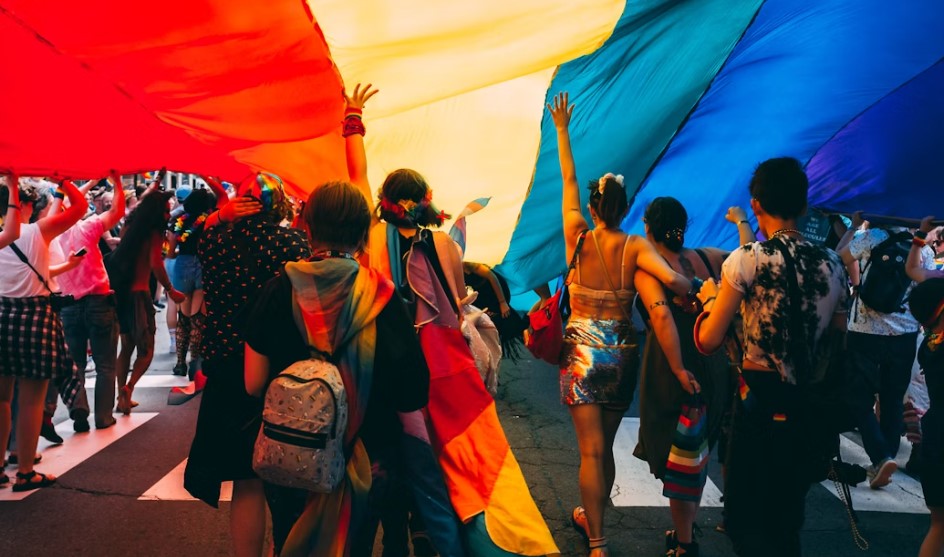
For many in the community, the halftime show served as a massive, virtual pride parade in the middle of February. It was a reminder that our culture is potent, mainstream, and undeniable. In 2026, the Super Bowl didn’t just get entertained; it got educated, and it got a whole lot queerer.